Choosing among heart rate monitors for caregivers means balancing dependable readings with comfort, accessibility, and the ability to share important information quickly. The right device depends on whether you need everyday wellness tracking, exercise data, ECG checks, or emergency support for an older adult.
Our roundup includes wearable heart monitors, chest straps, portable EKG devices, and connected senior-care systems. Use the guide below to match features and monitoring methods to the needs of the person being cared for.
Best 10 Heart Rate Monitors for Caregivers Picks for 2026
Best Strap-Based Sensor

- Transmits real-time heart rate and HRV data
- Works with Garmin devices, equipment, apps, and smartphones
- Replaceable battery lasts up to one year
Best For: Dedicated heart-rate tracking with compatible equipment
Best Rhythm-Checking Device
KardiaMobile 1-Lead EKG Monitor

- Records a single-lead EKG in about 30 seconds
- Detects AFib, tachycardia, bradycardia, and normal rhythm
- Compact design supports smartphone-based sharing
Best For: Portable, occasional heart rhythm checks and EKG sharing
Best Contact-Free Option
SkyPad Remote Wellness Monitor
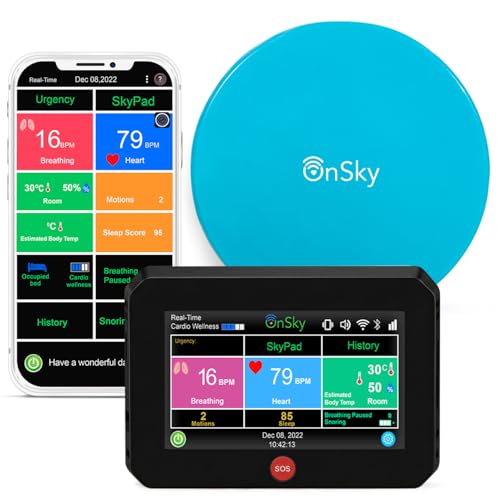
- Contact-free heart and breathing monitoring
- Remote app access and historical data
- SOS alerts with no monthly subscription
Best For: Caregivers monitoring adults or children during rest and sleep
Best for Detailed Heart Rhythm Checks
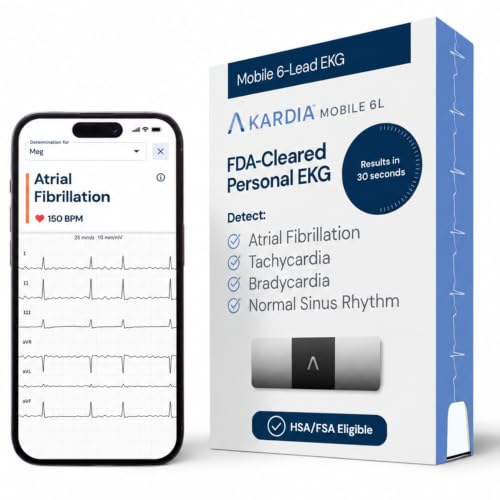
- Six-lead EKG in about 30 seconds
- FDA-cleared rhythm determinations
- Portable and membership-free for app results
Best For: Caregivers supporting occasional heart rhythm checks
Best Wearable for Everyday Tracking
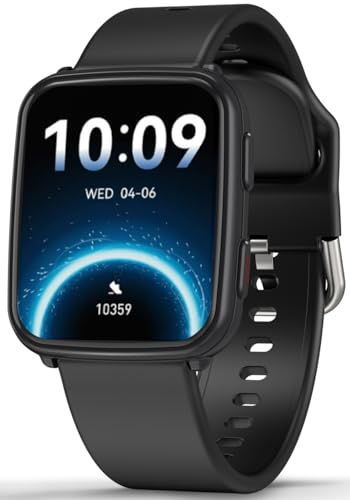
- 24/7 heart rate and wellness tracking
- Sleep, activity and blood oxygen features
- Up to seven days of normal-use battery life
Best For: Active adults using a wearable for general wellness trends
Rechargeable Chest-Strap Pick
Wahoo TRACKR HEART RATE Monitor

- ECG chest sensor for real-time readings
- Rechargeable battery with extended runtime
- Bluetooth and ANT+ connectivity
Best For: Active users wanting a lightweight, rechargeable chest strap
All-Day Wellness Watch
MorePro Health Fitness Tracker

- 24/7 heart rate and activity tracking
- Sleep, notifications, and seven sports modes
- Up to seven days of daily battery life
Best For: Daily wellness tracking with smartwatch-style convenience
Precision Connectivity Pick
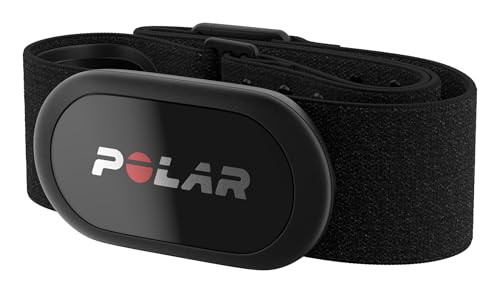
- High-precision chest-strap heart rate sensing
- Bluetooth, ANT+, and 5 kHz connectivity
- Waterproof with internal memory
Best For: Users prioritizing accuracy and broad device compatibility
Best Connected Care Option – COCO BT2-X Emergency Alert Smartwatch
For caregivers seeking heart rate monitors for caregivers, the COCO BT2-X combines wellness tracking with practical safety features. It tracks heart rate, SpO2, sleep, stress, and breathing trends, while its app supports remote alerts, location monitoring via a smartphone, and medication reminders.
Best For: Families supporting seniors who need health awareness, fall detection, SOS calling, and caregiver-app access in one wearable.
Pros:
- Tracks heart rate, blood oxygen, sleep, stress, and breathing trends.
- Caregiver app supports alerts, location monitoring, and remote medication reminders.
- Includes fall detection, one-touch SOS, Bluetooth calling, and a large 1.85-inch display.
Cons:
- GPS geotagging works via a connected smartphone rather than standalone GPS.
- Health readings are intended for daily awareness, not described as medical diagnoses.
The COCO BT2-X is a well-rounded choice when caregivers want heart-rate visibility alongside emergency communication and routine-management tools. Its strongest advantage is the combination of monitoring and remote support.
Best Strap-Based Sensor – Garmin HRM 200
The Garmin HRM 200 is a focused option among heart rate monitors for caregivers who need real-time heart rate and heart rate variability data sent to compatible devices or apps. Its chest strap design prioritizes continuous transmission rather than standalone caregiver alerts.
Best For: Caregivers or active users who already use compatible Garmin equipment, fitness machines, smartphones, or apps and want a dedicated heart-rate sensor.
Pros:
- Transmits real-time heart rate and HRV data to compatible devices and apps.
- Available in two strap sizes for a more suitable fit.
- Offers up to one year of battery life with a user-replaceable battery.
- Machine-washable strap and 3 ATM water rating support routine use.
Cons:
- Does not include caregiver alerts, fall detection, GPS, or a dedicated display.
- Its usefulness depends on compatibility with the recipient device or app.
The HRM 200 makes sense when accurate, live heart-rate transmission is the priority and a compatible receiving device is already available. It is less suitable as an all-in-one senior monitoring system.
Best Cellular Safety Watch – Seculife Medical Alert Smartwatch
The Seculife smartwatch is designed for caregivers who want heart rate monitors for caregivers with cellular communication and emergency functionality. It tracks heart rate, blood pressure, and blood oxygen while adding fall detection, GPS tracking, SOS calling, two-way communication, and medication reminders.
Best For: Seniors who need an independent medical-alert watch with location tracking, emergency contacts, health metrics, and cellular calling.
Pros:
- Monitors heart rate, blood pressure, and blood oxygen.
- Includes automatic fall detection, SOS button, GPS tracking, and two-way calling.
- Large interface supports medication and activity reminders.
- Subscription includes unlimited fall alerts, live tracking, voice minutes, and customer care.
Cons:
- The listed service requires a $25-per-month subscription.
- Battery average life is listed as 12 hours, which may require frequent charging.
- It is water-resistant to IP67 rather than described as fully waterproof.
Seculife is a strong fit when caregiver response and cellular safety matter as much as health tracking. The ongoing subscription and shorter listed battery life should be factored into the total cost and daily routine.
Best Rhythm-Checking Device – KardiaMobile 1-Lead EKG Monitor
KardiaMobile is a pocket-sized choice for caregivers who need heart rate monitors for caregivers focused on heart rhythm checks rather than continuous wearable tracking. With the Kardia app, it records a single-lead EKG in about 30 seconds and identifies results such as normal sinus rhythm, AFib, tachycardia, and bradycardia.
Best For: Caregivers who want a portable, FDA-cleared personal EKG device for occasional rhythm checks and sharing recordings with a doctor.
Pros:
- Captures a single-lead EKG in approximately 30 seconds.
- Reports normal sinus rhythm, AFib, tachycardia, and bradycardia results.
- Compact, under one ounce, and works with most smartphones without Bluetooth or Wi-Fi.
- EKG recordings can be emailed to a doctor or other recipient.
Cons:
- It requires a smartphone or tablet and finger contact with the sensors.
- It is not a continuous heart-rate monitor or emergency alert device.
- Additional rhythm detections and doctor reviews require the optional KardiaCare subscription.
KardiaMobile is best viewed as a quick, shareable rhythm-checking tool rather than a complete caregiver safety system. Its compact design and clear app results make it useful for documenting occasional heart rhythm concerns.
Best Contact-Free Option – SkyPad Remote Wellness Monitor
For caregivers comparing heart rate monitors for caregivers, the OnSky SkyPad is a practical choice when the person being monitored may not want to wear a device. Its sensor pad works without skin contact and can provide remote wellness and sleep information through the mobile app.
Best For: Caregivers monitoring an adult or child at home, especially during rest or sleep.
Pros:
- Contact-free monitoring tracks heart rate, breathing, movement, sleep patterns and more.
- App access lets caregivers review current and historical wellness information remotely.
- Hub includes an SOS button that sends a phone alert without requiring a subscription.
- Includes the sensor pad, touchscreen hub and power adapter.
Cons:
- It is intended for wellness monitoring and is not a medical device.
- Monitoring is designed for use during rest and sleep rather than as a wearable activity tracker.
The SkyPad stands out for unobtrusive, remote oversight. It may be a better fit than a wearable for seniors or children who resist watches or sensors, but caregivers should not use it as a substitute for medical evaluation.
Best for Detailed Heart Rhythm Checks – KardiaMobile 6L EKG
For caregivers who need more detailed heart rhythm information, the KardiaMobile 6L provides a portable six-lead EKG that connects to a smartphone. It can deliver results in about 30 seconds and is designed for occasional checks rather than continuous monitoring.
Best For: Caregivers helping someone record and review heart rhythm readings with a compatible smartphone.
Pros:
- Records a six-lead EKG and provides FDA-cleared rhythm determinations.
- Checks for AFib, bradycardia, tachycardia and normal sinus rhythm in the app.
- Compact 24-gram design is easy to carry and use away from home.
- No membership is required to view the app’s results.
Cons:
- It does not provide continuous heart rate monitoring.
- Requires a compatible smartphone or tablet and app connection.
- It is not tested or recommended for people with pacemakers or ICDs.
The KardiaMobile 6L is the strongest option here for capturing a more detailed electrical snapshot of the heart. It does not detect heart attacks or replace checkups, so concerning symptoms still require medical attention.
Best Wearable for Everyday Tracking – MorePro Fitness Tracker
For caregivers seeking heart rate monitors for caregivers in a wearable format, the MorePro fitness tracker combines all-day heart rate tracking with activity, sleep and blood oxygen features. It also provides phone notifications, making it useful for everyday routines and supervised fitness goals.
Best For: Active adults who can wear and use a smartwatch while caregivers review general wellness trends.
Pros:
- Offers 24/7 heart rate and blood pressure monitoring plus on-demand blood oxygen checks.
- Tracks sleep stages, steps, calories and workouts across 120-plus sport modes.
- Provides call, text and app notifications on the wrist.
- Battery lasts up to seven days with normal use and the tracker has an IP68 waterproof design.
Cons:
- It is for wellness and fitness use, not medical use.
- Requires a compatible Android or iOS smartphone for its connected features.
- Wearable monitoring may be unsuitable for someone who dislikes or cannot manage a wrist device.
The MorePro is a versatile choice for ongoing lifestyle tracking rather than clinical assessment. Its broad fitness and smart features may help caregivers follow routines, but its readings should be treated as general wellness information.
Rechargeable Chest-Strap Pick – Wahoo TRACKR HEART RATE Monitor
For caregivers comparing heart rate monitors for caregivers, the Wahoo TRACKR is a focused chest-strap option for collecting real-time heart rate data during exercise or connected wellness routines. Its ECG chest sensor, rechargeable battery, and Bluetooth and ANT+ support make it practical for users who want continuous readings without a screen-heavy smartwatch.
Best For: Active users and caregivers who prefer a lightweight, rechargeable chest strap that can connect to phones, fitness equipment, and multiple training apps.
Pros:
- ECG chest sensor is designed for precise real-time heart rate data.
- Rechargeable battery offers up to 100 hours of active life in the supplied highlights, with product details listing up to 200 hours.
- Supports Bluetooth, ANT+, and up to three Bluetooth connections at once.
- Slim, soft strap, IPX7 protection, and LED connection and battery indicators.
Cons:
- Chest-strap design may be less convenient than a wrist-worn tracker for all-day monitoring.
- It provides heart rate data but does not include a built-in display or the broader activity features of a fitness watch.
The TRACKR is a strong choice when connection flexibility, comfort, and long rechargeable runtime matter more than on-device notifications or general wellness metrics. Check compatibility with the intended phone, equipment, or training app before buying.
All-Day Wellness Watch – MorePro Health Fitness Tracker
The MorePro Health Fitness Tracker is a wrist-worn option for caregivers seeking heart rate monitors for caregivers with broader daily tracking features. It combines 24/7 heart rate monitoring with activity, sleep, notifications, and on-demand blood oxygen and blood pressure readings for general wellness reference.
Best For: Caregivers or users who want a simple smartwatch-style tracker for daily heart rate trends, activity, sleep, and phone notifications.
Pros:
- 24/7 heart rate monitoring with app-based trend viewing.
- Tracks steps, distance, calories, sleep, and seven sports modes.
- Includes call, text, email, and app-message reminders.
- Offers a 1.47-inch display, 300+ watch faces, IP68 waterproofing, and up to seven days of daily battery life.
Cons:
- Blood pressure and blood oxygen features are for general wellness and fitness reference, not medical use.
- Requires a compatible Android or iOS smartphone for app connectivity and smartphone-based GPS.
- It is not compatible with PCs, iPads, or tablets.
This tracker makes sense for everyday visibility rather than clinical monitoring. Its wrist-based format and notifications may be more convenient for routine caregiver use, while the seven-day battery rating helps reduce frequent charging.
Precision Connectivity Pick – Polar H10 Heart Rate Monitor
For caregivers who prioritize measurement accuracy and broad device compatibility, the Polar H10 is a dedicated chest-strap choice among heart rate monitors for caregivers. It supports Bluetooth, ANT+, and 5 kHz connections, while its waterproof design and internal memory add flexibility for workouts and connected equipment.
Best For: Users who want a widely recognized, highly accurate chest-strap sensor that can connect with compatible phones, computers, tablets, and exercise equipment.
Pros:
- Designed for high-precision heart rate measurement.
- Supports Bluetooth, ANT+, and 5 kHz connectivity, including simultaneous Bluetooth and ANT+ use.
- Waterproof design and internal memory for multiple hours of data.
- Comfort-focused Pro chest strap includes improved electrodes, a buckle, and silicone dots.
Cons:
- Uses a replaceable CR2025 button-cell battery rather than a rechargeable battery.
- As a chest strap, it does not provide a wrist display or built-in phone notifications.
- The listed M-XXL sizing may not suit every user without checking fit first.
The Polar H10 is a compelling fit when accuracy, waterproofing, and connection options are the main priorities. Its replaceable battery supports a listed average life of 400 hours, but buyers should confirm the strap size and intended device compatibility.
How We Picked the Best Heart Rate Monitors for Caregivers
We evaluated these devices by considering monitoring method, intended use, ease of operation, connectivity, comfort, and caregiver visibility. The selection covers several categories rather than treating every heart monitor as interchangeable: daily activity trackers, chest-strap sensors, portable ECG devices, and medical-alert systems.
We also looked for practical features such as Bluetooth or ANT+ compatibility, app access, fall detection, SOS communication, GPS, battery expectations, water resistance, and additional measurements. Features such as blood pressure, blood oxygen, or ECG readings can be useful, but they should not be treated as a substitute for clinical diagnosis or professional medical advice.
Quick Comparison
- Best for exercise accuracy: Garmin HRM 200, Wahoo TRACKR HEART RATE, or Polar H10 chest straps.
- Best for portable ECG checks: KardiaMobile 1-Lead or KardiaMobile 6L.
- Best for senior emergency support: COCO and Seculife smartwatch-style alert systems.
- Best for general activity tracking: MorePro fitness trackers.
- Best for passive home monitoring: OnSky SkyPad.
Key Buying Factors for Heart Rate Monitors for Caregivers
Monitoring Method and Intended Use
Chest straps generally suit exercise and continuous workout data, while wrist trackers are more convenient for everyday wear. ECG devices record short heart-rhythm checks rather than continuously monitoring heart rate. Contact-free systems are better suited to passive observation at home, but their setup and coverage requirements deserve close attention.
Caregiver Access and Alerts
Consider how a caregiver receives information: a phone app, shared account, audible alert, cellular connection, or emergency call feature. For a senior living alone, fall detection, SOS calling, GPS, and two-way communication may matter more than advanced fitness metrics. Confirm whether cellular service, subscriptions, or a nearby smartphone are required.
Comfort, Reliability, and Usability
A device is only useful if the wearer will use it consistently. Check strap fit, watch weight, charging routine, button size, display readability, and water resistance. Also verify whether the monitor is intended for medical decision-making; consumer devices can support observation but do not replace prescribed monitoring.
Who Should Buy Which Heart Rate Monitors for Caregivers?
Choose a chest strap for an active user who prioritizes responsive workout readings and already carries a compatible phone or fitness device. Select a portable ECG monitor when a clinician has recommended rhythm checks or the user needs convenient recordings to discuss with a healthcare professional.
A senior smartwatch with emergency features is the stronger fit when fall detection, SOS calling, location sharing, or medication reminders are central concerns. Pick a fitness tracker for simple daily trends such as heart rate, steps, sleep, and activity. For a household seeking passive observation without requiring constant wrist wear, consider a contact-free home monitor, provided its coverage and alert workflow fit the living environment.