Tracking your heart rate is more useful when the numbers are quick to see and simple to understand. This roundup compares 10 heart rate monitors with easy-to-read displays, including large-font watches, fingertip pulse oximeters, fitness trackers, and a chest strap for training.
Whether you want no-phone simplicity, continuous activity data, or a fast spot check of pulse and oxygen saturation, the right display and monitoring format can make everyday use more convenient.
Best 10 Heart Rate Monitors with Easy-To-Read Displays Picks for 2026
Best Everyday Fitness Tracker
MorePro Health Fitness Tracker

- 1.47-inch display with 300+ watch faces
- 24/7 heart rate and activity tracking
- Up to 7 days of typical use
Best For: Everyday wellness tracking and connected fitness features
Best Senior-Friendly Option
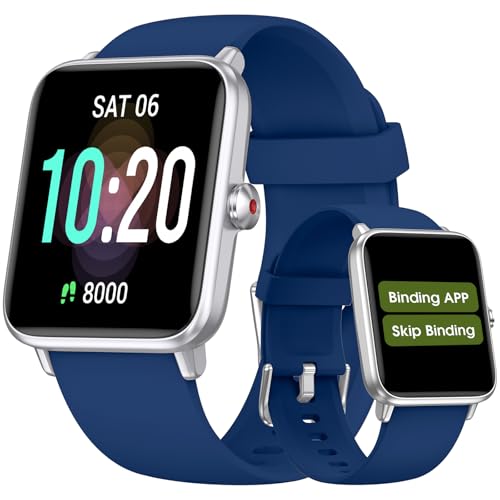
- Large 1.83-inch display with larger fonts
- Core tracking works without a smartphone
- Up to 7 days of battery life
Best For: Seniors who want simple, readable on-watch tracking
Best Portable Pulse Reading

- Bright OLED display with large digits
- Shows pulse, SpO2, and signal strength
- Includes batteries and carrying lanyard
Best For: Quick pulse and blood oxygen checks at home or outdoors
Best No-Phone Fitness Watch
Pedometer Watch Senior Friendly

- Large LCD color touchscreen
- Core tracking works without an app
- Up to 7 days with magnetic charging
Best For: Beginners and seniors wanting simple daily fitness tracking
Best Large-Display Pulse Oximeter

- Oversized OLED numbers are easy to read
- Tracks SpO2, pulse rate, and perfusion index
- Includes batteries and a lanyard
Best For: Sports, travel, hiking, and aviation use
Best Senior-Friendly Watch
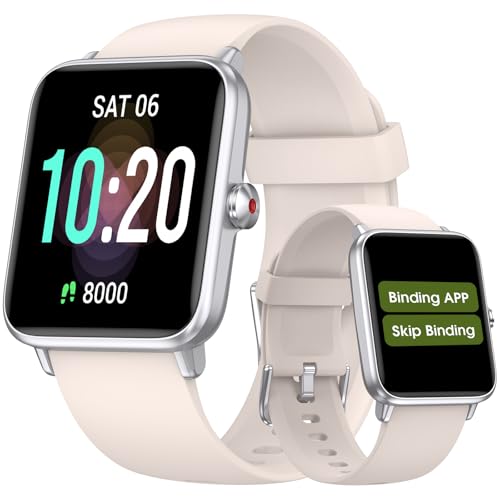
- Large LCD screen with touch controls
- Tracks heart rate and everyday activity
- Works without a smartphone or app
Best For: Seniors and beginners wanting simple wellness tracking
Best Simple Fingertip Monitor
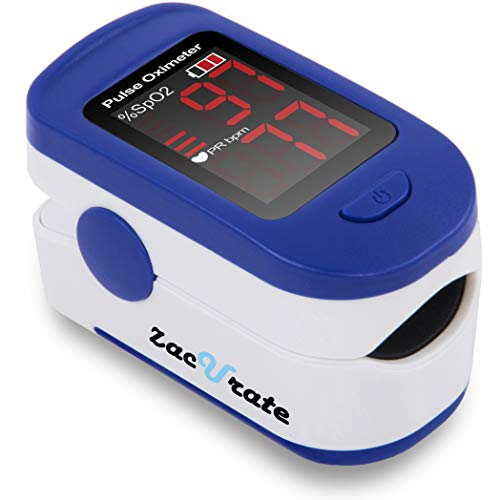
- Large LED display faces the user
- Reads SpO2, pulse rate, and pulse strength
- Includes batteries and a 12-month warranty
Best For: Outdoor sports and quick fingertip readings
Best Chest-Strap Pick

- LED confirms connection and heart-rate status
- ANT+ and Bluetooth compatibility
- Up to 800 hours from a replaceable battery
Best For: Training with a phone, sports watch, or bike computer
Best AMOLED Value

- 1.10-inch HD AMOLED touchscreen
- 24/7 heart-rate and sleep tracking
- Up to seven days of battery life
Best For: Everyday wellness tracking and clear notifications
Best for Workout Variety
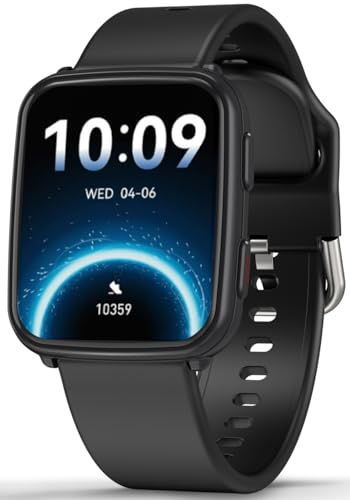
- 24/7 heart-rate monitoring and oxygen checks
- 120+ sport modes for varied workouts
- Up to seven days of normal-use battery life
Best For: Active users wanting broad fitness and lifestyle tracking
Best Everyday Fitness Tracker – MorePro Health Fitness Tracker
For shoppers seeking heart rate monitors with easy-to-read displays, this MorePro tracker combines a slim 1.47-inch touchscreen with all-day wellness and activity features. It offers 24/7 heart rate tracking, on-demand blood oxygen readings, sleep tracking, seven sports modes, and up to seven days of typical use.
Best For: Users who want a lightweight daily fitness tracker with notifications, customizable watch faces, and broad wellness features.
Pros:
- 1.47-inch display with more than 300 watch faces and custom dial options
- Tracks heart rate, steps, distance, calories, sleep, and blood oxygen
- Includes seven sports modes, IP68 water resistance, and up to seven days of use
- Supports call, text, email, and app notifications when connected
Cons:
- Requires a compatible Android or iOS smartphone for app-based data and features
- GPS works through a smartphone rather than independently
- Health readings are intended for general wellness and fitness reference, not medical use
This is a versatile choice if you want readable on-wrist information plus extensive app-connected tracking. Its slim design and customizable faces also make it suitable for everyday wear beyond workouts.
Best Senior-Friendly Option – Smart Watch Senior Friendly
This smartwatch stands out among heart rate monitors with easy-to-read displays thanks to its large 1.83-inch screen and larger fonts. It can operate without a smartphone or app for core functions, showing heart rate, stress, steps, calories, distance, and blood oxygen readings directly on the watch.
Best For: Seniors and other users who prioritize large text, simple operation, and on-watch health information without required phone setup.
Pros:
- Large 1.83-inch touchscreen with clearer, larger fonts
- Core heart rate, stress, activity, sleep, and blood oxygen features work without an app
- IP68 waterproof design and up to seven days of battery life after a two-hour charge
- Optional app connection adds calling, notifications, music controls, and weather
Cons:
- No built-in GPS
- Advanced connected features require Bluetooth pairing with a smartphone
- Its 1.5-meter water-resistance depth may limit some water activities
With its unusually large text and no-phone-required basics, this is a practical pick for straightforward monitoring. Choose it if readability and ease of setup matter more than advanced GPS features.
Best Portable Pulse Reading – Fingertip Pulse Oximeter
For a focused alternative to wearable heart rate monitors with easy-to-read displays, this fingertip pulse oximeter uses a bright OLED screen with large digits. It displays pulse rate, SpO2, and signal strength, while a waveform bar helps confirm pulse strength during a quick, one-button reading.
Best For: Home users, exercisers, and outdoor enthusiasts who want a compact, on-demand pulse and blood oxygen reader.
Pros:
- Bright OLED display shows pulse rate, SpO2, and signal strength in large digits
- One-button operation provides quick readings
- Compact design includes a lanyard for carrying
- Includes two AAA batteries and automatic power-off
Cons:
- Provides spot checks rather than continuous heart rate monitoring
- Does not offer smartwatch activity, sleep, or notification features
- Specified SpO2 measuring range is 70% to 100%
This device is best when you want immediate readings without wearing a watch or using an app. Its large OLED digits and simple controls make it especially practical for quick checks at home or outdoors.
Best No-Phone Fitness Watch – Pedometer Watch Senior Friendly
This senior-friendly pedometer watch is a simple option among heart rate monitors with easy-to-read displays. Its large LCD color touchscreen shows settings and activity information directly on the watch, while the device tracks heart rate, steps, calories, distance, activity time, sleep, and manually checked blood oxygen.
Best For: Users who want a basic fitness watch with a readable color display, no required app, and simple charging.
Pros:
- Large LCD color display with touchscreen controls
- Works without an app or smartphone connection for core tracking
- Monitors heart rate, steps, calories, distance, sleep, and blood oxygen
- Magnetic charging takes about 1.5 hours and lasts up to seven days
Cons:
- Advanced connected features and smartphone compatibility are still available only through pairing
- Blood oxygen measurement is manual rather than described as continuous
- The supplied notes do not specify the exact screen dimensions
This watch suits buyers who want straightforward tracking without managing a phone app. Its readable color display, simple controls, and long battery claim make it a convenient everyday option for seniors and beginners.
Best Large-Display Pulse Oximeter – Pulse Oximeter Fingertip
For shoppers comparing heart rate monitors with easy-to-read displays, this fingertip pulse oximeter offers oversized numbers on a bright OLED screen. It measures pulse rate, SpO2, and perfusion index in about 5–8 seconds, with one-button operation and a signal-strength indicator.
Best For: Athletes, travelers, hikers, skiers, and pilots who want quick pulse and oxygen readings without carrying a larger device.
Pros:
- Large OLED display with oversized, glance-friendly numbers.
- Measures SpO2, pulse rate, and perfusion index.
- Compact design includes a lanyard and two AAA batteries.
- Simple one-button operation with automatic shutoff.
Cons:
- Intended for sports and aviation use, not medical purposes.
- Designed for fingertip readings rather than continuous monitoring.
Its bright display and fast readings make it a practical choice when readability and portability matter most. Just keep its stated sports-and-aviation-only use in mind.
Best Senior-Friendly Watch – No-App Pedometer Watch
This pedometer watch is a useful option for shoppers seeking heart rate monitors with easy-to-read displays without a smartphone setup. Its bright, large LCD screen shows activity and wellness information, while the watch automatically tracks heart rate and also measures steps, distance, calories, active minutes, and sleep data.
Best For: Seniors, parents, and beginners who want a simple touchscreen fitness watch that works without a phone or app.
Pros:
- Bright, large LCD screen with intuitive touch controls.
- No smartphone or app connection is required.
- Tracks heart rate, steps, distance, calories, active minutes, and sleep.
- Offers up to seven days of use after about 1.5 hours of magnetic charging.
Cons:
- Does not include GPS functionality.
- Blood oxygen readings are checked manually rather than continuously.
- Touchscreen operation may be less suitable for shoppers seeking physical buttons.
With a large LCD and phone-free operation, this watch emphasizes accessibility over advanced connected features. Its heart-rate tracking and broad activity metrics make it a convenient everyday wellness companion.
Best Simple Fingertip Monitor – Zacurate 500BL Pulse Oximeter
The Zacurate 500BL is a straightforward choice among heart rate monitors with easy-to-read displays. It shows pulse rate, pulse strength, and SpO2 on a large digital LED display that faces the user, with readings available in about 10 seconds after a finger is positioned and kept still.
Best For: Sports and health enthusiasts, including mountain climbers, skiers, and bikers, who want a compact fingertip monitor with included batteries.
Pros:
- Large user-facing LED display supports convenient reading.
- Measures SpO2, pulse rate, and pulse strength.
- Accommodates a wide range of finger sizes with its SMART Spring System.
- Includes two AAA batteries and 12 months of warranty support.
Cons:
- Movement can affect accuracy, so users must keep their hand still.
- Recommended for ages 12 and above.
- Provides fingertip spot readings rather than wearable, continuous tracking.
This model keeps operation simple: insert a finger, press the button, and wait for the display to stabilize. Its user-facing LED screen and compact design are especially useful for quick checks during outdoor activities.
Best Chest-Strap Pick – HS500 Heart Rate Monitor
For shoppers seeking heart rate monitors with easy-to-read displays but who already use a phone, watch, or bike computer, the GEOID HS500 offers a simple chest-strap alternative. Its flashing LED confirms connection and heart-rate status, while ANT+ and Bluetooth support broad device compatibility.
Best For: Cyclists, runners, and gym users who want continuous heart-rate data on a compatible device rather than a built-in watch screen.
Pros:
- LED indicator provides a quick connection and status check.
- Supports both ANT+ and Bluetooth for phones, sports watches, bike computers, and fitness equipment.
- Up to 800 hours of battery life with a replaceable CR2032 battery.
- IP67 water resistance and movement-focused algorithms suit many workouts.
Cons:
- It has no standalone display; readings appear on a connected device.
- Swimming is not recommended.
- Bluetooth pairing should be completed through the fitness app rather than directly through phone settings.
The HS500 is a practical choice when display readability depends on an existing connected screen. Its long battery life, adjustable strap, and dual connectivity make it especially useful for structured training.
Best AMOLED Value – 1.10-Inch Fitness Tracker
This fitness tracker is a strong option for shoppers comparing heart rate monitors with easy-to-read displays. Its 1.10-inch HD AMOLED touchscreen is designed to make calls, messages, watch information, and activity data clear at a glance, while 24/7 heart-rate tracking adds all-day monitoring.
Best For: Everyday users who want a bright, compact display with heart-rate, sleep, activity, and notification features.
Pros:
- 1.10-inch AMOLED touchscreen with customizable watch faces.
- Tracks heart rate continuously along with steps, calories, distance, and exercise time.
- Offers 25 sports modes and connected GPS for workout route recording.
- IP68 water resistance and up to seven days of battery life.
Cons:
- Health readings are for reference and do not replace medical advice.
- Connected GPS relies on a paired phone.
- The listing provides no warranty.
With its AMOLED screen and broad smartwatch features, this tracker balances readability and daily convenience. It is better suited to general wellness and activity tracking than to medical monitoring.
Best for Workout Variety – MorePro Fitness Tracker
The MorePro combines heart-rate monitoring with a smartwatch-style interface for users who want readable information during daily routines and workouts. It supports 24/7 heart-rate and blood-pressure monitoring, on-demand blood-oxygen checks, sleep tracking, and more than 120 sport modes.
Best For: Active users who want broad workout tracking, health-trend features, and customizable watch faces in one wearable.
Pros:
- Provides 24/7 heart-rate monitoring plus on-demand blood-oxygen checks.
- Supports more than 120 sport modes with steps, distance, calories, and training-time tracking.
- Includes sleep tracking, cycle tracking, notifications, and practical daily tools.
- IP68 water resistance, over 200 watch faces, and up to seven days of normal-use battery life.
Cons:
- The supplied details do not specify the display size or resolution.
- Health features are not intended for medical use.
- Compatibility requires Android 7.0 or later or iOS 13.0 or later; it is not compatible with PCs or tablets.
The MorePro stands out for activity breadth and lifestyle features rather than a specialized training display. Check the screen specifications if maximum readability is your primary concern, but its extensive modes and customizable faces add flexibility.
How We Picked the Best Heart Rate Monitors with Easy-To-Read Displays
We focused on products that make readings accessible at a glance, prioritizing display size, contrast, font clarity, and straightforward controls. The selection covers several use cases: continuous wrist-based tracking, quick fingertip measurements, senior-friendly step counters, and chest-strap monitoring for exercise. We also considered connectivity, battery expectations, water resistance, included accessories, and whether a phone or app is required.
Because consumer monitors are not substitutes for medical equipment, accuracy claims should be interpreted carefully. Anyone monitoring a diagnosed condition should follow a clinician’s advice and use medically appropriate equipment when instructed.
Quick Comparison
- Best for continuous everyday tracking: Fitness trackers and smartwatches with wrist-based heart rate monitoring.
- Best for simple spot checks: Fingertip pulse oximeters with OLED or large digital screens.
- Best for older adults: Senior-friendly watches with large fonts and no required app or phone.
- Best for structured workouts: The HS500 chest strap, especially for users who need ANT+ or Bluetooth connectivity.
- Best for broader wellness data: Trackers that combine heart rate with sleep, steps, calories, or blood oxygen estimates.
Key Buying Factors for Heart Rate Monitors with Easy-To-Read Displays
Display Clarity and Reading Format
Look for large digits, high contrast, bright OLED or AMOLED panels, and a viewing angle that works indoors and outdoors. A fingertip oximeter may show results in seconds, while a watch can provide more information but may require scrolling or tapping.
Monitoring Style
Choose a wrist tracker for trends and activity summaries, a pulse oximeter for quick spot readings, or a chest strap for workout-focused responsiveness. These formats measure differently and are not interchangeable for every purpose.
Phone, App, and Connectivity Needs
No-phone watches are useful for simple operation and users who do not want account setup. App-connected trackers are better if you want stored history, notifications, or detailed sleep and activity reports. ANT+ and Bluetooth matter when pairing a chest strap with gym equipment, a bike computer, or a training app.
Comfort, Battery, and Durability
Check strap fit, sensor placement, charging frequency, water resistance, and included batteries. A comfortable device is more likely to be worn consistently, while a pulse oximeter should fit securely over the fingertip without excessive pressure.
Who Should Buy Which Heart Rate Monitors with Easy-To-Read Displays?
Choose a large-font, no-app watch if simplicity is the priority. Select a fingertip pulse oximeter for occasional pulse and SpO2 checks. Pick a fitness tracker if you want heart-rate trends alongside steps and sleep. For serious training, a chest strap is generally the most suitable format for pairing with compatible fitness equipment and apps. If you need readings for medical decisions, ask a healthcare professional which device type and accuracy standard are appropriate.