Finding a heart rate monitor that is accurate enough for everyday use without a confusing app or complicated setup can make health and fitness tracking much easier.
These 10 picks include simple watches, fingertip pulse oximeters, fitness trackers, and chest straps for users who value clear readings, physical controls, and straightforward operation.
Best 10 Heart Rate Monitors with Simple Controls Picks for 2026
Simple Smartwatch Pick
No-Phone Fitness Tracker Watch

- Basic tracking works without an app or phone
- Automatic heart-rate and sleep monitoring
- Up to 5–7 days of battery life with IP68 resistance
Best For: Users wanting simple, phone-free fitness tracking
One-Button Reading Pick

- One-button operation for quick readings
- Large OLED display shows pulse and SpO2
- Includes batteries and carrying lanyard
Best For: Portable spot checks at home or outdoors
Senior-Friendly Choice
Simple Pedometer and Heart Rate Watch

- Setup and basic use do not require an app or phone
- Tracks heart rate, SpO2, steps, sleep, and workouts
- Stores up to seven days of local data
Best For: Users who prioritize simple, on-watch operation
Feature-Rich Option
MorePro 24/7 Health Fitness Tracker

- 24/7 heart-rate monitoring with on-demand SpO2 readings
- Seven sports modes and detailed activity and sleep tracking
- 300+ watch faces plus notifications and wellness tools
Best For: Connected users wanting broad daily wellness features
Simple Watch Tracking
Medline Digital Heart Rate and Pedometer Watch

- Continuous pulse sensing
- 50 days of stored step history
- Stopwatch, alarms, and countdown timer
Best For: Basic heart rate and activity tracking with everyday watch functions
App-Free Fitness Tracking
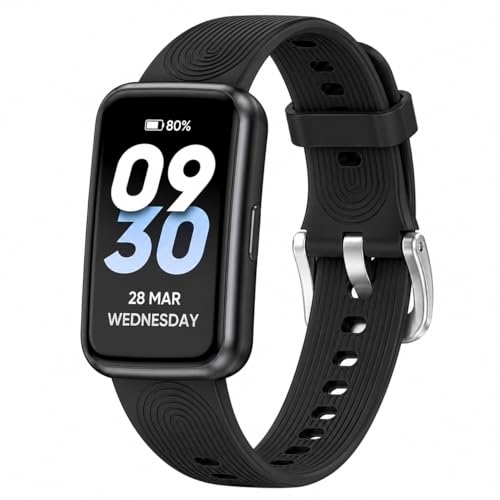
- No app or phone required for basic use
- Continuous heart rate and stress tracking
- 30-meter water resistance
Best For: Lightweight everyday tracking with simple, phone-free operation
Chest-Strap Accuracy
POWR LABS Bluetooth ANT+ Heart Rate Monitor
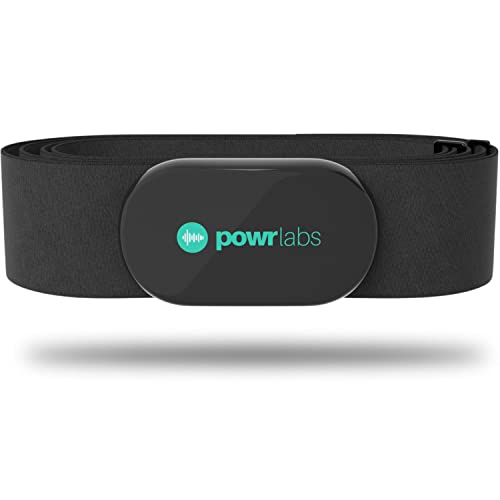
- Bluetooth and ANT+ connectivity
- 400+ hours of replaceable-battery life
- IPX67 sweatproof and water resistant
Best For: Connected training with cycling computers, watches, and fitness apps
Best No-Phone Pick
Senior-Friendly Pedometer Watch

- No app or phone required
- Large touchscreen display
- Heart rate and activity tracking
Best For: Seniors and users wanting simple, standalone fitness tracking
Best Smart-Band Features
24/7 Health Monitoring Tracker

- Automatic heart rate and SpO2 tracking
- 25 sports modes
- Notifications and smart controls
Best For: Active users wanting connected health and workout features
Best Simple Pick
Digital Watch Heart Rate Monitor

- Dedicated chest-strap sensor
- Heart rate zone alerts
- Up to 365 days of stated battery life
Best For: Exercise-focused users wanting phone-free workout monitoring
Simple Smartwatch Pick – No-Phone Fitness Tracker Watch
For shoppers looking for heart rate monitors with simple controls, this tracker watch offers a familiar watch-style experience without requiring an app or phone for basic use. It tracks heart rate automatically, along with sleep, steps, distance, calories, and activity time.
Best For: Users who want a wearable heart-rate and activity tracker with minimal setup and up to 5–7 days of battery life.
Pros:
- No app or smartphone connection is required for its basic watch and tracking functions.
- Tracks heart rate, sleep, steps, calories, distance, and activity across nine sport modes.
- IP68 water resistance, plus alarm, stopwatch, breathing guide, and sedentary alerts.
Cons:
- Some features, including manual heart-rate mode and step goals, use the app.
- It cannot make calls or send texts.
- GPS functionality is provided through a smartphone.
This is a practical choice when straightforward controls and phone-free basics matter more than advanced smartwatch features. Its app remains useful for optional settings, notifications, and longer-term tracking.
One-Button Reading Pick – Fingertip Pulse Oximeter
This fingertip pulse oximeter is a compact option for shoppers comparing heart rate monitors with simple controls. Insert a finger and press the button to view pulse rate, SpO2, signal strength, and a waveform bar on its bright OLED display.
Best For: Adults who want quick, portable pulse and oxygen readings at home, during workouts, or on outdoor trips.
Pros:
- One-button operation provides a straightforward reading process.
- Large digits and a bright screen are designed for easy visibility.
- Includes two AAA batteries, a lanyard, and an instruction manual.
Cons:
- It measures pulse and SpO2 rather than providing smartwatch-style activity or sleep tracking.
- Its listed SpO2 measuring range is 70%–100%.
- Battery life is listed at approximately 30 hours.
With no app or complicated setup mentioned, this is the simplest option here for occasional spot checks. The compact design also makes it convenient to carry in a pocket or bag.
Senior-Friendly Choice – Simple Pedometer and Heart Rate Watch
Designed for straightforward daily use, this watch suits shoppers seeking heart rate monitors with simple controls and no required app or phone for basic tracking. Setup is completed on the watch, which can display heart rate and SpO2 while also counting steps and recording sleep and workouts.
Best For: Seniors and other users who want an easy-to-use activity watch with local data storage.
Pros:
- Basic setup and operation can be handled directly on the watch.
- Tracks heart rate, SpO2, steps, sleep, distance, calories, and workout duration.
- Stores up to seven days of activity data and offers up to seven days of battery life.
Cons:
- The compatible app is needed to sync data for longer-term history.
- The supplied details do not specify the number of sport modes.
- Phone compatibility is listed, but specific operating-system requirements are not provided.
This model emphasizes accessibility over a feature-heavy setup. Its on-watch controls and seven-day local storage make it a strong fit for users who prefer not to depend on a phone every day.
Feature-Rich Option – MorePro 24/7 Health Fitness Tracker
The MorePro tracker combines a slim touchscreen with broad wellness features for shoppers who want heart rate monitors with simple controls but still prefer a connected smartwatch experience. It provides 24/7 heart-rate monitoring, on-demand blood oxygen readings, activity tracking, sleep data, and app-based health trends.
Best For: Users who want an attractive daily tracker with multiple wellness tools, notifications, and workout modes.
Pros:
- Includes 24/7 heart-rate monitoring, blood pressure features, and on-demand blood oxygen measurement for general wellness reference.
- Tracks sleep, steps, distance, calories, and seven sports modes.
- Offers 300+ watch faces, smart notifications, women’s health features, and up to seven days of use.
Cons:
- Many health trends and customization features are accessed through the app.
- It requires Android 7.0 or iOS 13.0 and above with Bluetooth 5.3 or above.
- It is not compatible with PCs, iPads, or tablets, and its health features are not medical devices.
This is the most feature-rich option in the group, though it is less independent than the no-phone models. Choose it when touchscreen convenience, notifications, and broader wellness tracking are worth using a compatible smartphone.
Simple Watch Tracking – Medline Digital Heart Rate and Pedometer Watch
Medline Digital Heart Rate and Pedometer Watch, Water-Resistant Version, 1 Each
Check Price On AmazonThe Medline Digital Heart Rate and Pedometer Watch is a straightforward option for shoppers seeking heart rate monitors with simple controls. It combines pulse sensing with step, calorie, timekeeping, stopwatch, alarm, countdown, and backlight functions in a water-resistant watch format.
Best For: Users who want basic heart rate and activity tracking without a feature-heavy setup.
Pros:
- Pulse sensors support continuous heart rate monitoring.
- Pedometer counts steps and calories and stores up to 50 days of step history.
- Includes a backlight, two custom alarms or hourly chimes, stopwatch, and countdown timer.
- Offers 12-hour or 24-hour time display options.
Cons:
- The supplied notes do not mention smartphone connectivity or app support.
- Water resistance is listed, but a specific rating is not provided.
This watch favors practical, familiar functions over connected features. It is a good fit if you want heart rate and step information alongside everyday watch tools in one simple device.
App-Free Fitness Tracking – Slim Design Fitness Tracker
For shoppers seeking heart rate monitors with simple controls, this slim fitness tracker offers a phone-free starting point. It tracks heart rate and stress continuously, includes sleep and blood oxygen monitoring, and provides a 1.47-inch display with multiple fitness features.
Best For: People who want a lightweight tracker that can be used without an app or smartphone connection for its basic functions.
Pros:
- Does not require an app or smartphone connection for basic use.
- Continuously tracks heart rate and stress levels.
- Includes a 30-meter water-resistance rating.
- Offers step, distance, calorie, sleep, blood oxygen, and workout tracking features.
Cons:
- Only 10 sports modes are preloaded; additional modes require adding them through the app.
- The supplied notes do not specify battery runtime.
Its lightweight design and app-free positioning make it approachable for everyday monitoring. However, users who want the full selection of 100 sports modes will still need to use the app for setup.
Chest-Strap Accuracy – POWR LABS Bluetooth ANT+ Heart Rate Monitor
The POWR LABS chest strap takes a different approach to heart rate monitors with simple controls: wear the strap, pair it with a compatible device, and train. Dual Bluetooth and ANT+ connectivity supports cycling computers, smartwatches, Garmin, Wahoo, Polar, Peloton, and more than 400 fitness apps.
Best For: Athletes who want a dedicated chest-strap sensor with broad device compatibility and long battery life.
Pros:
- Dual Bluetooth and ANT+ connectivity works with a wide range of devices and apps.
- Claims clinical ±1 BPM accuracy at 50% less than comparable big-brand models.
- Provides more than 400 hours of battery life with a replaceable battery included.
- Soft, seamless fabric strap adjusts across a broad range and is IPX67 sweatproof and water resistant.
Cons:
- It requires a compatible paired device or app to display readings.
- The strap must be worn before pairing.
- As a chest strap, it does not provide an integrated watch display.
This monitor is best suited to structured workouts where dependable wireless data matters more than on-device controls. Its chest-based design and dual connectivity make it a practical choice for users already training with compatible equipment.
Best No-Phone Pick – Senior-Friendly Pedometer Watch
For shoppers seeking heart rate monitors with simple controls, this watch stands out because it does not require an app or smartphone connection. Its large color display and touchscreen provide direct access to heart rate, activity, sleep, and blood oxygen features.
Best For: Seniors and users who want a straightforward fitness watch without smartphone setup.
Pros:
- Works without an app or phone connection.
- Large 41 mm color display with touchscreen controls.
- Tracks real-time heart rate, steps, calories, distance, sleep, and manually checked blood oxygen.
- IP68 waterproof rating and magnetic charging.
Cons:
- Some features, including blood oxygen checks, are manual rather than continuous.
- The product information lists differing battery-life figures, so actual runtime may vary.
- It does not provide built-in GPS.
This is a practical choice when ease of use matters more than advanced connected features. The no-phone design, readable display, and direct health monitoring make it especially suitable for uncomplicated everyday tracking.
Best Smart-Band Features – 24/7 Health Monitoring Tracker
This smart band is a good fit for shoppers comparing heart rate monitors with simple controls but still wanting connected conveniences. Its 1.47-inch OLED touchscreen provides access to automatic health monitoring, workout modes, and daily smart features.
Best For: Active users who want automatic health tracking, multiple sports modes, and smartphone notifications.
Pros:
- Provides all-day heart rate, sleep-stage, and blood oxygen monitoring.
- Offers 25 built-in sports modes plus automatic step, distance, and calorie tracking.
- Includes phone notifications, music control, weather, phone finding, and remote camera control.
- IP68 waterproof design and stated 7-day continuous-use or 10–14-day regular-use battery claims.
Cons:
- Requires Bluetooth pairing with an iOS or Android phone for connected features.
- No GPS functionality is listed.
- The product description includes different battery-life estimates, so runtime may depend on use.
Although it is more feature-rich than a basic monitor, the touchscreen interface keeps everyday controls accessible. Choose it if you want simple wrist operation alongside broader phone-connected fitness features.
Best Simple Pick – Digital Watch Heart Rate Monitor
For exercise-focused shoppers looking for heart rate monitors with simple controls, this chest-strap system combines a dedicated sensor with an easy-to-read digital watch. It shows workout heart rate and calorie information without depending on a phone or smartwatch.
Best For: Runners, cyclists, and fitness users who prioritize workout heart-rate readings and long battery life.
Pros:
- Chest strap provides heart rate readings during running, cycling, treadmill workouts, and other exercise.
- Watch displays real-time heart rate and calorie consumption.
- Customizable heart-rate safety zone with an audible alert when readings exceed the set range.
- 5ATM water resistance and up to 365 days of stated battery life for both watch and strap.
Cons:
- Requires wearing a separate chest strap rather than monitoring from the wrist.
- The initial startup requires pressing and holding all four side buttons simultaneously.
- Battery replacement requires basic tools, including a small Phillips screwdriver for the watch.
This is the most workout-specific option in the group. Its physical buttons, dedicated chest sensor, safety alerts, and replaceable batteries suit users who want focused training feedback instead of app-based analysis.
How We Picked the Best Heart Rate Monitors with Simple Controls
We focused on usability first: readable displays, uncomplicated controls, quick access to heart rate data, and setup requirements that do not overwhelm new or less tech-savvy users. The selection includes phone-free watches, fingertip monitors, app-connected fitness bands, and chest straps so you can match the device to your routine.
We also considered practical features such as step counting, blood oxygen readings, sleep tracking, waterproofing, battery expectations, stopwatch functions, and compatibility with exercise equipment or fitness platforms. A simple interface is valuable, but it should not come at the expense of the measurements and wearing style you actually need.
Quick Comparison
| Device type | Best for | Notable advantage |
|---|---|---|
| Phone-free fitness watch | Everyday activity tracking | Simple operation without an app |
| Fingertip pulse oximeter | Spot checks at home | Fast readings in a compact design |
| Senior-friendly pedometer watch | Steps and basic monitoring | Large, straightforward display |
| Fitness tracker band | Daily health trends | Multiple metrics in a slim design |
| Chest strap monitor | Exercise training | Continuous workout heart rate data |
Key Buying Factors for Heart Rate Monitors with Simple Controls
Display and Operation
Look for large numbers, high contrast, physical buttons, and a clear way to switch between readings. Touchscreens can be convenient, but buttons are often easier to use while moving or for anyone who dislikes menus and swipes.
Measurement Needs
Decide whether you need continuous heart rate tracking, occasional spot checks, or workout-focused monitoring. A fingertip pulse oximeter is designed for short readings, while a watch or chest strap is better suited to tracking changes during activity. These devices are not substitutes for medical diagnosis or professional advice.
Phone, App, and Compatibility Requirements
Some watches work independently, while others provide their best reports through a smartphone app. Chest straps may use Bluetooth or ANT+ to connect with watches, cycling computers, or gym equipment. Check compatibility before buying if you plan to use a specific platform.
Comfort, Durability, and Battery Life
For all-day wear, prioritize a lightweight band and a comfortable fit. Workout users should check water resistance, secure fastening, and battery life. A device that is easy to charge and does not require frequent maintenance is more likely to be used consistently.
Who Should Buy Which Heart Rate Monitors with Simple Controls?
Choose a phone-free fitness watch if you want steps and heart rate information without relying on a smartphone. Choose a senior-friendly pedometer watch when simple controls and easy-to-read activity data matter most. Choose a fingertip pulse oximeter for quick, occasional spot checks rather than continuous tracking.
Choose a slim fitness tracker if you want broader daily metrics such as sleep, calories, and activity trends. Choose a chest strap if workout accuracy and compatibility with training equipment are more important than smartwatch-style convenience. Before purchase, confirm the device’s intended use, connectivity, fit, and measurement limitations.