The best heart rate monitor depends on whether you need reliable workout data, all-day comfort, or on-demand heart rhythm checks. Chest straps generally provide the most responsive exercise readings, while armbands offer easier wear and EKG devices serve a different health-monitoring purpose.
We compare ten options across accuracy, connectivity, comfort, battery life, water resistance, and compatibility so you can choose a monitor that fits your training routine and data needs.
Best 10 Heart Rate Monitors for Accurate Readings Picks for 2026
Most Versatile Pick
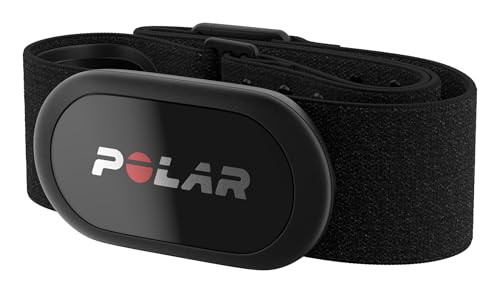
- Highly accurate chest-strap sensor
- Bluetooth and ANT+ connectivity
- Waterproof with 400-hour battery life
Best For: Athletes needing precise readings and broad compatibility
Best for Data-Driven Training

- Real-time heart rate and HRV data
- Stores workouts without a watch
- Adds running and swim features
Best For: Garmin athletes focused on detailed performance metrics
Best Comfortable Armband

- Soft, breathable armband design
- Pairs with up to three devices
- 38 hours of operation per charge
Best For: Workout users who prefer Bluetooth and armband comfort
Best Long-Battery Garmin Pick

- Real-time heart rate and HRV data
- Up to one year of battery life
- Machine-washable and 3 ATM rated
Best For: Garmin users wanting low-maintenance daily training
Most Detailed EKG Choice
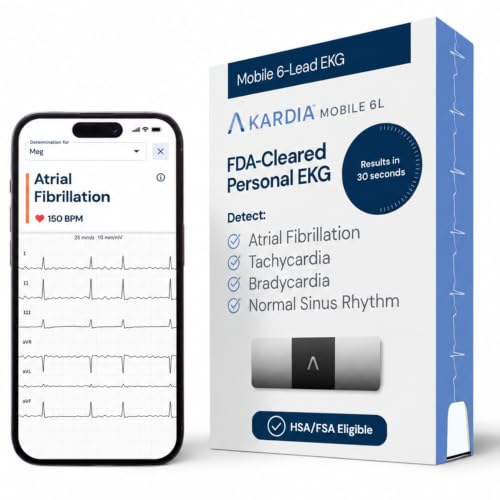
- Six-lead medical-grade EKG in 30 seconds
- FDA-cleared rhythm results without membership
- Portable Bluetooth design for compatible smartphones
Best For: Detailed personal heart-rhythm checks
Best for Connected Training
Wahoo TRACKR HEART RATE Monitor

- ECG chest sensor for real-time training data
- Bluetooth and ANT+ connectivity
- Rechargeable battery supports up to 100 hours
Best For: Connected workouts and athletic training
Best Simple Portable EKG

- Single-lead FDA-cleared EKG in 30 seconds
- Basic rhythm results do not require a subscription
- Pocket-sized design with up to 12-month battery life
Best For: Simple, occasional heart-rhythm checks
Best Armband Value

- ±1 BPM optical monitoring claim
- Bluetooth and ANT+ connectivity
- Up to 35 hours of battery life
Best For: Comfortable zone-based training without a chest strap
Best Long-Battery Chest Strap

- Algorithms target motion and sweat interference
- ANT+ and Bluetooth compatible
- Up to 800 hours with a replaceable CR2032
Best For: Frequent workouts and multi-device training setups
Best for HRV Insights

- Optical real-time heart-rate tracking
- HRV mode captures RR interval data
- IP68 waterproof and ANT+/Bluetooth compatible
Best For: Training, recovery, and stress insights from an armband
Most Versatile Pick – Polar H10
For shoppers seeking heart rate monitors for accurate readings, the Polar H10 stands out with a chest-strap design, multiple connection options, and a sensor Polar identifies as its most accurate to date. It works with compatible equipment and devices, supports simultaneous Bluetooth and ANT+ connections, and includes internal memory for workouts.
Best For: Athletes who want highly precise readings, broad device compatibility, and a waterproof chest strap.
Pros:
- Designed for top-quality heart-rate measurement
- Supports Bluetooth, ANT+, and 5 kHz connections
- Waterproof with several hours of internal memory
- Battery life is rated at up to 400 hours
Cons:
- Chest straps may feel less convenient than armbands for some users
- Uses a replaceable CR2025 battery rather than a rechargeable battery
The H10 is a strong all-around choice when measurement precision and connectivity matter most. Its included Polar Pro strap adds silicone grip points and improved electrodes for a more secure, interference-free fit.
Best for Data-Driven Training – Garmin HRM 600
The Garmin HRM 600 is a feature-rich option for shoppers comparing heart rate monitors for accurate readings alongside advanced workout data. It transmits real-time heart rate and HRV information, records workouts when a watch is unavailable, and adds running dynamics when paired with a compatible smartwatch.
Best For: Garmin users and performance athletes who want heart-rate data, HRV, running metrics, and swim-workout recording.
Pros:
- Sends real-time heart rate and HRV data to compatible devices and apps
- Stores workouts and syncs details through Garmin Connect
- Provides running dynamics and indoor pace and distance with compatible equipment
- Machine-washable strap and rechargeable battery rated for up to two months
Cons:
- Many advanced metrics require a compatible Garmin smartwatch
- Shorter stated battery life than the HRM 200
Choose the HRM 600 if you want more than basic heart-rate tracking. Its workout storage, swim support, and running-dynamics features make it particularly suited to structured, data-focused training.
Best Comfortable Armband – COROS Heart Rate Monitor
The COROS Heart Rate Monitor is an armband alternative for people seeking heart rate monitors for accurate readings without wearing a traditional chest strap. Its soft, breathable band, auto-wear detection, and ability to pair with up to three devices make it convenient for sports and workout sessions.
Best For: Athletes who prefer a comfortable Bluetooth armband for workout heart-rate monitoring.
Pros:
- Soft, breathable band designed for comfortable exercise use
- Connects simultaneously with up to three devices via Bluetooth
- Auto-wear detection powers the monitor on and off
- Provides up to 38 hours of operation per charge
Cons:
- Bluetooth only; it does not support ANT+
- Designed for sports and activities rather than daily tracking
- Large band fits arm sizes from 9.4 to 16.9 inches
The COROS armband is a practical pick when comfort and quick setup are priorities. It offers reliable workout data and simple cleaning, but shoppers needing ANT+ or all-day tracking should consider another model.
Best Long-Battery Garmin Pick – Garmin HRM 200
The Garmin HRM 200 is a straightforward choice for shoppers evaluating heart rate monitors for accurate readings and long-term convenience. It transmits real-time heart rate and HRV data to compatible Garmin devices, fitness equipment, and apps, while its user-replaceable battery can last up to a year.
Best For: Garmin users who want dependable heart-rate and HRV transmission with minimal battery maintenance.
Pros:
- Transmits accurate real-time heart rate and HRV data
- Compatible with Garmin watches, cycling computers, equipment, and apps
- Battery lasts up to one year and is user-replaceable
- Machine-washable strap with a 3 ATM water rating
Cons:
- Does not list workout-storage features like the HRM 600
- Requires compatible Garmin equipment or apps for connected data use
The HRM 200 keeps the essentials simple: accurate transmission, durable construction, easy cleaning, and a long-lasting replaceable battery. It is a sensible everyday training strap for users already invested in the Garmin ecosystem.
Most Detailed EKG Choice – KardiaMobile 6L
For shoppers comparing heart rate monitors for accurate readings, the KardiaMobile 6L stands out when you want more than a basic pulse measurement. It records a medical-grade, six-lead EKG in 30 seconds and provides FDA-cleared rhythm determinations through the Kardia app.
Best For: People who want detailed, portable heart-rhythm information and six-lead EKG data to share with a healthcare professional.
Pros:
- Records a six-lead EKG with detailed electrical-activity data.
- Provides results for AFib, bradycardia, tachycardia, and normal sinus rhythm without requiring a membership.
- Compact, smartphone-compatible design with HSA/FSA eligibility.
- Uses Bluetooth and does not require Wi-Fi, cords, or a computer.
Cons:
- Not tested or recommended for people with pacemakers or ICDs.
- Does not check for heart attacks or replace routine medical care.
- Requires a compatible smartphone or tablet.
The six-lead format makes this a strong option for users prioritizing rhythm detail over continuous workout tracking. Use it as a personal monitoring aid, not as a substitute for medical evaluation.
Best for Connected Training – Wahoo TRACKR HEART RATE Monitor
If you need heart rate monitors for accurate readings during exercise, the Wahoo TRACKR HEART RATE Monitor is built for real-time training data. Its ECG chest sensor connects through Bluetooth or ANT+ and broadcasts heart rate to phones, fitness equipment, apps, and accessories.
Best For: Athletes and fitness users who want a comfortable chest strap with broad device compatibility and long rechargeable battery life.
Pros:
- Provides real-time heart rate data using an ECG chest sensor.
- Supports Bluetooth, ANT+, and up to three simultaneous Bluetooth connections.
- Offers up to 100 hours of active battery life with rechargeable power.
- Slim, soft strap and IPX7-rated design suit intense workouts.
Cons:
- Chest-strap design may be less convenient than a fingertip or phone-based monitor.
- Requires compatible training equipment, apps, or devices for connected features.
- It is designed for exercise tracking rather than diagnostic EKG interpretation.
For workout-focused users, the TRACKR combines a secure fit, multiple connection options, and extended battery life. Its value is strongest when you regularly train with compatible apps or gym equipment.
Best Simple Portable EKG – KardiaMobile 1-Lead
For shoppers seeking heart rate monitors for accurate readings in a compact format, the KardiaMobile 1-Lead offers a straightforward way to record a single-lead EKG. Place your fingers on the sensors, use the smartphone app, and receive a rhythm result in about 30 seconds.
Best For: People who want an easy, pocket-sized personal EKG for occasional checks at home, work, the gym, or while traveling.
Pros:
- Captures a medical-grade, FDA-cleared single-lead EKG in 30 seconds.
- Detects AFib, tachycardia, bradycardia, and normal sinus rhythm.
- Works without a subscription for basic readings and can email EKGs to a doctor.
- Small, lightweight design with a battery life of up to 12 months.
Cons:
- Provides one lead rather than the more detailed six-lead view of the KardiaMobile 6L.
- Requires a compatible smartphone or tablet and the Kardia app.
- Additional KardiaCare features, including doctor reviews, require a paid subscription.
This is a practical choice for quick, occasional rhythm checks without carrying a larger device. Choose it for simplicity and portability, while recognizing that it is not a replacement for professional medical care.
Best Armband Value – COOSPO HW9
If you want heart rate monitors for accurate readings without wearing a chest strap, the COOSPO HW9 is a practical option. Its optical sensor claims monitoring error of ±1 BPM, while Bluetooth and ANT+ support makes it suitable for cycling, running, Peloton, and compatible fitness apps.
Best For: Athletes who prefer a comfortable, adjustable armband with heart-rate-zone feedback and broad device compatibility.
Pros:
- Optical tracking with a stated ±1 BPM monitoring error.
- Five-color LED indicators provide quick heart-rate-zone feedback.
- Supports Bluetooth 5.0, ANT+, HRV, and two simultaneous Bluetooth connections.
- Rechargeable battery provides up to 35 hours of use.
Cons:
- Uses an armband rather than a chest strap, which may not suit every athlete.
- Its display size is listed as 0.4 inches, so it is not designed as a standalone display.
The HW9 stands out for combining zone alerts, customizable maximum heart rate settings, vibration warnings, and long battery life in a lightweight armband. It is a strong fit for training sessions where comfort and app connectivity matter.
Best Long-Battery Chest Strap – GEOID HS500
The GEOID HS500 is a chest-strap option for shoppers comparing heart rate monitors for accurate readings during active workouts. Its updated hardware and algorithms are designed to reduce movement and sweat interference, while ANT+ and Bluetooth connectivity support phones, watches, bike computers, treadmills, and fitness apps.
Best For: Runners, cyclists, and gym users who want a traditional chest strap with replaceable-battery convenience and broad compatibility.
Pros:
- Designed to reduce noise interference from movement and sweating.
- Supports both ANT+ and Bluetooth connections.
- Offers up to 800 hours of battery life with a replaceable CR2032 battery.
- IP67 waterproof rating and automatic wake-up in less than one second.
Cons:
- Swimming is not recommended, despite the IP67 rating.
- Bluetooth should be connected through the fitness app rather than directly through the phone’s Bluetooth settings.
With its quick wake-up, long battery life, and movement-focused algorithm updates, the HS500 is especially convenient for frequent training. The chest-strap design may feel less liberating than an armband, but it offers a familiar setup for workout equipment and training platforms.
Best for HRV Insights – Scosche Rhythm+ 2.0
The Scosche Rhythm+ 2.0 is an optical armband for shoppers seeking heart rate monitors for accurate readings during running, cycling, and gym workouts. Along with Bluetooth and ANT+ pairing, it offers an HRV mode that captures RR interval data for compatible training, sleep, and stress-analysis apps.
Best For: Athletes who want a flexible armband with HRV data support and compatibility with popular training platforms.
Pros:
- Tracks real-time heart rate over Bluetooth or ANT+.
- HRV mode captures RR interval data for supported apps.
- Adjustable strap can be worn on the forearm, bicep, or tricep.
- IP68 waterproof construction and up to 24 hours of battery life.
Cons:
- Battery life is shorter than the 35-hour rating of the COOSPO HW9.
- HRV features require compatible apps and platforms for analysis.
The Rhythm+ 2.0 is a versatile alternative to a restrictive chest strap, particularly for users who value HRV data alongside standard heart-rate tracking. Its durable, waterproof design also suits demanding indoor and outdoor sessions.
How We Picked the Best Heart Rate Monitors for Accurate Readings
We focused on monitors that support dependable heart-rate tracking and practical everyday use. Our comparison considers sensor type, connection standards such as Bluetooth and ANT+, battery expectations, water resistance, fit, app or device compatibility, and the type of data each monitor is designed to provide.
Chest straps use electrical signals captured near the heart and are often the strongest choice for rapid changes during intervals or other vigorous exercise. Optical armbands can be more comfortable and convenient, while EKG monitors are intended for spot checks of heart rhythm rather than continuous training data.
Quick Comparison
| Monitor type | Best for | Main advantage | Potential limitation |
|---|---|---|---|
| Chest strap | Training accuracy | Fast, responsive readings | Requires a snug fit |
| Optical armband | Comfort and convenience | Easy to wear and reposition | May respond more slowly to sudden changes |
| Single-lead EKG | On-demand rhythm checks | Useful for recording spot readings | Not a replacement for continuous exercise monitoring |
| Six-lead EKG | More detailed rhythm snapshots | Provides additional electrical views | Higher cost and a different use case |
Key Buying Factors for Heart Rate Monitors for Accurate Readings
Sensor Design and Fit
For the most consistent workout measurements, choose a chest strap that stays firmly against the skin without restricting breathing. Moisten the contact areas before use if the manufacturer recommends it. An optical armband should sit securely on the upper forearm or biceps rather than moving loosely during exercise.
Connectivity and Compatibility
Bluetooth is useful for phones, tablets, and many fitness apps. ANT+ is valuable when pairing with compatible bike computers, watches, or gym equipment. Check whether your preferred device supports one or both standards, and confirm whether simultaneous connections are important to your setup.
Battery, Durability, and Maintenance
Consider rechargeable versus replaceable batteries, expected runtime, and charging convenience. Water resistance matters for sweaty workouts and outdoor training, but it does not automatically mean a device is suitable for swimming. Clean straps and sensors as directed to preserve contact quality and comfort.
What the Readings Are for
Training monitors typically track beats per minute, zones, calories, or workout intensity. EKG products record electrical heart signals for periodic rhythm assessment. If you have symptoms or concerns about your heart, use medical guidance rather than relying on a consumer monitor alone.
Who Should Buy Which Heart Rate Monitors for Accurate Readings?
- For serious interval, running, or cycling training: Choose a chest strap such as the Polar, Garmin, Wahoo, or HS500 options for responsive readings and broad device compatibility.
- For comfortable gym and everyday workouts: An optical armband such as the COROS, COOSPO, or Scosche model may be easier to wear than a chest strap.
- For Garmin-focused training: Select the Garmin HRM model whose features, battery design, and compatibility match your watch or cycling computer.
- For occasional heart-rhythm checks: Consider a KardiaMobile EKG device, choosing the six-lead model when you specifically want additional electrical views.
- For mixed devices: Prioritize dual Bluetooth and ANT+ support, then verify your phone, watch, app, and gym equipment before purchasing.