Finding a heart rate monitor that is genuinely easy to use matters more than choosing the device with the longest feature list. Large displays, simple controls, dependable readings, and minimal setup can make everyday tracking far less frustrating.
This roundup compares 10 options, from no-phone pedometer watches and fitness trackers to a fingertip pulse oximeter and a personal EKG monitor. Use the guide below to match the device type and features to your needs.
Best 10 Senior-Friendly Heart Rate Monitors Picks for 2026
Versatile Wellness Pick
MorePro Health Fitness Tracker

- 24/7 heart-rate monitoring with activity and sleep tracking
- 1.47-inch display, notifications, and 300+ watch faces
- Up to seven days of use with IP68 water resistance
Best For: Feature-focused users who want a smartwatch-style wellness tracker
Simple No-Phone Choice
Senior-Friendly Pedometer Watch

- Basic tracking works without a phone or app
- Monitors heart rate, SpO2, steps, sleep, and workouts
- Stores seven days of data and runs up to seven days per charge
Best For: Users wanting uncomplicated everyday tracking
Quick Fingertip Reading
Zacurate 500 Series Pulse Oximeter

- Shows SpO2, pulse rate, and pulse strength in about 10 seconds
- Large user-facing LED display for straightforward viewing
- Includes batteries, silicone cover, lanyard, and one-year warranty
Best For: Portable spot checks of pulse and blood oxygen
Classic Watch Design
Medline Digital Heart Rate Watch

- Continuous pulse monitoring from wrist-based sensors
- Tracks steps and calories with 50 days of step storage
- Adds backlight, alarms, timer, and stopwatch functions
Best For: Users wanting a traditional watch with basic health tracking
Best Medical-Style Pick
KardiaMobile 1-Lead EKG Monitor

- 30-second single-lead EKG readings
- Detects several common rhythm patterns
- Compact, FDA-cleared, and subscription-optional
Best For: Seniors seeking quick heart-rhythm checks
Best No-Phone Simplicity
Senior-Friendly Pedometer Watch

- Basic use does not require a phone or app
- Tracks heart rate, steps, SpO2, sleep, and workouts
- Up to seven days of local activity storage
Best For: Seniors wanting simple on-watch tracking
Best Feature-Rich Tracker
MorePro Health and Fitness Smart Watch
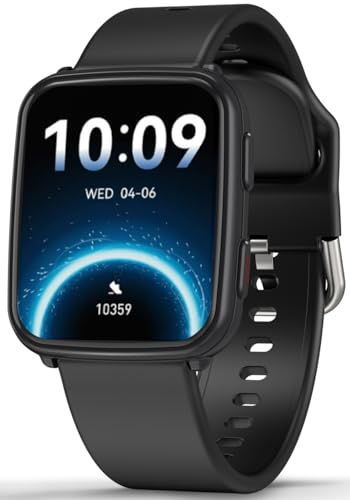
- 24/7 heart rate and blood-pressure monitoring
- 120+ sport modes with sleep and oxygen tracking
- Up to seven days of normal-use battery life
Best For: Seniors wanting broad wellness and smartwatch features
Best Overall
DAVIKO Standalone Senior Fitness Tracker
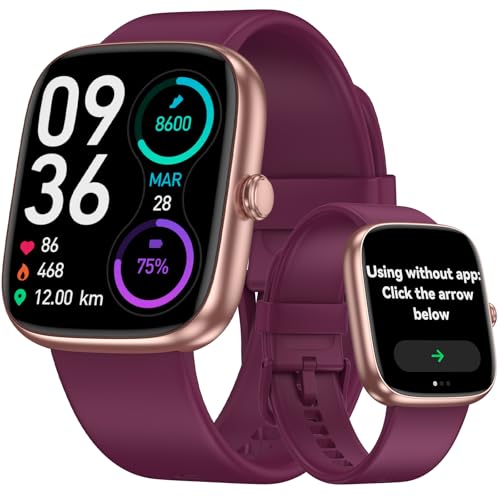
- Works without a phone for core tracking
- Large 1.83-inch LCD touchscreen
- Heart rate, sleep, steps, and blood oxygen tracking
Best For: Older adults wanting simple, independent daily activity tracking
Best for Flexible Use

- Standalone basics need no app or phone
- Optional app unlocks expanded features
- Large color display with multiple sports modes
Best For: Users who want phone-free tracking with optional smartphone features
Best Simple Pick
EW1 Senior Pedometer Fitness Watch

- Core functions work without a phone or app
- Tracks heart rate, activity, sleep, and steps
- Seven-day battery with IP68 waterproofing
Best For: Seniors wanting a lightweight, straightforward fitness watch
Versatile Wellness Pick – MorePro Health Fitness Tracker
For shoppers comparing senior-friendly heart rate monitors, the MorePro Health Fitness Tracker offers an easy-to-wear wrist format with continuous heart-rate tracking, activity data, sleep insights, and notifications. Its 1.47-inch touchscreen, lightweight design, and app-based history make it useful for everyday wellness monitoring, though its readings are intended for general fitness reference rather than medical use.
Best For: Adults who want a feature-rich fitness watch with heart-rate trends, activity tracking, and reminders in one device.
Pros:
- Provides 24/7 heart-rate monitoring plus on-demand blood oxygen checking.
- Tracks steps, distance, calories, sleep, and seven workout types.
- Offers a slim display, 300+ watch faces, notifications, and up to seven days of use.
- IP68 waterproof design supports everyday wear and light rain.
Cons:
- Requires a compatible Android or iOS smartphone for app history and some features.
- Blood pressure and other measurements are for general wellness, not medical diagnosis.
This is a strong all-around option for seniors comfortable with a smartphone and interested in more than pulse monitoring. Those seeking the simplest no-phone experience may prefer a dedicated watch with local data storage.
Simple No-Phone Choice – Senior-Friendly Pedometer Watch
Among senior-friendly heart rate monitors, this KALOC pedometer watch stands out for basic operation without requiring an app or phone. Users can check heart rate and SpO2 directly on the watch while also viewing steps, sleep, workouts, alarms, and stopwatch functions.
Best For: Seniors and other users who prioritize straightforward setup and local access to everyday tracking data.
Pros:
- Works for basic functions without a phone or app.
- Displays heart rate, SpO2, steps, sleep, and workout information.
- Stores up to seven days of activity data locally.
- Offers up to seven days of battery life, quick charging, and IP68 water resistance.
Cons:
- Long-term history requires pairing with the compatible app.
- The supplied notes do not specify medical-grade accuracy or a medical-use designation.
Its phone-free basic operation makes this one of the more approachable choices for users who dislike complicated setup. It is best viewed as a practical wellness and pedometer watch rather than a clinical monitor.
Quick Fingertip Reading – Zacurate 500 Series Pulse Oximeter
For shoppers seeking senior-friendly heart rate monitors for occasional checks, the Zacurate 500 Series is a compact fingertip pulse oximeter rather than a wearable watch. It displays pulse rate, pulse strength, and blood oxygen saturation on a user-facing LED screen in about 10 seconds.
Best For: Adults who want a portable spot-check device for pulse and SpO2 readings at home or during activities.
Pros:
- Displays SpO2 and pulse rate on a large digital LED display.
- Reads and displays results in about 10 seconds.
- Includes two AAA batteries, a silicone cover, lanyard, and one-year warranty.
- Its spring-loaded finger chamber accommodates a range of finger sizes for ages 12 and above.
Cons:
- Provides spot checks rather than continuous heart-rate monitoring.
- It is not a step counter, sleep tracker, or smartwatch.
- Designed for ages 12 and above, not specifically for younger children.
This is a sensible choice when a clear, quick reading matters more than wearable features. Its focused design may also be easier to understand than a multifunction fitness watch, but it cannot provide all-day trends.
Classic Watch Design – Medline Digital Heart Rate Watch
Medline Digital Heart Rate and Pedometer Watch, Water-Resistant Version, 1 Each
Check Price On AmazonThe Medline Digital Heart Rate and Pedometer Watch is a straightforward option for shoppers comparing senior-friendly heart rate monitors in a familiar wristwatch format. It combines pulse sensors with step and calorie tracking, while its backlight, alarms, stopwatch, and clear time display add practical daily functions.
Best For: Users who want continuous pulse monitoring and basic pedometer features without a modern smartwatch-style feature set.
Pros:
- Uses pulse sensors for continuous heart-rate monitoring.
- Counts steps and calories and stores the last 50 days of steps.
- Includes a backlight, two custom alarms, hourly chimes, and countdown timer.
- Provides a stopwatch with split-time functionality and hundredth-of-a-second measurement.
Cons:
- The supplied notes do not mention smartphone connectivity or app-based history.
- Water resistance is described as water-resistant, not fully waterproof.
- The notes do not specify battery runtime.
With its traditional display and focused controls, this Medline watch may suit users who want essential tracking without extensive app features. Consider it for pulse and step monitoring, while keeping its unspecified battery life in mind.
Best Medical-Style Pick – KardiaMobile 1-Lead EKG Monitor
For shoppers comparing senior-friendly heart rate monitors, the KardiaMobile stands out as a compact personal EKG rather than a traditional fitness watch. It records a single-lead, medical-grade EKG in about 30 seconds and displays easy-to-read rhythm results through a compatible smartphone or tablet.
Best For: Seniors who want quick heart-rhythm checks and the ability to email recordings to a doctor.
Pros:
- Detects AFib, tachycardia, bradycardia, and normal sinus rhythm.
- Small, lightweight design weighs less than 1 ounce.
- Works without Bluetooth, Wi-Fi, cords, or a subscription for basic use.
- FDA-cleared and FSA/HSA-eligible.
Cons:
- Requires a compatible smartphone or tablet to record and view results.
- It is an EKG monitor, not a general-purpose step or workout tracker.
- Additional KardiaCare features require a paid subscription.
KardiaMobile is the most focused option here for rhythm monitoring and sharing results with a healthcare professional. Its simple finger-touch operation and fast readings may be especially useful for seniors who prioritize heart-rhythm information over smartwatch features.
Best No-Phone Simplicity – Senior-Friendly Pedometer Watch
This watch is a practical choice among senior-friendly heart rate monitors for anyone who wants basic tracking without depending on a phone or app. Setup and everyday viewing happen on the watch itself, which also tracks steps, heart rate, SpO2, sleep, and workouts.
Best For: Seniors who want an uncomplicated activity watch with on-device information and no required app for basic use.
Pros:
- Works without a phone or app for basic tracking.
- Measures steps, heart rate, SpO2, sleep, and workout details.
- Stores activity data locally for up to seven days.
- Offers up to seven days of battery life and IP68 water resistance.
Cons:
- Long-term history requires pairing with the compatible app.
- No GPS functionality is listed.
- Its touchscreen may be less straightforward for users who prefer physical buttons.
The Stiive watch emphasizes independence and simple daily monitoring. It is a sensible fit for seniors who want heart-rate information alongside steps and basic wellness metrics, while keeping the phone optional for everyday use.
Best Feature-Rich Tracker – MorePro Health and Fitness Smart Watch
For seniors who want a broader wellness dashboard, this MorePro model combines 24/7 heart-rate tracking with blood pressure estimates, on-demand blood oxygen checks, sleep monitoring, and activity tracking. It also adds notifications and practical reminders, although the manufacturer notes that it is not intended for medical use.
Best For: Seniors who want a feature-rich fitness tracker for everyday trends, workouts, reminders, and phone notifications.
Pros:
- Provides 24/7 heart-rate and blood-pressure monitoring plus on-demand oxygen checks.
- Includes sleep tracking and more than 120 sport modes.
- Offers sedentary, drink-water, alarm, timer, and find-my-phone tools.
- IP68 water resistance and up to seven days of normal-use battery life.
Cons:
- The product is explicitly not for medical use.
- Requires an Android or iOS smartphone for full compatibility and connected features.
- The many features may feel less simple than a basic tracker.
MorePro is best viewed as an everyday wellness and activity companion rather than a diagnostic device. Its wide range of metrics and reminders can be useful for seniors who enjoy detailed trend tracking and smartwatch conveniences.
Best Overall – DAVIKO Standalone Senior Fitness Tracker
For shoppers comparing senior-friendly heart rate monitors, this DAVIKO tracker offers a straightforward option with a large 1.83-inch display and core functions that work without a phone. It tracks heart rate automatically while also covering steps, sleep, calories, distance, and blood oxygen checks.
Best For: Older adults who want a large-screen fitness tracker that can operate independently from a smartphone.
Pros:
- Works in standalone mode for steps, timers, and sports tracking.
- Large LCD touchscreen is designed for easy viewing and navigation.
- Provides automatic heart-rate monitoring and manual blood oxygen checks.
- Offers up to seven days of battery life and IP68 waterproofing.
Cons:
- GPS functions require a connected smartphone.
- Blood oxygen measurement is manual rather than continuous.
- Phone-connected features use Bluetooth and compatible iOS or Android devices.
This is a practical pick when ease of use and phone-free operation matter most. Its health metrics are useful for everyday wellness tracking, but it should not be treated as a medical diagnostic device.
Best for Flexible Use – DAVIKO No-App Pedometer Watch
This DAVIKO model is a versatile choice among senior-friendly heart rate monitors, combining phone-free basics with optional app features. It monitors heart rate, stress, steps, calories, distance, sleep, and manually checked blood oxygen levels, while its larger color display keeps on-watch controls accessible.
Best For: Seniors who want simple standalone tracking now but may appreciate calls, notifications, weather, and expanded sports modes later.
Pros:
- Core pedometer and fitness functions work without an app or smartphone.
- Large LCD color display and touchscreen are intended to be easy to operate.
- Offers 20 sports modes without the app and more than 100 when connected.
- Provides up to seven days of battery life with IP68 waterproofing.
Cons:
- Expanded features require the VeryFit app and a compatible smartphone.
- It has no built-in GPS.
- Blood oxygen readings are taken manually on the watch.
The standout advantage is its upgrade path: it remains useful as a standalone watch but can add connected features if the wearer becomes comfortable with a phone. Buyers who want GPS or fully phone-independent calling should look elsewhere.
Best Simple Pick – EW1 Senior Pedometer Fitness Watch
The EW1 keeps senior-friendly heart rate monitoring uncomplicated. It works without an app or smartphone, uses a responsive display for on-watch controls, and combines real-time heart rate monitoring with steps, activity time, sleep, and manual blood oxygen readings.
Best For: Seniors seeking a lightweight, phone-free watch for basic heart-rate and activity tracking.
Pros:
- No app or mobile phone is required for its core functions.
- Tracks heart rate, steps, calories, distance, activity time, and sleep.
- Includes an alarm clock, stopwatch, and blood oxygen monitor.
- Magnetic charging provides up to seven days of battery life, and the watch is IP68 waterproof.
Cons:
- The 1.4-inch display is smaller than the 1.83-inch screens on the other listed models.
- Blood oxygen readings are manually initiated.
- The supplied details do not specify supported smartphone operating systems or app features.
Choose the EW1 when a simple, independent watch matters more than a large display or extensive connected features. Its compact screen may be less suitable for users who need especially large on-screen text.
How We Picked These Senior-Friendly Heart Rate Monitors
We focused on practical usability rather than impressive specifications alone. The selected devices represent several common approaches to heart-rate tracking: wrist-based monitors, simple pedometer watches, fingertip pulse oximeters, and a single-lead EKG device. We considered display readability, setup requirements, portability, measurement style, water resistance, activity tracking, and whether a phone or app is required.
Because these products are designed for different purposes, a continuous fitness tracker should not be compared directly with a spot-check medical device. A monitor that tracks trends during the day may be convenient, while an oximeter or EKG device may be better suited to occasional readings when symptoms or specific concerns arise.
Quick Comparison
| Device type | Best for | Phone required | Typical use |
|---|---|---|---|
| Fitness tracker watch | Daily trends and activity | Usually optional or helpful | Continuous or frequent tracking |
| Simple pedometer watch | Older adults wanting minimal setup | No | Steps, basic activity, and sometimes heart rate |
| Fingertip pulse oximeter | Portable spot checks | No | Heart rate and blood oxygen readings |
| Personal EKG monitor | Recording heart rhythm events | Typically yes | Short, user-initiated ECG recordings |
Key Buying Factors for Senior-Friendly Heart Rate Monitors
Readability and Controls
Look for a large, high-contrast screen and uncomplicated navigation. Physical buttons can be easier than swipe-only controls, especially for users with limited dexterity or vision. Check whether the displayed numbers are large enough to read without glasses.
Measurement Type
Heart-rate tracking is not the same as rhythm analysis. Wrist devices are useful for activity and general trends, while fingertip oximeters provide spot readings of pulse and oxygen saturation. An EKG monitor is designed to capture electrical heart-rhythm information and may help document an event for discussion with a clinician.
Setup, Connectivity, and Charging
No-phone watches are often the simplest option. App-connected trackers can provide charts, history, and additional metrics, but they require pairing, charging, and occasional software maintenance. Consider who will manage setup and whether the wearer is comfortable using a smartphone.
Comfort and Durability
A monitor is only useful if it will be worn or used consistently. Choose a comfortable band, a secure fit, and a weight that will not be bothersome. Water resistance can help with everyday wear, but it does not necessarily mean the device is suitable for swimming.
Accuracy and Medical Limits
Consumer monitors can vary with movement, loose fit, cold fingers, skin contact, and other conditions. Treat readings as general information unless the manufacturer specifically identifies the device for clinical use. Do not use a consumer monitor to diagnose or rule out a medical emergency.
Who Should Buy Which Senior-Friendly Heart Rate Monitors?
Choose a simple pedometer watch for someone who wants basic activity and occasional measurements without an app or phone. These are generally the easiest starting point for independent everyday use.
Choose a fitness tracker for users who want broader trend information, such as steps, sleep, calories, and ongoing heart-rate data, and who are comfortable charging a watch or receiving help with setup.
Choose a fingertip pulse oximeter when portability and quick spot checks matter more than all-day wear. It is especially convenient to keep at home or carry while traveling.
Choose a personal EKG monitor for someone whose clinician has recommended rhythm recordings or who needs a way to capture short events for medical discussion. Confirm compatibility and understand that it does not replace professional evaluation.
For chest pain, severe shortness of breath, fainting, or other urgent symptoms, seek immediate medical care rather than relying on any consumer monitor.