Learning synthesizer basics is easier when the instrument matches your goals, space, and comfort level. The best beginner-friendly music synthesizers make it simple to explore notes, rhythm, and sound design without overwhelming controls.
This roundup includes compact hardware, playful electronic instruments, and beginner-focused books that can help you start making sounds and understand what you are hearing.
Best 10 Beginner-Friendly Music Synthesizers Picks for 2026
Best Compact Controller
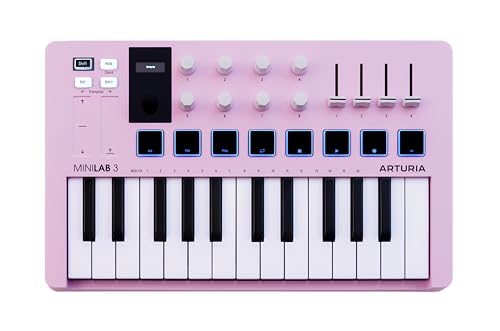
- 25 velocity-sensitive keys with pads, knobs, and sliders
- Includes Analog Lab and Ableton Live Lite
- Portable USB-C design with arpeggiator and Chord mode
Best For: New producers building a compact computer-based setup
Best Playful Standalone Instrument

- Play notes by sliding on its touch-sensitive stem
- Adds Wah and vibrato through physical gestures
- Connects to headphones, amps, and speakers
Best For: Casual players and families seeking a fun first electronic instrument
Best Software Bundle
Arturia MiniLab 3 Mint Edition

- Compact controller with keys, pads, knobs, and faders
- Integrates with several major DAWs
- Includes instruments, loops, Melodics, and Ableton Live Lite
Best For: Beginners starting computer-based production with bundled software
Best Learning Companion
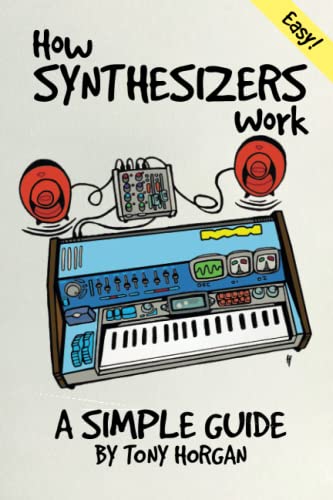
- Beginner-friendly explanations with pictures
- Covers oscillators, filters, envelopes, MIDI, and sequencing
- Includes sounds to try, glossary, and index
Best For: New synth users learning sound-design fundamentals
Best Pocket Pick

- Stylus-controlled touch surface
- Three octaves with optional vibrato
- Portable, battery-powered design
Best For: Beginners and portable retro-synth enthusiasts
Best Guided Reference
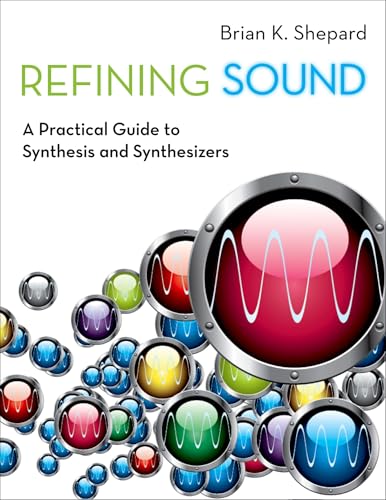
- Step-by-step synthesis instruction
- Guided projects and illustrations
- Over 40 interactive demonstrations
Best For: Structured learning and sound-design fundamentals
Best Absolute-Beginner Guide
Synthesizer for Absolute Beginners

- Plain-English synthesis lessons
- Ten-minutes-a-day practice structure
- Patch recipes, melodies, and cheat sheets
Best For: First-time synth learners and new songwriters
Best Overall Guide
How To Program Any Synthesizer

- Step-by-step sound-design methodology
- Covers modulation, routing, and arpeggiators
- Includes wavetable synth coverage
Best For: Building transferable synthesis and sound-programming skills
Best Complete Beginner Roadmap
Complete Beginners Guide To Playing Synthesizer

- Introduces synthesis from the ground up
- Includes playing, sequencing, and arpeggios
- Covers patches, layering, and composition
Best For: Learning synthesizer fundamentals and creative applications in one guide
Best Focused Sound-Design Primer
Synthesizer Cookbook: Oscillators

- Concentrates on subtractive-synthesis oscillators
- Explains waveforms, detune, phase, and stereo settings
- Part of a four-volume beginner series
Best For: Learning oscillator fundamentals in a short, focused format
Best Compact Controller – Arturia MiniLab 3 Rose Quartz
For beginners searching for beginner-friendly music synthesizers, the Arturia MiniLab 3 offers an approachable computer-based starting point. Its 25 velocity-sensitive keys, color-coded pads, knobs, sliders, and included software provide hands-on control without taking up much desk space.
Best For: New producers who want a portable MIDI controller with beginner-oriented creative features and software.
Pros:
- Intuitive controls include an arpeggiator, Chord mode, transposition, and a mini display.
- Combines 25 keys, eight RGB pads, eight encoders, and four sliders in a compact design.
- Includes Arturia Analog Lab and Ableton Live Lite, with USB-C and MIDI Out connectivity.
- Backed by a five-year warranty and made with at least 50% recycled plastic.
Cons:
- It is a MIDI controller, so it requires a computer or compatible software for its sounds.
- The 25-key slim keyboard may feel limited for players who need a larger range.
The Rose Quartz MiniLab 3 is a practical, visually distinctive choice for learning MIDI production and building an accessible home setup.
Best Playful Standalone Instrument – Otamatone Deluxe
The Otamatone Deluxe is an unusual but genuinely accessible option among beginner-friendly music synthesizers. Rather than using a traditional keyboard, you press and slide along its touch-sensitive stem, then shape the sound with the face and vibrato controls.
Best For: Beginners, families, and musicians who want a portable, playful electronic instrument with a simple learning curve.
Pros:
- Touch-sensitive stem makes it possible to play notes by pressing and sliding.
- Face squeeze adds a Wah effect, while shaking the stem adds vibrato.
- Offers roughly four octaves at each of three pitch settings.
- Includes an auxiliary cable, batteries, strap, and headphone, amplifier, or speaker connectivity through its 3.5 mm jack.
Cons:
- Its unconventional interface is less suitable for traditional keyboard technique.
- The instrument uses batteries rather than USB power.
Choose the Otamatone Deluxe for approachable experimentation and expressive fun rather than conventional studio production or keyboard practice.
Best Software Bundle – Arturia MiniLab 3 Mint Edition
For beginners who want a guided route into computer music, the Mint Edition Arturia MiniLab 3 combines an easy 25-key controller with an especially broad software bundle. Dedicated pads, faders, browsing controls, and DAW integration help reduce reliance on a mouse while you learn.
Best For: Beginning producers who want a compact controller and several included instruments, loops, and music-production tools.
Pros:
- Provides velocity-sensitive keys, 16 RGB pads, eight encoders, four sliders, and a clickable browsing knob.
- Built-in arpeggiator, Hold mode, Chord mode, and pitch/modulation touch sensors support experimentation.
- Works with major DAWs including Ableton Live, Logic Pro, Reason, Bitwig, and FL Studio.
- Includes Analog Lab V, Ableton Live Lite, UVI Model D, NI The Gentleman, Loopcloud, and Melodics access.
Cons:
- As a USB MIDI controller, it depends on a computer and software for its sounds.
- Its 25-key format is compact but provides less playing range than a full-size keyboard.
The Mint Edition stands out when beginner-friendly workflow and included learning and sound tools matter as much as the controller itself.
Best Learning Companion – How Synthesizers Work
Anyone comparing beginner-friendly music synthesizers can use How Synthesizers Work to understand the concepts behind the controls. This 161-page illustrated guide explains technical terms in simple language and covers sound design topics across major synthesizer brands and formats.
Best For: New synthesizer owners who want a straightforward reference for learning sound design and basic signal flow.
Pros:
- Designed for beginners with no previous experience required.
- Covers oscillators, waveforms, filters, LFOs, envelopes, effects, MIDI, and sequencing.
- Includes pictures, practical sounds to try, a glossary, and an index.
- Applies to synthesizers from brands including Roland, Korg, Moog, Yamaha, Novation, Arturia, and Eurorack.
Cons:
- It is a book rather than a synthesizer or playable instrument.
- Readers need access to a synthesizer to try the suggested sounds and concepts.
This guide is a useful companion for turning hands-on experimentation into a clearer understanding of synthesis fundamentals, connections, and terminology.
Best Pocket Pick – Stylophone Original
The Stylophone Original is a highly approachable choice for anyone exploring beginner-friendly music synthesizers. Its touch-sensitive metal surface, stylus control, built-in speaker, and compact battery-powered design make it easy to start experimenting without a traditional keyboard setup.
Best For: Beginners, casual players, and musicians who want a portable retro-style synth.
Pros:
- Simple stylus-based interface is easy to play.
- Offers three octaves, an optional vibrato effect, and an iconic analog sound.
- Compact, battery-powered design includes a built-in speaker and headphone socket.
- Can connect to a computer or other gear through its line connection.
Cons:
- The compact touch-surface design may not replace a full-size keyboard.
- Requires three AA batteries for portable use.
Choose this model if you value immediate, hands-on fun over a deep menu of controls. It is an inviting introduction to synthesis and a distinctive add-on for an existing music setup.
Best Guided Reference – Refining Sound
Refining Sound is a strong companion for learners comparing beginner-friendly music synthesizers and wanting to understand how their controls shape sound. It breaks synthesis into stages, from waveforms through effects, with guided projects and interactive demonstrations.
Best For: Students, electronic musicians, and beginners who prefer a structured, theory-supported learning resource.
Pros:
- Explains synthesis components step by step in chronological order.
- Includes guided “Your Turn” projects for hands-on practice.
- Provides more than 40 interactive synthesis demonstrations through a companion website.
- Ends with detailed recipes for creating common synthesizer sounds.
Cons:
- It is a 264-page instructional book rather than a physical synthesizer.
- Its practical approach still requires access to a synthesizer or related software for experimentation.
This is best viewed as a learning investment rather than an instant-play option. Its organized explanations and exercises can help beginners move from simply using presets to making deliberate sound-design choices.
Best Absolute-Beginner Guide – Synthesizer for Absolute Beginners
Synthesizer for Absolute Beginners is designed for newcomers who want a low-pressure starting point alongside beginner-friendly music synthesizers. It uses plain-English explanations, short daily exercises, sound recipes, and practical guidance for playing, patch design, and recording.
Best For: First-time synth owners, parents setting up a beginner instrument, and songwriters learning synthesis.
Pros:
- Explains oscillators, filters, envelopes, and LFOs without assuming music-reading skills.
- Includes step-by-step recipes for pads, leads, basses, and layered sounds.
- Offers a seven-day challenge, easy melodies, daily workouts, and printable cheat sheets.
- Covers connecting a synth to a computer, free VSTs, and effects.
Cons:
- At 128 pages, it offers less overall length than a more extensive reference text.
- It is independently published and focuses specifically on absolute-beginner instruction.
For someone intimidated by technical manuals, this is the most direct starting point in the group. Its short lessons and concrete exercises encourage regular practice while building toward original patches and recorded tracks.
Best Overall Guide – How To Program Any Synthesizer
For shoppers comparing beginner-friendly music synthesizers resources, How To Program Any Synthesizer: Second Edition is a practical choice for learning sound design across different instruments and software. Its step-by-step approach covers building sounds from scratch rather than relying only on presets.
Best For: Beginners who want a systematic foundation in synthesis and sound programming.
Pros:
- Explains synthesizer programming in accessible, easy-to-follow steps.
- Covers modulation, routing, arpeggiators, and wavetable synthesizers.
- Applies to hardware and software examples, including Minimoog, Massive, Serum, and Pigments.
Cons:
- At 164 pages, it may require additional resources for highly advanced topics.
- It is a programming and sound-design guide rather than a dedicated playing-method book.
This is the strongest all-around pick for learners who want transferable synthesis knowledge. The second edition’s updated coverage makes it especially useful if you expect to explore both classic and modern synthesizer workflows.
Best Complete Beginner Roadmap – Complete Beginners Guide To Playing Synthesizer
Among beginner-friendly music synthesizers books, Complete Beginners Guide To Playing Synthesizer takes a broad, start-to-finish approach. It introduces the instrument, explains core synthesis concepts, and progresses toward playing, sequencing, patch creation, and composition.
Best For: Complete novices seeking one introductory guide that combines playing, sound design, and music creation.
Pros:
- Uses step-by-step lessons designed for beginners.
- Covers oscillators, filters, envelopes, modulation, sequencing, and arpeggios.
- Also introduces polyphony, modular synthesis, patch creation, layering, and composition.
Cons:
- Its 92-page length means some advanced subjects may receive limited depth.
- As an independently published guide, its presentation may vary from more established music-education books.
This is a convenient starting point for readers who do not want to choose between a playing guide and a sound-design manual. Its wide scope makes it useful for discovering which synthesizer skills you want to develop next.
Best Focused Sound-Design Primer – Synthesizer Cookbook: Oscillators
SYNTHESIZER COOKBOOK: How to Use Oscillators (Sound Design for Beginners Book 1)
Check Price On AmazonFor beginners who prefer a focused lesson rather than a broad reference, SYNTHESIZER COOKBOOK: How to Use Oscillators offers a compact introduction to the first major stage of subtractive sound design. It concentrates on oscillator settings and explains how they shape a synthesizer’s sound.
Best For: New producers who want a short, targeted introduction to oscillators and waveform-based sound design.
Pros:
- Breaks oscillator concepts into a dedicated, beginner-focused volume.
- Covers waveforms, octaves, volume, panning, voices, phase, detune, and stereo settings.
- Part of a four-volume series covering filters, envelopes, and LFOs, with a sample-pack bonus noted.
Cons:
- At 72 pages, it focuses on oscillators rather than complete synthesizer programming.
- Readers wanting filters, envelopes, and LFOs must use the other volumes or a comprehensive edition.
This compact format works well if oscillator terminology is your immediate hurdle. It is less suitable as a standalone all-in-one manual, but its narrow scope can make the first stage of sound design easier to absorb.
How We Picked These Beginner-Friendly Music Synthesizers
We focused on approachable options for first-time players and producers, prioritizing simple controls, useful learning support, compact designs, and clear paths to making sound quickly. Because beginners have different goals, this selection includes USB MIDI controllers for computer-based production, standalone electronic instruments for hands-on experimentation, and books that explain synthesis, playing technique, and sound programming.
We also considered whether each option helps remove a common barrier: limited space, unfamiliar terminology, lack of music-reading experience, or uncertainty about where to begin.
Quick Comparison
| Best For | Look For | Typical Learning Path |
|---|---|---|
| Computer music production | USB connectivity, software, pads, and knobs | Play keys, trigger sounds, then edit in a DAW |
| Casual experimentation | Standalone operation and immediate controls | Explore pitch, tone, and effects by ear |
| Structured learning | Step-by-step lessons and plain-language explanations | Learn fundamentals before programming patches |
| Sound design | Oscillator, filter, envelope, and modulation guidance | Recreate sounds and build original patches |
Key Buying Factors for Beginner-Friendly Music Synthesizers
Connection and Setup
A USB MIDI keyboard usually needs a computer, tablet, or phone running compatible music software, but it can provide a broad range of sounds at a relatively low cost. A standalone instrument is more immediate and may be better if you want to play without opening a DAW. Check included cables, software, and device compatibility before buying.
Controls and Feedback
Beginners benefit from visible knobs, clearly labeled controls, and some way to hear how changes affect a sound. Pads can help with beats, while a compact keyboard supports melodies and chords. Unusual interfaces can be fun, but traditional keys and standard synthesis controls may be easier to build on.
Learning Support
A good beginner resource should explain oscillators, filters, envelopes, effects, and signal flow without assuming advanced theory. Look for practical exercises and progressive lessons rather than terminology alone. Books can also extend the value of simple hardware by showing what to practice next.
Size, Sound, and Upgrade Path
Small instruments are convenient, but fewer keys and controls can limit performance options. Decide whether you primarily want to learn, compose, perform, or design sounds. If you expect to advance quickly, choose an option that works with additional software or can complement a larger setup later.
Who Should Buy Which Beginner-Friendly Music Synthesizers?
Choose a USB MIDI controller if you already have—or plan to use—a computer-based music setup and want flexible software instruments. Choose a compact standalone synthesizer if immediate, screen-free experimentation matters most. Choose a structured beginner book if you want lessons, terminology, and exercises before investing in more hardware. Choose a sound-design guide if your main goal is learning how patches are built and modified.
For many newcomers, the best starting point is the option that makes practice easiest to repeat. A simple controller plus a clear learning guide can offer more room to grow than a feature-heavy instrument that feels intimidating on day one.