Documentary shooters often need reach without interrupting a subject. The right telephoto lens lets you capture natural moments, distant details, wildlife, and candid interviews while keeping a workable shooting distance.
This roundup compares 10 telephoto camera lenses for documentaries across Sony, Canon, Olympus, and adaptable manual-mount systems. We focus on reach, stabilization, autofocus, handling, brightness, compatibility, and value.
Best 10 Telephoto Camera Lenses for Documentaries Picks for 2026
Long-Reach Documentary Pick
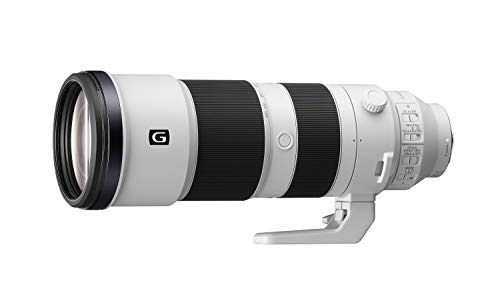
- 200-600mm zoom range
- Optical stabilization
- Quiet, precise autofocus
Best For: Distant wildlife and observational filming with Sony cameras
Handheld Balance Pick

- 150-500mm full-frame zoom
- VC stabilization for handheld work
- Fast, precise autofocus
Best For: Sony mirrorless crews balancing reach and portability
Maximum-Reach Specialist

- 400-800mm super-telephoto range
- Internal zoom for stable handling
- Supports selected teleconverters
Best For: Distant wildlife, birding, and sports productions
Canon DSLR Value Option

- Flexible 100-400mm zoom
- Two image stabilizer modes
- Compatible with Canon extenders
Best For: Canon EF DSLR crews filming action and distant portraits
Best APS-C Reach
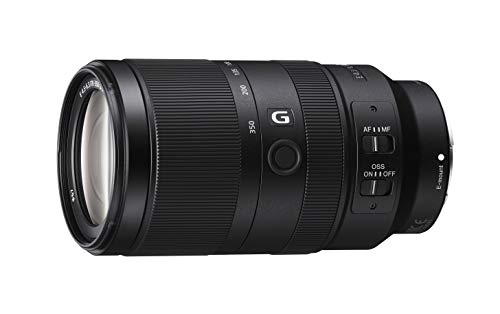
- 105-525mm equivalent APS-C reach
- Optical SteadyShot stabilization
- Lightweight with quiet XD autofocus
Best For: Wildlife and outdoor documentaries using Sony APS-C cameras
Best RF Versatility

- Flexible 100-400mm zoom range
- Up to 5.5 stops optical stabilization
- Quiet Nano USM autofocus
Best For: EOS R documentary shooters covering varied subject distances
Best Lightweight MFT Reach

- 150-600mm equivalent reach
- Quiet MSC autofocus for video
- Lightweight 0.42 kg construction
Best For: Daylight nature, travel, and sports documentaries on Micro Four Thirds
Professional Reach

- 100-500mm flexible zoom range
- Up to 5 stops of optical stabilization
- Quiet Dual Nano USM autofocus
Best For: Canon RF-mount mirrorless documentary shooters
Budget Manual Reach

- Extreme 420-800mm focal range
- Manual focus with no stabilization
- Designed for Canon EF/EF-S DSLRs
Best For: Tripod-based filming of distant, controlled subjects
Maximum Wildlife Reach

- Powerful 200-800mm zoom range
- Optical stabilization for handheld shooting
- Autofocus and extender compatibility
Best For: Long-distance wildlife and nature documentaries
Long-Reach Documentary Pick – Sony FE 200-600mm G OSS
For filmmakers needing substantial reach, the Sony FE 200-600mm f/5.6-6.3 G OSS is a capable choice among telephoto camera lenses for documentaries. Its broad zoom range, optical stabilization, and quiet focusing design suit distant wildlife, sports, and observational footage with Sony E-mount cameras.
Best For: Sony shooters filming distant subjects where reach and quiet autofocus matter.
Pros:
- 200-600mm range provides strong framing flexibility.
- Optical image stabilization supports handheld shooting.
- Direct Drive Super Sonic Wave Motor enables fast, quiet, precise focus.
- Five ED elements and Nano AR coating help reduce aberrations, flare, and ghosting.
Cons:
- Its 4.7-pound weight may be demanding for extended handheld documentary work.
- The f/5.6-6.3 maximum aperture is relatively modest in low light.
- It is compatible with Sony E and FE mounts only.
This lens stands out when maximum flexibility at long distances is more important than compactness or low-light brightness. The included detachable tripod mount and carrying case are useful for longer shoots.
Handheld Balance Pick – Tamron 150-500mm VC VXD
Tamron 150-500mm f/5-6.7 Di III VC VXD Lens for Full Frame Sony Mirrorless Camera
Check Price On AmazonThe Tamron 150-500mm f/5-6.7 Di III VC VXD offers a practical balance of reach and portability for telephoto camera lenses for documentaries. Designed for Sony E-mount mirrorless cameras, it combines a 500mm maximum focal length with optical stabilization and high-speed autofocus.
Best For: Sony mirrorless documentary shooters who want long reach in a comparatively compact telephoto zoom.
Pros:
- 150-500mm range covers both moderately distant and far-off subjects.
- VC image stabilization facilitates handheld shooting at 500mm.
- High-speed, high-precision autofocus helps track changing scenes.
- Full-frame compatibility and a compact design improve versatility.
Cons:
- The f/5-6.7 aperture range is not ideal for dim environments.
- It is limited to Sony E mount cameras.
- At 4.1 pounds, it is still substantial for long handheld sessions.
Choose this lens when handheld usability matters but you still need a true 500mm perspective. Its 3.33:1 zoom ratio gives documentary crews useful framing flexibility without changing lenses.
Maximum-Reach Specialist – Sony FE 400-800mm G OSS
The Sony FE 400-800mm f/6.3-8 G OSS is built for documentaries centered on exceptionally distant subjects. As one of the longest telephoto camera lenses for documentaries in this lineup, it provides an internal 400-800mm zoom, optical stabilization, and compatibility with selected Sony full-frame cameras.
Best For: Wildlife, birding, and sports documentaries where extreme reach is the priority.
Pros:
- 400-800mm range reaches subjects that standard telephoto zooms may miss.
- Internal zoom supports stable handling as focal length changes.
- Fast, precise autofocus is designed for moving subjects.
- Compatible 1.4x and 2.0x teleconverters can extend focal length further.
Cons:
- The f/6.3-8 aperture range requires favorable light or higher camera sensitivity.
- Its 2,475-gram weight is significant for handheld documentary work.
- It is not listed as water resistant.
This is a specialized option for crews that routinely work at extreme distances. Its reach is impressive, but the weight, relatively slow aperture, and limited camera compatibility make it less suited to general-purpose documentary coverage.
Canon DSLR Value Option – Canon EF 100-400mm L IS USM
Canon EF 100-400mm f/4.5-5.6L is USM Telephoto Zoom Lens for Canon SLR Cameras
Check Price On AmazonFor Canon SLR users, the Canon EF 100-400mm f/4.5-5.6L IS USM remains a versatile option among telephoto camera lenses for documentaries. Its 4x zoom range, optical image stabilization, and Canon EF compatibility make it suitable for capturing action, portraits, and distant details.
Best For: Canon DSLR documentary shooters needing a flexible 100-400mm zoom with stabilization.
Pros:
- 100-400mm range handles both closer portraits and distant action.
- Two image stabilizer modes support far-off subjects and handheld shooting.
- Fluorite and Super UD-glass elements help reduce secondary spectrum.
- Compatible with EF 1.4x II and 2x II extenders.
Cons:
- It is designed for Canon EF SLR cameras rather than mirrorless mounts.
- The listed 5.9-foot close-focusing distance limits very close detail work.
- It is not listed as water resistant.
This lens makes sense for documentary teams already using Canon EF equipment and wanting a proven, flexible focal-length range. Its lower 1,380-gram weight is also more manageable than the longer Sony alternatives.
Best APS-C Reach – Sony E 70-350mm G OSS
For documentary shooters using Sony APS-C E-mount cameras, the Sony E 70-350mm G OSS is a versatile choice among telephoto camera lenses for documentaries. Its 5x zoom reaches an effective 105-525mm full-frame equivalent, while optical stabilization and quiet focusing support handheld and location work.
Best For: Wildlife, travel, and outdoor documentaries where long reach and manageable weight matter.
Pros:
- 70-350mm range provides substantial telephoto reach on APS-C cameras.
- Optical SteadyShot helps reduce camera shake.
- XD linear motor delivers fast, precise, quiet autofocus and tracking.
- Lightweight 22-ounce design is easy to handle.
Cons:
- f/4.5-6.3 aperture may be limiting in low light.
- Compatible with Sony E-mount APS-C cameras rather than a broad range of systems.
The combination of reach, stabilization, quiet AF, and low weight makes this a practical field lens for documentary subjects that cannot be approached closely.
Best RF Versatility – Canon RF100-400mm IS USM
The Canon RF100-400mm F5.6-8 IS USM offers a flexible range for documentary work on EOS R-series mirrorless cameras. As telephoto camera lenses for documentaries go, it balances a compact design with optical stabilization, quiet Nano USM autofocus, and useful close-focusing capability.
Best For: Canon EOS R users covering wildlife, sports, travel, and changing subject distances.
Pros:
- 100-400mm zoom range adapts to varied documentary scenes.
- Optical stabilization provides up to 5.5 stops of shake correction.
- Up to 6 stops is available with compatible EOS R cameras featuring IBIS.
- Nano USM supports smooth, quiet autofocus for video.
Cons:
- f/5.6-8 aperture can restrict low-light performance.
- Not water resistant according to the supplied specifications.
Its stabilization and quiet focusing make it well suited to mobile documentary setups, especially when one lens needs to cover both medium telephoto and distant subjects.
Best Lightweight MFT Reach – Olympus 75-300mm II
Olympus MSC ED-M 75 to 300mm II f4.8-6.7 Zoom Lens - International Version (No Warranty)
Check Price On AmazonThe Olympus MSC ED-M 75-300mm II is a lightweight Micro Four Thirds option for documentary filmmakers who need extended reach without carrying multiple lenses. Its 150-600mm equivalent range, quiet thread-drive focusing, and MSC autofocus suit discreet nature, travel, and sports coverage.
Best For: Micro Four Thirds users filming distant subjects in travel, nature, and sports documentaries.
Pros:
- 150-600mm 35mm-equivalent range brings distant subjects closer.
- Quiet thread-drive focusing is useful when recording video.
- MSC autofocus is designed for fast, quiet operation.
- Lightweight 0.42 kg design reduces kit burden.
Cons:
- f/4.8-6.7 aperture may be challenging in dim conditions.
- Not water resistant according to the supplied specifications.
- International version is listed with no warranty.
For daylight documentary work on Micro Four Thirds cameras, this lens provides exceptional apparent reach in a relatively light package, with focusing features tailored to quiet video capture.
Professional Reach – Canon RF100-500mm L IS USM
For filmmakers seeking telephoto camera lenses for documentaries, the Canon RF100-500mm combines a versatile zoom range with autofocus and optical stabilization. Its RF mount makes it a strong option for Canon full-frame mirrorless users covering wildlife, events, and distant subjects.
Best For: Canon RF-mount documentary shooters who need stabilized, quiet autofocus across a broad super-telephoto range.
Pros:
- 100-500mm zoom range provides flexible framing for distant subjects.
- Optical image stabilization offers up to five stops of shake correction.
- Dual Nano USM supports smooth, quiet autofocus for video work.
- Offers standard, panning, and exposure-only stabilization modes.
Cons:
- Compatible with Canon RF-mount mirrorless cameras rather than DSLR bodies.
- Its maximum aperture ranges from f/4.5 to f/7.1, which may require careful exposure management.
- At approximately 3 pounds, it may be substantial for extended handheld filming.
This is a well-rounded choice when documentary work calls for dependable autofocus, stabilization, and framing flexibility. Its RF compatibility and variable aperture should be checked against your camera body and lighting conditions before buying.
Budget Manual Reach – JINTU 420-800mm Manual Zoom
The JINTU 420-800mm is a budget-oriented option among telephoto camera lenses for documentaries, offering extreme reach for distant subjects. Its manual operation and lack of image stabilization make it best suited to deliberate, tripod-supported filming rather than fast-moving handheld work.
Best For: Canon EF or EF-S DSLR users who need very long reach for stationary or carefully composed subjects and are comfortable focusing manually.
Pros:
- 420-800mm range reaches distant wildlife, sports, and other small subjects.
- Full-metal construction and a stated weight of about 1.8 pounds support a portable design.
- Multi-coated, low-dispersion glass is intended to support high-definition images.
- Includes a Canon adapter for listed compatible DSLR cameras.
Cons:
- Manual focus only; the camera may display “lens not attached” until manual mode is selected.
- No anti-shake function, and the notes recommend using a tripod for stability.
- The f/8.3 maximum aperture can be limiting in low-light documentary scenes.
This lens can deliver impressive framing distance at a relatively accessible, manual setup, but it demands patience and support equipment. Consider it primarily for static scenes where focusing and camera movement can be controlled.
Maximum Wildlife Reach – Canon RF200-800mm IS USM
For documentary crews that need to stay far from wildlife or outdoor subjects, the Canon RF200-800mm brings an unusually long zoom range to telephoto camera lenses for documentaries. It combines autofocus, optical stabilization, and a design intended to remain manageable for handheld shooting with compatible Canon RF cameras.
Best For: Canon RF-mount mirrorless users filming wildlife, nature, and outdoor sports from a distance.
Pros:
- 200-800mm range provides substantial reach and framing flexibility.
- Autofocus and manual-focus operation support different shooting approaches.
- Optical image stabilization helps with handheld shooting.
- Compatible with Canon RF1.4x and RF2x extenders at all focal lengths.
Cons:
- Its f/6.3-9 aperture range may be challenging in dim conditions.
- At approximately 4.5 pounds, it is heavier than many general-purpose lenses.
- Compatible with Canon RF-mount cameras, limiting use across other systems.
This lens is compelling when maximum reach matters more than low-light performance. The combination of 800mm, autofocus, stabilization, and extender compatibility makes it particularly useful for subjects that cannot be approached closely.
How We Picked the Best Telephoto Camera Lenses for Documentaries
We evaluated these lenses for the demands of documentary production rather than for specifications alone. Priority went to useful focal-length ranges, dependable focusing, optical or in-body stabilization, manageable handling, and compatibility with common camera systems. We also considered maximum aperture, weight, weather resistance where applicable, minimum focusing distance, and whether a lens is better suited to professional crews, run-and-gun operators, wildlife work, or occasional long-range shooting.
Because documentary cameras vary widely, this list includes full-frame mirrorless, DSLR, Micro Four Thirds, APS-C, and manual-focus options. Always confirm the mount, sensor coverage, autofocus support, and adapter compatibility before buying.
Quick Comparison
| Best For | Useful Range | What to Look For |
|---|---|---|
| Wildlife and distant subjects | 200–800mm | Stabilization, tripod-collar support, strong reach |
| Run-and-gun documentary work | 70–500mm | Lower weight, responsive autofocus, flexible zooming |
| APS-C cameras | 70–350mm or 150–500mm | Effective reach, compact design, camera compatibility |
| Micro Four Thirds cameras | 75–300mm | Small size and long equivalent focal length |
| Budget experimentation | 420–800mm | Manual focus, bright conditions, stable support |
Key Buying Factors for Telephoto Camera Lenses for Documentaries
Focal Length and Framing
A 70–300mm or 100–400mm lens is usually more versatile for changing scenes, while 500mm to 800mm options are valuable for wildlife, sports, surveillance-style observation, and extremely distant subjects. Longer focal lengths also magnify camera shake and make tracking moving subjects more difficult.
Autofocus and Stabilization
Fast, quiet autofocus is important when subjects move unpredictably or when recording sound nearby. Optical or in-body stabilization can make handheld shots more usable, but it cannot replace a monopod, tripod, or other support at extreme focal lengths. Check whether stabilization modes are designed for panning or video use.
Aperture, Light, and Background Separation
Telephoto lenses with wider maximum apertures gather more light and provide more control over shutter speed and depth of field. Slower lenses can still perform well outdoors, but they may require higher ISO values in forests, interiors, dusk scenes, or overcast conditions.
Handling and Production Workflow
Weight, zoom-ring placement, focus breathing, internal zooming, and tripod-collar design all affect field use. For long shoots, a lighter lens may produce better results than a technically superior lens that is difficult to carry or balance. Also check filter size, weather sealing, and the availability of replacement accessories.
Who Should Buy Which Telephoto Camera Lenses for Documentaries?
Choose a stabilized 200–800mm lens if your documentaries regularly cover wildlife or distant action. A 100–400mm or 100–500mm zoom is the safer all-purpose choice for filmmakers who need reach but still work in varied locations. APS-C users should consider lenses designed for their mount to gain extra effective reach without excessive bulk, while Micro Four Thirds shooters can get substantial framing power from comparatively compact lenses.
Manual-focus long zooms are best reserved for controlled setups, bright daylight, and buyers comfortable with careful focusing. Before ordering, match the lens to your camera mount and recording needs, then budget for support equipment if you plan to work beyond roughly 400mm.