The best OLED televisions for sports combine sharp 4K detail, strong contrast, wide viewing angles, and responsive motion handling. That makes them especially compelling for fast games, large group viewing, and premium home theaters.
Our roundup includes current LG, Samsung, Sony, and Roku models in multiple sizes, plus a few older options that may offer strong value when discounted.
Best 10 OLED Televisions for Sports Picks for 2026
Bright-Room Performance Pick

- Brightness Booster and glare-focused room performance
- AI upscaling for sports and streaming content
- Up to 144Hz with extensive gaming features
Best For: Bright rooms and sports fans who also game
Large-Screen Motion Pick

- Large 77-inch OLED display for group viewing
- AI upscaling and scene-based picture enhancement
- Sports motion smoothing with up to 4K 144Hz gaming
Best For: Large rooms and shared sports viewing
Balanced Mid-Size Pick

- XR OLED Motion targets blur in fast action
- XR processing enhances color, contrast, and clarity
- Google TV with broad streaming and casting support
Best For: Smaller rooms and streamlined everyday viewing
Value Large-Screen Pick

- 77-inch OLED screen for immersive sports viewing
- AI upscaling with scene-based brightness enhancement
- 120Hz motion processing and Dolby Atmos support
Best For: Large-screen sports and everyday streaming
Compact Cinematic Pick

- 120Hz OLED display with pure blacks
- Four HDMI 2.1 ports for gaming and devices
- Google TV with Gemini and wide viewing angles
Best For: Smaller rooms and flexible seating
Big-Screen Game-Day Choice

- 83-inch OLED display for immersive viewing
- 120Hz refresh and 0.1ms response time
- VRR, FreeSync, G-Sync, and HDMI 2.1
Best For: Large rooms and sports-focused group viewing
Simple Streaming Favorite

- 65-inch 4K OLED with 120Hz refresh rate
- Roku Smart Picture Max simplifies adjustments
- Voice remote, free content, and headphone mode
Best For: Easy streaming and everyday sports viewing
Best for Bright Rooms
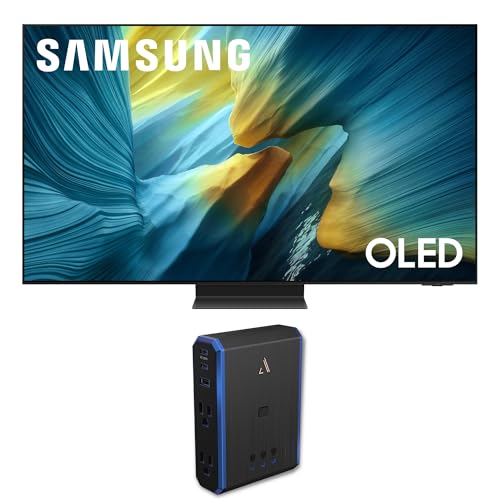
- Glare Free screen helps limit reflections
- Motion Xcelerator supports smooth sports action
- Includes an Austere power and charging accessory
Best For: Bright-room sports viewing with strong motion features
Best Newer Feature Set

- Brightness Booster and AI processing enhance picture detail
- 165Hz capability and 0.1ms response time target fast action
- Supports Dolby Vision, Dolby Atmos, G-SYNC, and FreeSync
Best For: Sports-and-gaming setups seeking newer LG features
Bright-Room Performance Pick – LG C5 OLED evo
The LG C5 OLED evo is a strong choice for shoppers seeking OLED televisions for sports in rooms where glare and changing light can be concerns. Its self-lit pixels, Brightness Booster technology, and AI processing are designed to keep fast-moving games detailed and vivid.
Best For: Sports fans who want a bright, feature-rich 65-inch OLED with strong motion and gaming support.
Pros:
- Brightness Booster technology and UL-verified Discomfort Glare Free performance suit brighter rooms.
- AI Super Upscaling enhances sports and other lower-resolution content.
- OLED Motion, a 0.1ms response time, and up to 144Hz support help maintain smooth action.
- Four HDMI 2.1 inputs, VRR, G-Sync, and FreeSync support connected gaming setups.
Cons:
- At 65 inches, it offers less screen area than the 77-inch alternatives here.
- Its many picture and gaming features may be more than casual viewers need.
The C5 stands out as a versatile sports-and-gaming display, especially when the TV will be used in a bright living space. Dolby Vision, Dolby Atmos, and webOS 25 add flexibility for broader home entertainment.
Large-Screen Motion Pick – Samsung S90F 77-Inch
For viewers prioritizing a big presentation, the 77-inch Samsung S90F is one of the more compelling OLED televisions for sports. Its NQ4 AI Gen3 processor is designed to sharpen content, smooth fast-moving balls and text, and support up to 4K at 144Hz for compatible gaming.
Best For: Large-room sports viewing where a 77-inch screen and enhanced motion processing are priorities.
Pros:
- 77-inch OLED screen provides an expansive view for group sports watching.
- AI processing upscales content to 4K and enhances brightness, contrast, and detail.
- Motion processing is specifically designed to reduce blur and flickering around fast-moving sports action.
- Supports VRR gaming up to 4K 144Hz and includes Dolby Atmos support.
Cons:
- Its large size requires substantial wall or furniture space.
- The listed 40-watt 2.1-channel audio may not replace a dedicated sound system in a large room.
The S90F is a particularly sensible pick when screen size matters most. Its sports-focused motion claims and advanced upscaling should help both live broadcasts and streamed content look cleaner, while the 144Hz capability adds gaming flexibility.
Balanced Mid-Size Pick – Sony BRAVIA XR8B OLED
The 55-inch Sony BRAVIA XR8B is a practical option among OLED televisions for sports when you want a more compact screen with dedicated motion processing. Sony’s XR OLED Motion is intended to reduce blur in fast action, while the XR Processor enhances color, contrast, and clarity in real time.
Best For: Smaller living rooms and viewers who value polished processing, streaming access, and a 55-inch format.
Pros:
- XR OLED Motion is designed for blur-free sports and action content.
- XR Processor enhances scene color, contrast, and clarity.
- Google TV brings major streaming apps together with voice search through Google Assistant.
- Supports Dolby Vision, Dolby Atmos, IMAX Enhanced, and DTS:X for broader entertainment use.
Cons:
- The 55-inch screen is smaller than the 65- and 77-inch options in this roundup.
- Its 120Hz refresh rate is below the 144Hz specification of the Samsung S90F.
The XR8B is well suited to viewers who want a straightforward, polished smart-TV experience without moving up to a very large display. Its motion technology and upscaling support make it a capable choice for sports, while Google TV keeps streaming convenient.
Value Large-Screen Pick – Samsung S85F 77-Inch
The 77-inch Samsung S85F offers a spacious OLED canvas for sports without relying on the S90F’s higher 144Hz specification. Its NQ4 AI Gen2 processor upscales content, analyzes scenes for improved brightness and contrast, and works with Motion Xcelerator 120Hz to keep everyday viewing smooth.
Best For: Buyers who want a 77-inch OLED for sports, streaming, and gaming with AI-enhanced picture processing.
Pros:
- Large 77-inch display creates an immersive setting for live sports.
- NQ4 AI Gen2 processing upscales content using 20 neural networks.
- Scene-based brightness and contrast enhancement helps reveal picture detail.
- Pantone-validated color and Dolby Atmos support add versatility for general entertainment.
Cons:
- Its 120Hz refresh rate is lower than the S90F’s listed 144Hz.
- The listed 20-watt 2-channel audio may benefit from external audio in a large room.
The S85F is a sensible large-screen alternative for shoppers who want OLED contrast and AI-assisted enhancement across sports and streaming. It delivers the same 77-inch viewing scale as the S90F, with a more moderate 120Hz motion specification.
Compact Cinematic Pick – Sony BRAVIA 6 OLED
The 48-inch Sony BRAVIA 6 is a flexible choice for shoppers seeking OLED televisions for sports in a smaller room. Its 120Hz refresh rate, wide viewing angle, and OLED contrast help keep fast action clear while preserving detail from different seating positions.
Best For: Smaller rooms, varied seating arrangements, and viewers who want strong sports performance with Google TV features.
Pros:
- 120Hz refresh rate supports smoother sports motion.
- OLED pixels deliver pure blacks and strong contrast.
- Four HDMI 2.1 ports support 4K/120, VRR, ALLM, and SBTM.
- Two-position stand can raise the screen to accommodate a soundbar.
Cons:
- The 48-inch screen may feel small in a large viewing space.
- Its Google TV and Gemini features may be more than needed for viewers seeking a simple setup.
Sony adds Triluminos Pro for a wide range of natural-looking colors, plus automatic picture adjustment based on ambient light. It is a particularly well-rounded option when room size, seating flexibility, and connectivity matter as much as image quality.
Big-Screen Game-Day Choice – LG 83-Inch OLED B5
The 83-inch LG B5 is built for a more immersive sports setup, pairing a very large OLED screen with a 120Hz refresh rate and a 0.1ms response time. For fans shopping OLED televisions for sports, its size and motion-focused features make it suited to group viewing and fast action.
Best For: Large living rooms, dedicated home theaters, and households that also want strong console-gaming support.
Pros:
- 83-inch OLED screen creates an expansive game-day viewing experience.
- 120Hz refresh rate and 0.1ms response time help reduce blur during fast play.
- VRR, AMD FreeSync Premium, NVIDIA G-Sync, and four HDMI 2.1 inputs support gaming.
- Alpha 8 AI Processor Gen2 can automatically adjust picture and sound.
Cons:
- The very large size requires substantial wall or furniture space.
- Its 195.5-watt power consumption may matter to energy-conscious buyers.
Dolby Vision, HDR10, HLG, and Dolby Atmos round out the feature set, while webOS provides access to apps and more than 300 free LG Channels. The B5 is a strong fit when the priority is making sports feel larger than life without giving up gaming-oriented performance.
Simple Streaming Favorite – Roku Pro Series OLED
The 65-inch Roku Pro Series combines OLED contrast with a 120Hz refresh rate, making it a straightforward option among OLED televisions for sports. Its simple Roku interface, built-in free content, and sports-friendly motion features suit viewers who want quick access to games and streaming apps.
Best For: Households that prioritize easy streaming, clear sports motion, and a simple remote experience.
Pros:
- 120Hz refresh rate is designed to make sports look clearer.
- OLED produces vibrant colors and genuinely black screen areas.
- Roku Smart Picture Max automatically tunes the picture for what you watch.
- Backlit voice remote includes remote-finder functionality and Bluetooth headphone mode.
Cons:
- The 65-inch size may be too large for compact rooms.
- Its premium features may be unnecessary for buyers seeking only basic TV viewing.
Dolby Vision and Dolby Atmos add support for enhanced picture and sound, while FreeSync Premium, ALLM, and VRR extend its appeal to gamers. The tool-less two-height stand and cable-management system also make installation more adaptable.
Best for Bright Rooms – Samsung S95F 65-Inch OLED
For shoppers comparing OLED televisions for sports, the Samsung S95F stands out for its Glare Free screen and smooth-motion features. Its OLED HDR Pro, AI processing, and Motion Xcelerator support a vivid, fluid viewing experience, while the bundled Austere power product adds practical protection and charging functionality.
Best For: Sports fans watching in bright rooms who want strong motion handling and an included power accessory.
Pros:
- Glare Free display helps reduce distracting reflections.
- Motion Xcelerator supports smooth sports motion and up to 165Hz with compatible PC gaming.
- NQ4 AI Gen3 Processor provides AI picture and sound optimization, including 4K upscaling.
- Includes Dolby Atmos, OTS+, and Q-Symphony Pro audio features.
Cons:
- The listed 165Hz capability applies to compatible PC games; the display is also specified as 120Hz.
- The bundle adds a power accessory that may not be necessary for every buyer.
The S95F is a particularly practical pick when window glare is a concern. Its combination of OLED contrast, HDR enhancements, and motion technology makes it well suited to live sports, while the bundled power unit adds value for shoppers who want an all-in-one package.
Best Value Pick – LG C2 65-Inch OLED evo
The LG C2 remains a capable option among OLED televisions for sports, pairing self-lit OLED pixels with infinite contrast, deep blacks, and a 120Hz display. Its α9 Gen 5 AI Processor 4K adapts picture and sound settings, while VRR support and a dedicated Game Optimizer add flexibility for sports fans who also play games.
Best For: Buyers seeking a proven 65-inch OLED with strong contrast, 120Hz motion support, and versatile gaming features.
Pros:
- Self-lit OLED pixels deliver infinite contrast, deep blacks, and over a billion colors.
- 120Hz refresh rate and motion features help keep fast action fluid.
- Game Optimizer includes NVIDIA G-SYNC, FreeSync Premium, and VRR support.
- Dolby Vision IQ and Dolby Atmos support enhance compatible content.
Cons:
- It is a 2022 model, so it lacks some newer processing and brightness features.
- The glossy screen finish may be less suitable for rooms with strong reflections.
- The TV stand is sold separately.
The C2 is a balanced choice for shoppers who prioritize OLED contrast and broad feature support without needing the newest model. Its 120Hz panel and gaming-oriented motion tools make it a solid fit for sports and console use alike.
Best Newer Feature Set – LG C6 65-Inch OLED evo
The LG C6 is a newer contender among OLED televisions for sports, combining Brightness Booster technology with an a11 AI Processor Gen3 and over 8.3 million self-lit pixels. Its 165Hz refresh-rate capability, 0.1ms response time, and support for G-SYNC and FreeSync Premium make it especially appealing to viewers who want a TV for both live sports and gaming.
Best For: Buyers wanting a newer LG OLED with enhanced brightness, fast gaming performance, and broad HDR support.
Pros:
- Brightness Booster is designed to produce brighter visuals and vivid detail.
- 165Hz refresh rate, 0.1ms response time, G-SYNC, and FreeSync Premium suit fast action and gaming.
- Supports Dolby Vision, HDR10, HLG, Dolby Atmos, and Filmmaker Mode.
- webOS 2026 includes AI features and access to LG Channels with over 400 free channels.
Cons:
- The supplied specifications list the standard display refresh rate as 120Hz, so 165Hz use may depend on compatible content or connections.
- The glossy screen finish can reflect surrounding light.
- Advanced features may be more than casual sports viewers need.
The C6 is the strongest all-around performance option in this group for shoppers who want current-generation processing and gaming specifications. Its brightness and motion enhancements should translate well to sports, while Dolby Vision and AI picture tools add flexibility for other content.
How We Picked the Best OLED Televisions for Sports
We focused on the features that matter most during live sports: motion clarity, image processing, brightness, viewing angles, screen size, smart-TV usability, and audio support. We also considered the range of sizes and price tiers represented by these LG, Samsung, Sony, and Roku models. Refresh-rate claims can vary by input and picture mode, so buyers should verify the exact specifications for their preferred console, streaming device, or cable box.
Because sports broadcasts vary in quality, effective upscaling is important. A television that handles lower-resolution cable and streaming feeds well can look better in everyday use than a model judged only by native 4K performance.
Quick Comparison
- Best all-around choice: LG C5 Series offers a balanced combination of picture quality, smart features, gaming support, and size options.
- Best for a large room: Samsung S90F or S85F in 77 inches delivers an immersive image from a longer viewing distance.
- Best premium brightness and glare control: Samsung S95F is worth considering for bright rooms and daytime viewing.
- Best Sony option: BRAVIA XR8B emphasizes Sony processing and Google TV integration.
- Best value opportunities: Older LG C2 inventory can be appealing when sold at a substantial discount.
- Best simple smart-TV experience: Roku Pro Series suits viewers who prefer Roku’s familiar interface.
Key Buying Factors for OLED Televisions for Sports
Motion and Refresh Rate
Look for smooth motion processing and a high native refresh rate. These features can reduce blur during pans, racing, hockey, and soccer, although aggressive interpolation may create an unnatural look. Use a sports or custom picture mode and adjust processing to taste.
Brightness and Room Lighting
OLED contrast is excellent, but room lighting still matters. If you watch mostly during the day or opposite large windows, prioritize a brighter model, effective reflection handling, and a screen size that maintains impact without forcing an overly bright setting.
Size, Viewing Distance, and Angles
A 65-inch display is a versatile choice for many living rooms, while 77 or 83 inches can make distant seating feel more connected to the action. OLED’s wide viewing angles are useful when guests sit off-center, but measure your wall, stand, and seating layout before buying.
Broadcast Upscaling and HDR
Sports feeds are often compressed or below 4K resolution. Strong upscaling and clean image processing can matter more than headline HDR features. HDR support is still useful for compatible streams, but it will not improve every broadcast automatically.
Audio and Connectivity
For stadium-like sound, check for eARC, HDMI 2.1 inputs, Dolby Atmos support, and compatibility with your soundbar or receiver. Built-in speakers are convenient, but a separate audio system can improve commentary clarity and crowd ambience.
Who Should Buy Which OLED Televisions for Sports?
Choose LG’s C5 or C6 if you want a well-rounded, modern OLED for mixed sports, movies, streaming, and gaming. Choose Samsung’s S90F or S95F if brightness, vivid presentation, or glare control is a priority. Choose the S85F when a large 77-inch screen matters more than paying for the highest-end panel features.
Choose Sony’s BRAVIA models if you value Sony’s processing style and Google TV. The 48-inch option works well in a bedroom, office, or compact viewing space. Choose LG’s 83-inch B5 for maximum scale when seating is far enough away to benefit from it. Choose Roku’s Pro Series for a straightforward interface, while the older LG C2 makes sense only when its price clearly undercuts newer alternatives.