Serious gaming needs more than raw speed—it needs stable, low-lag coverage across every room. The best mesh Wi‑Fi systems for gaming can keep your console, PC, and streaming devices connected without dead zones or constant drops.
Below, we focus on systems that balance fast wireless performance, strong backhaul options, and gamer-friendly features so you can choose the right setup for your home and play style.
Best 10 Mesh Wi-Fi Systems for Gaming Picks for 2026
Premium Gaming Mesh
ASUS ROG Rapture GT6 AX10000 Tri-Band
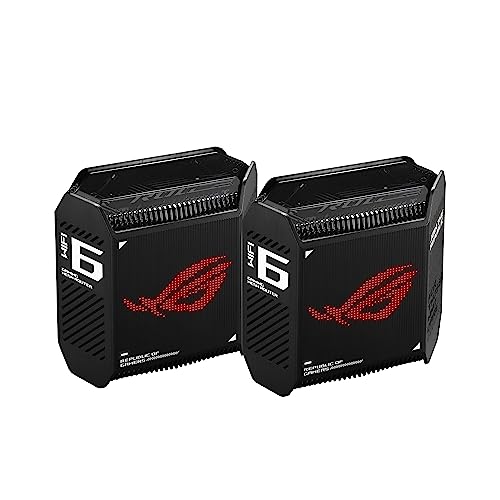
- Tri-band WiFi 6 with dedicated gaming backhaul
- Up to 10,000 Mbps and 2.5 Gbps wired port
- Covers up to 5,800 sq ft with 9 antennas
Best For: High-end gaming homes that want fast mesh Wi‑Fi and wired performance
Budget Wi‑Fi Booster
10,000 Sq.Ft Extender with Mesh Mode

- Claims up to 10,000 sq. ft. of coverage
- Supports 65+ devices with 1-tap setup
- Includes Ethernet port and multiple modes
Best For: Homes that need an easy coverage boost, not a true mesh upgrade
Best Value Wi‑Fi 6E Mesh
TP-Link Deco XE75 Tri-Band 3-Pack

- WiFi 6E tri-band mesh with 6 GHz backhaul
- Covers up to 7,200 sq. ft. and 200 devices
- Up to 5,400 Mbps with app-based setup
Best For: Gamers wanting a modern tri-band mesh with cleaner 6 GHz connectivity
Next-Gen Gaming Mesh
NETGEAR Orbi 370 WiFi 7 3-Pack

- WiFi 7 mesh with up to 5 Gbps speeds
- Covers up to 6,000 sq. ft. and 70 devices
- Enhanced backhaul and built-in security features
Best For: Large homes that want a Wi‑Fi 7 mesh system for gaming and streaming
Editor’s Choice
TP-Link Deco BE63 WiFi 7 Mesh for Large Homes

- Wi-Fi 7 tri-band speeds up to 5,188 Mbps on 6 GHz
- 2-pack covers up to 5,800 sq. ft. and 200+ devices
- Four 2.5G WAN/LAN ports plus USB 3.0
Best For: Large-home gaming and fast wired backhaul
Premium Pick
NETGEAR Orbi 770 WiFi 7 Mesh System

- Up to 11 Gbps Wi-Fi 7 speeds
- 3-pack covers up to 8,000 sq. ft.
- Tri-band with enhanced backhaul
Best For: Premium whole-home gaming coverage
Value Pick
Deco 7 Dual-Band WiFi 7 Mesh for Gaming

- Dual-band Wi-Fi 7 up to 4,324 Mbps on 5 GHz
- Covers up to 6,600 sq. ft. and 150+ devices
- 2.5G Ethernet and AI-Roaming included
Best For: Budget-conscious Wi-Fi 7 gaming coverage
Tri-Band 6E Value Pick
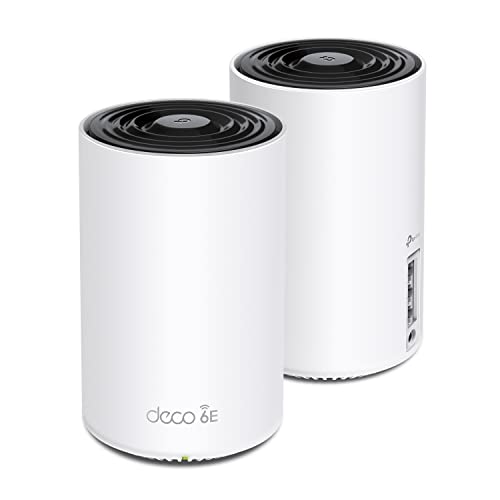
- Wi‑Fi 6E tri-band with 6 GHz backhaul
- Covers up to 5,500 sq. ft. and 200 devices
- AI-driven mesh with HomeShield security
Best For: Gamers wanting stable coverage and easy setup
Wi-Fi 7 Performance Upgrade
Deco 7 Pro Wi‑Fi 7 3-Pack Mesh

- Wi‑Fi 7 tri-band with up to 10,000 Mbps
- 10G port plus four 2.5G ports
- Covers up to 7,600 sq. ft. and 200+ devices
Best For: High-performance gaming homes needing future-ready speed
Wired-Backhaul Gaming Choice

- Wi‑Fi 6E tri-band with 6 GHz band
- 2.5G WAN/LAN ports support wired backhaul
- Up to 4.9 Gbps and 200 devices
Best For: Gamers wanting wired backhaul and strong 6E performance
Premium Gaming Mesh – ASUS ROG Rapture GT6 AX10000 Tri-Band
If you want mesh Wi-Fi systems for gaming with serious headroom, the ASUS ROG Rapture GT6 is built around tri-band WiFi 6, a dedicated high-performance backhaul, and 160 MHz channels for fast, stable networking. It also adds 2.5 Gbps wired connectivity and game-focused traffic optimization, making it a strong fit for performance-first homes.
Best For: Gamers who want a high-end mesh system with fast wireless performance, wired bandwidth, and built-in security.
Pros:
- Tri-band WiFi 6 with a dedicated high-performance backhaul for smoother mesh performance
- Up to 10,000 Mbps speeds with 160 MHz channels and a 1.7GHz tri-core processor
- Covers up to 5,800 square feet with nine internal antennas and RangeBoost Plus
- 2.5 Gbps WAN port plus LAN aggregation for faster wired connections
Cons:
- Coverage is strong, but it is still below some larger multi-pack systems
- Features are heavily gaming-oriented, which may be more than casual users need
This is a premium mesh pick for gamers who want low-friction performance across wireless and wired devices. The combination of tri-level game acceleration and lifetime security support makes it a well-rounded choice for a demanding home network.
Budget Wi‑Fi Booster – 10,000 Sq.Ft Extender with Mesh Mode
For shoppers comparing mesh Wi-Fi systems for gaming on a budget, this extender focuses on simple coverage expansion rather than premium mesh hardware. It offers 4 external antennas, a 2.4GHz ultra-core processor, and multiple operating modes, so it can help reduce dead zones and keep devices connected more consistently.
Best For: Users who mainly need an easy-to-set-up Wi‑Fi extender for larger homes and extra device coverage.
Pros:
- Claims up to 10,000 sq. ft. of coverage with 360° signal reach
- Supports 65+ devices and works with 99% of WiFi routers
- 1-tap WPS setup plus Repeater, Client, AP, Bridge, and Router modes
- Includes an Ethernet port for a wired connection option
Cons:
- It is a WiFi extender, not a true multi-node mesh system
- 2.4GHz-focused processing is less specialized for top-end gaming performance
This is best viewed as a practical range booster for homes that need broader coverage and simple setup. If your main goal is gaming stability through whole-home mesh architecture, this is more of an accessory than a full replacement system.
Best Value Wi‑Fi 6E Mesh – TP-Link Deco XE75 Tri-Band 3-Pack
The TP-Link Deco XE75 is a strong contender in mesh Wi-Fi systems for gaming if you want next-gen features without jumping straight to WiFi 7. Its 6 GHz band can be used as backhaul by default, and the tri-band design is built to reduce interference, improve stability, and keep lots of devices connected smoothly.
Best For: Households that want fast, stable tri-band mesh Wi‑Fi with a 6 GHz band for cleaner gaming traffic.
Pros:
- WiFi 6E tri-band mesh covers up to 7,200 sq. ft.
- 6 GHz band helps reduce interference and can serve as backhaul
- Supports up to 200 devices with speeds up to 5,400 Mbps
- App setup, Alexa support, and HomeShield security features
Cons:
- WiFi 6E benefits require compatible devices to fully use the 6 GHz band
- Some security and reporting features are basic unless you need premium tools
This model balances modern mesh performance, broad coverage, and security in a way that makes sense for most gaming homes. If you want a cleaner wireless environment and easy management, it is an especially sensible pick.
Next-Gen Gaming Mesh – NETGEAR Orbi 370 WiFi 7 3-Pack
If you want mesh Wi-Fi systems for gaming that are ready for newer devices, the NETGEAR Orbi 370 brings WiFi 7 speeds and enhanced backhaul in a whole-home 3-pack. It is designed for fast, reliable coverage across large spaces and supports multiple devices at once without slowing the network down.
Best For: Larger homes that want WiFi 7 mesh coverage with simple setup and room to grow.
Pros:
- WiFi 7 mesh system with speeds up to 5 Gbps
- Covers up to 6,000 sq. ft. and supports up to 70 devices
- Enhanced backhaul helps keep WiFi fast across multiple devices
- Orbi app setup, automatic firmware updates, and built-in security features
Cons:
- Dual-band design may appeal less than tri-band systems for some heavy users
- Best performance depends on your internet plan and device compatibility
This is a forward-looking option for buyers who want strong whole-home coverage and the latest WiFi 7 platform. For gaming-focused households, the appeal is more about speed, stability, and future-proofing than niche tuning.
Editor’s Choice – TP-Link Deco BE63 WiFi 7 Mesh for Large Homes
If you want mesh Wi-Fi systems for gaming with plenty of headroom, the TP-Link Deco BE63 is built for fast whole-home coverage, strong wired backhaul options, and Wi-Fi 7 speeds that can keep up with demanding streaming and AR/VR play. Its tri-band design and 10G-class networking make it a practical pick for busy homes that need low-friction performance across multiple rooms.
Best For: Gamers and power users who want a future-ready mesh system for large homes, wired backhaul, and high device counts.
Pros:
- Tri-band Wi-Fi 7 with up to 5,188 Mbps on 6 GHz for high-speed gaming and streaming.
- 2-pack covers up to 5,800 sq. ft. and supports over 200 devices.
- Four 2.5G WAN/LAN ports plus a USB 3.0 port for flexible wired networking.
- AI-Roaming and a unified network name help devices stay connected as you move around.
Cons:
- Backhaul requires at least two Deco units.
- Performance can vary with distance and obstacles like walls.
- All Wi-Fi routers require a separate modem.
Overall, the BE63 stands out if your gaming setup shares bandwidth with lots of other devices and you want a mesh system that emphasizes speed, coverage, and wired expansion.
Premium Pick – NETGEAR Orbi 770 WiFi 7 Mesh System
The NETGEAR Orbi 770 is a strong fit for mesh Wi-Fi systems for gaming when you want wide coverage, high Wi-Fi 7 speeds, and simple management. With tri-band technology and enhanced backhaul, it is designed to keep multiple devices moving at once without turning your home network into a bottleneck.
Best For: Households that want premium whole-home coverage for gaming, streaming, and lots of simultaneous devices.
Pros:
- Up to 11 Gbps Wi-Fi 7 speeds for gaming, VR, and 8K streaming.
- 3-pack covers up to 8,000 sq. ft. and supports up to 100 devices.
- Tri-band design with enhanced backhaul helps keep speeds steady across the home.
- Orbi app setup makes installation and guest network management straightforward.
Cons:
- Designed for use in the US only.
- Actual coverage varies by layout, materials, and satellite placement.
- Armor security requires a separate subscription after the trial.
If your priority is broad coverage with a premium feature set, the Orbi 770 is a polished mesh option that can handle gaming and family traffic at the same time.
Value Pick – Deco 7 Dual-Band WiFi 7 Mesh for Gaming
The Deco 7 Dual-Band BE5000 is a more affordable route into mesh Wi-Fi systems for gaming, especially if you want Wi-Fi 7 features without going all the way to a tri-band flagship. It still brings fast 5 GHz speeds, broad coverage, and wired traffic balancing to help keep everyday gaming and streaming responsive.
Best For: Buyers who want an easier entry into Wi-Fi 7 mesh for gaming and whole-home coverage.
Pros:
- Dual-band Wi-Fi 7 with up to 4,324 Mbps on 5 GHz for gaming and streaming.
- Covers up to 6,600 sq. ft. and supports over 150 devices.
- Wi-Fi 7 plus 2.5G Ethernet help balance traffic between Deco units.
- Includes AI-Roaming and a single network name for smoother movement around the home.
Cons:
- Backhaul requires at least two Deco units.
- Performance varies with distance and obstacles like walls.
- All Wi-Fi routers require a separate modem.
This model makes sense if you want broad mesh coverage and Wi-Fi 7 upgrades for gaming without paying for extra bands you may not need.
Tri-Band 6E Value Pick – TP-Link Deco XE75 2-Pack Mesh
If you want mesh Wi-Fi systems for gaming that focus on stable coverage more than flashy extras, the TP-Link Deco XE75 is a strong fit. Its Wi‑Fi 6E tri-band design adds a 6 GHz band that can act as a dedicated backhaul by default, helping reduce interference and keep gameplay steadier across a large home.
Best For: Gamers who want reliable whole-home coverage, low-interference tri-band performance, and simple app-based setup.
Pros:
- Wi‑Fi 6E tri-band system with a 6 GHz band for cleaner connections and stable node backhaul
- Covers up to 5,500 sq. ft. and supports up to 200 devices
- AI-driven mesh and Deco app make setup and roaming simple
- Includes HomeShield security features, parental controls, and QoS
Cons:
- Only a 2-pack, so the largest homes may need expansion
- Requires a separate modem for most internet providers
- Wired networking options are solid, but not as future-proof as 10G models
The XE75 is a practical gaming-focused mesh option if you want smoother coverage without moving into the pricier Wi‑Fi 7 tier. It balances speed, range, and easy management well for most households.
Wi-Fi 7 Performance Upgrade – Deco 7 Pro Wi‑Fi 7 3-Pack Mesh
For mesh Wi-Fi systems for gaming that prioritize top-end speed and wired flexibility, the Deco 7 Pro is the most performance-forward option here. It uses Wi‑Fi 7, tri-band connectivity, and a 10G WAN/LAN port to support demanding homes with lots of devices and heavy traffic.
Best For: Performance-focused homes, gaming setups, and users who want future-ready wired and wireless networking.
Pros:
- Wi‑Fi 7 tri-band speeds up to 10,000 Mbps with 6-stream design
- 3-pack covers up to 7,600 sq. ft. and supports over 200 devices
- Includes a future-ready 10G WAN/LAN port plus four 2.5G WAN/LAN ports and USB 3.0
- AI-roaming, wired/wireless backhaul, and HomeShield add stability and security
Cons:
- Likely overkill if you only need basic gaming coverage
- Backhaul requires at least two Deco units to take full advantage
- Requires a separate modem
This is the strongest pick if your priority is pushing a mesh network hard for gaming, streaming, and wired devices at the same time. It’s built for homes that want room to grow into faster internet speeds.
Wired-Backhaul Gaming Choice – TP-Link Deco XE70 Pro 3-Pack
The TP-Link Deco XE70 Pro is a smart middle ground in mesh Wi-Fi systems for gaming, especially if you care about fast wired links as much as wireless performance. Its tri-band Wi‑Fi 6E design, 2.5G WAN/LAN ports, and support for wireless plus wired backhaul make it well suited to busy homes with consoles, PCs, and plenty of connected gear.
Best For: Gamers who want strong whole-home coverage, 2.5G wired connectivity, and a more affordable step into Wi‑Fi 6E mesh.
Pros:
- Wi‑Fi 6E tri-band with a congestion-free 6 GHz band
- Up to 4.9 Gbps speed and support for up to 200 devices
- 2.5G WAN/LAN ports on each unit for gaming PCs and fast wired backhaul
- Works with wireless and wired backhaul together for better overall performance
Cons:
- Coverage is lower per the notes at up to 2,900 sq. ft. for the system
- Requires a separate modem
- Not as fast on paper as Wi‑Fi 7 alternatives
If you want a gaming-friendly mesh that emphasizes stable wired connections and broad device support, the XE70 Pro is easy to recommend. It gives you a strong balance of speed, backhaul flexibility, and simple app-based control.
How We Picked the Best Mesh Wi-Fi Systems for Gaming
We prioritized whole-home systems that combine strong real-world throughput with low latency, reliable multi-node roaming, and enough bandwidth for gaming plus 4K/8K streaming. For mesh Wi‑Fi systems for gaming, stable backhaul and solid wired port options matter just as much as headline speeds.
We also considered coverage claims, Wi‑Fi generation, band layout, setup simplicity, and whether the system includes features that help reduce congestion during multiplayer sessions.
Quick Comparison: What Matters Most
Wi‑Fi 7 systems are the most future-ready, especially for households with multiple gamers or fast internet plans. Wi‑Fi 6E remains an excellent value if you want strong performance and access to the 6 GHz band without paying a premium. Dual-band mesh can work for lighter use, but tri-band models are usually better for gaming because they dedicate more capacity to backhaul.
If you use a gaming PC, console, or Ethernet-friendly streamer, look closely at the number and speed of LAN/WAN ports on each node. A wired backhaul can make a major difference in consistency.
Key Buying Factors for Mesh Wi‑Fi Systems for Gaming
Latency and Backhaul Quality
Low ping and stable packet delivery are the priorities. Tri-band and Wi‑Fi 7 systems often perform better under load because they can keep node-to-node communication from competing too heavily with your game traffic.
Coverage and Node Placement
Choose a system sized for your home, not just your internet plan. Bigger homes, thick walls, and multiple floors usually benefit from three nodes or more.
Wired and Wireless Flexibility
Ethernet ports are useful for consoles, gaming PCs, and wired backhaul. If your home wiring allows it, backhaul via Ethernet can dramatically improve reliability.
Band Support and Device Load
6 GHz support can help reduce interference in busy homes, while more streams and stronger chipset design help when many devices are active at once. That is especially important for mesh Wi‑Fi systems for gaming where one person’s match should not be affected by another person’s streaming.
Who Should Buy Which Mesh Wi-Fi Systems for Gaming?
Competitive gamers and performance-focused households should lean toward Wi‑Fi 7 tri-band systems with high-speed ports and wired backhaul support. Families in medium-sized homes will often get the best value from a strong Wi‑Fi 6E tri-band setup. If you only need to fix dead zones and your gaming demands are modest, a simpler mesh or extender-style solution may be enough, but it will usually offer less consistency under load.
In short, match the system to your home size, internet speed, and number of active devices. That is the fastest way to get smoother gameplay and fewer connection headaches.