The right telephoto lens can bring distant subjects closer, isolate performers from busy backgrounds, and create distinctive compressed perspective in film and video. This roundup covers ten options across Canon EF, Canon RF, Sony E, Nikon APS-C, and smartphone setups.
Because these lenses vary widely in reach, autofocus, stabilization, aperture, and handling, the best choice depends on your camera system and the way you shoot. Use the guide below to narrow the field before buying.
Best 10 Telephoto Camera Lenses for Filmmaking Picks for 2026
Classic Canon Reach
Canon EF 100-400mm L Telephoto Zoom

- 100-400mm range for distant subjects and portraits
- Two optical image stabilizer modes
- Compatible with Canon EF extenders
Best For: Canon SLR filmmakers needing stabilized long-range zoom
Lightweight APS-C Performer
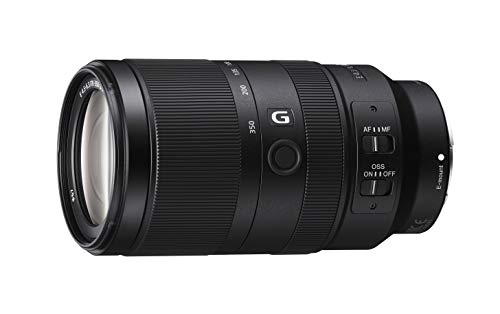
- 70-350mm zoom with 105-525mm equivalent reach
- Quiet XD linear motor autofocus
- Optical SteadyShot in a lightweight design
Best For: Sony APS-C filmmakers wanting portable telephoto coverage
One-Lens Versatility
Tamron 18-400mm All-in-One Zoom

- 22.2x range from 18mm to 400mm
- 620mm full-frame-equivalent reach on APS-C
- VC stabilization and moisture-resistant construction
Best For: Nikon APS-C run-and-gun and travel filmmakers
Accessible Long-Reach Pick

- 75-300mm zoom for Canon RF cameras
- Servo AF and pupil detection support tracking
- No image stabilization; f/4-5.6 aperture
Best For: Canon RF users filming distant subjects in good light
Smartphone Distance Specialist

- 28x reach for iPhone, Samsung, and other phones
- Wider view helps with framing distant subjects
- Manual focus and phone-dependent results
Best For: Mobile creators filming concerts, sports, and wildlife
Classic DSLR Value Option

- 75-300mm 4x zoom for Canon EF DSLRs
- Autofocus uses a micromotor system
- No stabilization and a 1.5m close-focus distance
Best For: Canon DSLR users filming distant subjects outdoors
Mobile Filmmaking Closer
iOgrapher 37mm 2X Telephoto Lens
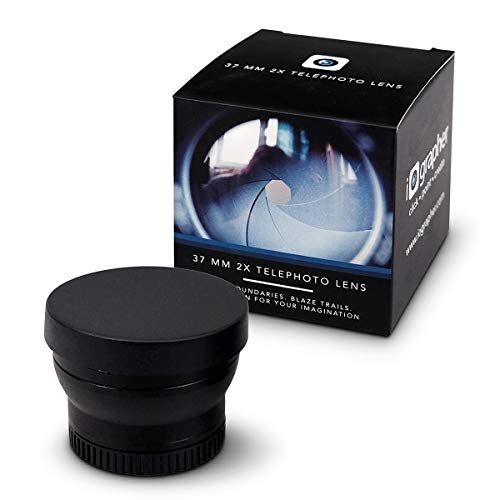
- 2X telephoto attachment for phones and tablets
- Compact metal body with carrying bag
- Requires a compatible 37mm iOgrapher case
Best For: Mobile creators filming concerts, sports, travel, and vlogs
Versatile Canon Zoom Value
Canon EF 75-300mm Telephoto Zoom

- 75-300mm range for flexible telephoto framing
- DC autofocus motor for compatible Canon EF SLRs
- Renewed model with a 90-day limited warranty
Best For: Canon SLR filmmakers needing an affordable general telephoto zoom
Extreme Reach Manual Specialist
JINTU 420-1600mm Telephoto Zoom

- 420-800mm lens with included 2X teleconverter
- Manual focus only with no image stabilization
- Metal construction and extensive included accessories
Best For: Experienced Canon users filming wildlife, birds, the moon, and airplanes
Classic Canon Reach – Canon EF 100-400mm L Telephoto Zoom
Canon EF 100-400mm f/4.5-5.6L is USM Telephoto Zoom Lens for Canon SLR Cameras
Check Price On AmazonFor filmmakers using Canon SLR cameras, this 100-400mm zoom provides flexible telephoto reach for distant action, wildlife-style footage, and compressed portraits. Optical image stabilization and Canon L-series glass make it a practical option when you need reach without changing lenses.
Best For: Canon SLR filmmakers who need stabilized long-range zoom coverage.
Pros:
- 100-400mm zoom range supports both distant subjects and tighter portraits.
- Two image stabilizer modes help with handheld telephoto shooting.
- Fluorite and Super UD elements help reduce secondary spectrum.
- Compatible with Canon Extender EF 1.4x II and 2x II accessories.
Cons:
- The f/4.5-5.6 maximum aperture is relatively slow, especially at the long end.
- At approximately 1,380 g, it may feel heavy for extended handheld filming.
- It is designed for Canon EF SLR cameras rather than Sony E or Nikon F systems.
This lens is a strong fit for Canon users prioritizing reach and stabilization. Its variable aperture and substantial weight are worth considering if you regularly shoot in low light or work handheld for long periods.
Lightweight APS-C Performer – Sony E 70-350mm G OSS Lens
This Sony E telephoto zoom is a compelling choice for filmmakers using APS-C cameras and needing substantial reach in a relatively light package. Its 70-350mm range, quiet XD linear motor, and Optical SteadyShot stabilization suit moving subjects and handheld telephoto work.
Best For: Sony APS-C filmmakers seeking portable, stabilized reach with quiet autofocus.
Pros:
- 5x 70-350mm zoom provides a 105-525mm full-frame-equivalent range.
- XD linear motor supports fast, precise, and quiet autofocus tracking.
- Optical SteadyShot image stabilization assists handheld filming.
- At about 22 ounces, it is easier to handle than many long telephoto zooms.
Cons:
- The f/4.5-6.3 aperture range limits light-gathering ability.
- Compatibility is listed for Sony APS-C E-mount cameras, not full-frame systems as a native APS-C option.
- The zoom reaches 350mm rather than 400mm or beyond.
For Sony APS-C setups, this lens balances reach, stabilization, and portability well. It is best suited to daylight or well-lit productions where its variable aperture is less restrictive.
One-Lens Versatility – Tamron 18-400mm All-in-One Zoom
For Nikon APS-C filmmakers who value flexibility, this Tamron zoom covers everything from wide 18mm framing to 400mm super-telephoto reach. Its optical VC stabilization, moisture-resistant construction, and close-focusing capability make it useful for travel, documentary, and run-and-gun production.
Best For: Nikon APS-C filmmakers who want one lens for wide shots, telephoto coverage, and close-ups.
Pros:
- 22.2x 18-400mm range reduces the need to change lenses.
- Provides a 620mm full-frame-equivalent telephoto reach on APS-C.
- VC optical stabilization supports telephoto shooting.
- Moisture-resistant construction and up to 0.26x magnification add practical versatility.
Cons:
- The f/3.5-6.3 aperture range is limiting in low-light scenes.
- Its broad all-in-one range prioritizes convenience over a fast, specialized aperture.
- It is intended for Nikon F DX cameras rather than Canon or Sony mounts.
This is a practical travel and documentary lens when changing lenses is inconvenient. Its exceptional range is the main attraction, while the slow long-end aperture makes controlled lighting or daylight shooting preferable.
Mobile Telephoto Option – NEEWER HD 85mm Phone Lens
This NEEWER 85mm attachment brings a 2.5x optical telephoto effect to compatible smartphones, making it a compact option for mobile filmmaking. Its 17mm threaded mount, manual focus, and front filter thread support more controlled phone-based shooting setups.
Best For: Smartphone filmmakers using a compatible 17mm threaded case or cage.
Pros:
- 2.5x optical zoom helps bring distant subjects closer than the phone camera alone.
- Eight elements in six groups are designed for clear, sharp close-ups.
- Standard M72 x 0.75 front thread accepts ND, VND, CPL, UV, and effect filters.
- Aluminum alloy construction is described as rugged, rust-resistant, and scratch-resistant.
Cons:
- Requires a 17mm threaded phone case or cage, which is not included.
- Manual focus and manual exposure control may require more setup than a built-in phone camera.
- It is not water resistant and is not intended for clip-on mounting.
This lens makes the most sense for mobile rigs that already use a compatible 17mm threaded mount. It offers useful reach and filter compatibility, but mounting requirements and manual operation should be confirmed before purchase.
Accessible Long-Reach Pick – Canon RF75-300mm F4-5.6
Canon RF75-300mm F4-5.6, Telephoto Zoom Lens, Compatible with EOS R Series Mirrorless Cameras, Black
Check Price On AmazonFor filmmakers seeking telephoto camera lenses for filmmaking on Canon EOS R series mirrorless cameras, the RF75-300mm offers a broad 4x zoom range at an approachable price. Its long focal lengths can help isolate subjects and create background compression, though the lens does not include image stabilization.
Best For: Canon RF users filming sports, wildlife, and distant subjects in good light.
Pros:
- 75-300mm range, equivalent to approximately 120-480mm on APS-C bodies.
- Servo AF and pupil detection can track subjects at the telephoto end.
- Long focal lengths support background blur and compressed perspective.
- Portable, lightweight design for a lens in this range.
Cons:
- No built-in image stabilization.
- Maximum aperture narrows from f/4 to f/5.6, which may be limiting in dim conditions.
- Not water resistant.
The RF75-300mm is a practical entry point for Canon mirrorless filmmakers who need reach without carrying a larger professional zoom. Plan on using adequate light or additional stabilization for smoother handheld footage.
Smartphone Distance Specialist – MIAO LAB 28X HD Telephoto
For mobile creators comparing telephoto camera lenses for filmmaking, the MIAO LAB 28X HD Telephoto Lens provides a compact way to bring distant subjects closer with a smartphone. Its universal clip and manual focus design suit casual outdoor shooting, observation, and travel, although results can vary by phone model.
Best For: Smartphone filmmakers capturing concerts, sports, wildlife, and travel scenes from a distance.
Pros:
- 28x magnification provides substantial reach for compatible smartphones.
- Wider viewing design makes distant subjects easier to frame.
- Field-of-view ring is designed to reduce edge darkening.
- Compact clip-on body can also function as a monocular telescope.
Cons:
- Manual focus requires more hands-on operation.
- Edge-darkening performance may vary by phone model.
- Clip-on alignment and smartphone compatibility can affect results.
This lens is best viewed as a portable smartphone accessory rather than a replacement for a dedicated camera telephoto. It can be useful when convenience and extreme reach matter more than fully controlled cinematic optics.
Classic DSLR Value Option – Canon EF 75-300mm III
The Canon EF 75-300mm f/4-5.6 III is a straightforward choice for DSLR owners looking at telephoto camera lenses for filmmaking. It provides a familiar 75-300mm zoom range and autofocus through a micromotor, making it suitable for reaching distant subjects when paired with a Canon EF-compatible camera.
Best For: Canon DSLR filmmakers who want an affordable 4x telephoto zoom for outdoor work.
Pros:
- 75-300mm range offers useful reach for sports, wildlife, and distant scenes.
- 4:1 zoom ratio supports flexible composition without changing lenses.
- Autofocus is provided through a micromotor system.
- Super Spectra coating is included.
Cons:
- No image stabilization.
- Closest focusing distance is 1.5m, or about 4.9 feet.
- f/4-5.6 maximum aperture is less suited to low-light shooting.
This lens makes the most sense for Canon EF DSLR users who prioritize reach and price over stabilization or advanced focusing features. For steadier filmmaking, plan to use a tripod, monopod, or other support.
Mobile Filmmaking Closer – iOgrapher 37mm 2X Telephoto Lens
The iOgrapher 37mm 2X Telephoto Lens is a compact attachment for iOgrapher filmmaking cases, giving phones and tablets a closer-looking perspective for video. It is a practical option among telephoto camera lenses for filmmaking when portability and simple manual operation matter.
Best For: Smartphone and tablet filmmakers shooting concerts, sports, travel, vlogs, and other subjects from a distance with a compatible iOgrapher case.
Pros:
- 2X telephoto effect for mobile video and photography.
- Compact metal construction with included lens cap and carrying bag.
- Manual focus and optical stabilization are listed in the specifications.
Cons:
- Requires a compatible iOgrapher case with a 37mm filter mount, sold separately.
- Designed for mobile devices rather than conventional interchangeable-lens cameras.
This lens makes sense for creators already using an iOgrapher case who want a lightweight way to make distant subjects appear closer. Confirm case compatibility before buying.
Versatile Canon Zoom Value – Canon EF 75-300mm Telephoto Zoom
Canon EF 75-300mm f/4-5.6 III Telephoto Zoom Lens for Canon SLR Cameras, 6473A003 (Renewed)
Check Price On AmazonThe renewed Canon EF 75-300mm f/4-5.6 III provides a broad telephoto range for Canon SLR cameras, making it a straightforward choice for filmmakers who need framing flexibility without changing lenses. Its autofocus motor and 4:1 zoom range add convenience for compatible Canon EF bodies.
Best For: Canon SLR users who need an affordable telephoto zoom for distant subjects, outdoor scenes, sports, or general-purpose video and photography.
Pros:
- 75-300mm focal-length range supports varied telephoto compositions.
- DC autofocus motor and automatic exposure control are included.
- Lightweight design at 16.8 ounces with a 4.9-foot minimum focus distance.
Cons:
- This renewed model includes a 90-day limited warranty.
- The supplied specifications list a maximum aperture of f/4-5.6, which may be limiting in low light.
- It is compatible with Canon EF SLR mounts, not broadly interchangeable across camera systems.
For Canon SLR filmmakers wanting a familiar zoom range and autofocus convenience, this renewed lens is a practical entry-level option. Check your camera’s EF compatibility and the renewed condition before ordering.
Extreme Reach Manual Specialist – JINTU 420-1600mm Telephoto Zoom
The JINTU 420-1600mm telephoto zoom is built for exceptionally distant subjects and Canon EF/EF-S cameras. Its long reach can suit specialized filmmaking setups, but the manual-only focus, narrow f/8.3-16 aperture range, and lack of image stabilization require careful support and operation.
Best For: Experienced Canon users filming wildlife, birds, the moon, airplanes, or other subjects that demand extreme focal length.
Pros:
- 420-800mm range with an included 2X teleconverter for up to 1600mm.
- Full metal construction and multi-coated low-dispersion glass elements.
- Includes a lens pouch, protective caps, hood, T-mount adapter, and cleaning cloth.
Cons:
- Manual focus only; it must be used in Manual mode and may display F00.
- No image stabilization is listed.
- The f/8.3-16 aperture range can make low-light filmmaking more demanding.
This is a specialist lens for maximum reach rather than quick, flexible production work. Choose it when distant-subject access outweighs autofocus, stabilization, and low-light convenience.
How We Picked These Telephoto Camera Lenses for Filmmaking
We selected lenses and adapters that represent the main ways filmmakers capture distant subjects: versatile DSLR and mirrorless zooms, compact crop-sensor options, budget Canon EF lenses, manual super-telephoto glass, and smartphone add-ons. We considered focal-length range, compatibility, optical stabilization, focusing behavior, maximum aperture, size, and practical value for video work.
These products are not interchangeable. A stabilized Sony E lens may suit handheld wildlife footage, while a manual 420-1600mm lens is better reserved for controlled tripod shots. Smartphone telephoto accessories can add framing flexibility, but their results depend heavily on the phone, alignment, mounting system, and lighting.
Quick Comparison
| Best For | Look For | Most Suitable Options |
|---|---|---|
| Full-frame Canon DSLR | EF mount, stabilization, reliable autofocus | Canon EF 100-400mm |
| Canon EOS R mirrorless | RF mount and native compatibility | Canon RF 75-300mm |
| Sony APS-C | Native E mount and compact reach | Sony E 70-350mm G OSS |
| Budget DSLR filmmaking | Low price and familiar EF or compatible mounts | Canon EF 75-300mm models |
| Extreme distant subjects | Very long range, tripod use, manual focus | JINTU 420-1600mm |
| Phones and mobile rigs | Threaded or universal mounting | NEEWER, MIAO LAB, iOgrapher |
Key Buying Factors for Telephoto Camera Lenses for Filmmaking
Mount and Sensor Coverage
Confirm the lens mount before considering anything else. EF lenses fit compatible Canon DSLRs and some adapted mirrorless bodies; RF lenses are designed for Canon EOS R cameras; Sony E lenses fit Sony mirrorless cameras. Crop-sensor bodies also change the effective field of view, increasing apparent reach but making camera movement and vibration more noticeable.
Focal Length and Aperture
A 70-300mm or 100-400mm zoom is generally more practical than an extreme super-telephoto lens for changing compositions. Long lenses often have narrower maximum apertures, so plan for brighter locations, higher ISO, or additional lighting. A wider aperture also helps maintain subject separation and keeps shutter speeds high enough for moving subjects.
Stabilization, Focus, and Support
Optical or in-body stabilization can improve handheld footage, but it cannot fully replace a monopod, tripod, or fluid head at extreme focal lengths. For filmmaking, quiet autofocus and controlled manual-focus operation matter as much as still-photo sharpness. Check whether focus breathing, zoom creep, or a rotating front element could affect your setup.
Who Should Buy Which Telephoto Camera Lenses for Filmmaking?
Choose the Canon EF 100-400mm for a capable, flexible option on a Canon DSLR, especially for wildlife, sports, and outdoor productions. Sony APS-C users should consider the 70-350mm G OSS when native autofocus, stabilization, and a relatively manageable setup are priorities.
The Canon RF 75-300mm is the straightforward fit for EOS R owners, while the standard EF 75-300mm options make sense for beginners working within a tight budget. The Tamron 18-400mm is useful when one lens must cover everyday shots and distant subjects on a compatible Nikon APS-C DSLR, though its broad range involves aperture compromises.
Pick the JINTU only if you genuinely need extreme reach and can work manually from solid support. Smartphone lenses from NEEWER, MIAO LAB, and iOgrapher are best for casual mobile filmmaking or compact rigs rather than demanding professional productions. Before ordering, verify thread size, phone-camera alignment, case clearance, and whether the accessory covers your intended camera lens without vignetting.