The right vocal mic depends on where you sing, how you perform, and what you plug into. A handheld mic for a loud stage has different demands from one used for close-up studio recording.
These 10 Shure options span wired and wireless handhelds, dynamic and condenser designs, and a broadcast-style studio mic. Use the comparisons below to narrow the field by setup and sound-control needs.
Best 10 Shure Microphones for Vocals Picks for 2026
Reliable All-Rounder
Shure SM58 with 25-ft XLR Cable

- Presence-focused vocal response
- Cardioid pickup and built-in pop filtering
- 25-ft XLR cable included
Best For: Live singers needing a durable, ready-to-connect XLR mic
Detailed Live Vocals

- Bright, detailed vocal response
- Supercardioid pickup
- Phantom power required
Best For: Live vocalists with a phantom-power-equipped setup
Switch-Controlled Pick
Shure PGA58-XLR Dynamic Microphone

- On/off switch at the mic
- Cardioid vocal pickup
- Stand adapter and pouch included
Best For: Singers and speakers wanting an onboard switch
Loud-Stage Dynamic
Shure BETA 58A Vocal Microphone

- Focused supercardioid pickup
- Controlled bass for close singing
- Rugged grille and shock mount
Best For: Vocalists performing on loud stages
Best Wireless Stage System

- SM58 handheld wireless capsule
- Up to 300-foot range
- Up to 14 hours on two AA batteries
Best For: Singers who need room to move onstage
Best Wired Stage Mic With Switch

- Warm, present vocal sound
- Cardioid pickup limits off-axis noise
- On/off switch for quick muting
Best For: Wired live vocals and shared speaking setups
Best Studio Vocal Mic
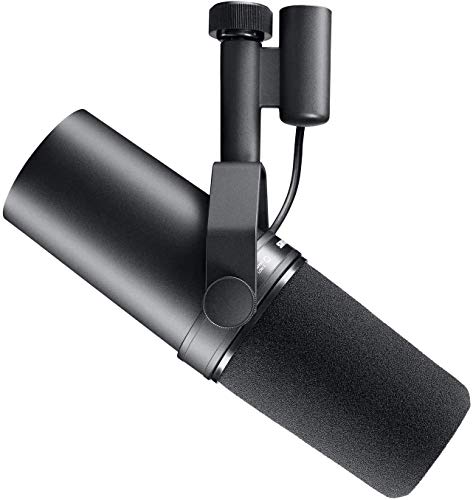
- Warm, balanced close-miked vocals
- Shock isolation and pop filtering
- XLR setup needs ample preamp gain
Best For: Studio vocals, podcasts, and voiceover
Best for Dense Live Mixes

- Supercardioid pickup limits stage bleed
- Revonic dual-engine vocal reproduction
- Rugged metal body and hardened grille
Best For: Singers working in dense live mixes
Best Retro Stage Look

- Chrome-and-blue vintage design
- Supercardioid vocal pickup
- Shock-mounted cartridge and swivel mount
Best For: Stand-mounted performances and on-camera vocals
Best Versatile Cardioid Pick

- Cardioid pickup reduces background sound
- Revonic dual-engine vocal detail
- Metal build with case and clip
Best For: Live and recorded vocals with cardioid pickup
Reliable All-Rounder – Shure SM58 with 25-ft XLR Cable
Among shure microphones for vocals, the SM58 is a practical choice for singers who want a rugged handheld mic and an included 25-foot XLR cable. Its tailored response emphasizes vocal presence, while the cardioid pattern helps limit unwanted background sound.
Best For: Live singers and speakers who want a durable, ready-to-connect XLR vocal mic.
Pros:
- Tailored vocal response with enhanced midrange presence.
- Cardioid pickup helps isolate the voice; built-in filter reduces breath and plosive noise.
- Includes a 25-foot XLR cable, stand adapter, and storage bag.
Cons:
- Wired XLR connection requires a compatible input.
- Cardioid pickup still calls for sensible mic and speaker placement.
Choose the SM58 if dependable construction and a useful cable bundle matter more to you than the tighter supercardioid pickup of the Beta models.
Detailed Live Vocals – Shure BETA 87A Condenser
If you’re comparing shure microphones for vocals and want a bright, detailed condenser sound onstage, consider the BETA 87A. Its supercardioid pickup focuses on the singer, while a presence rise helps vocals stand out in the mix.
Best For: Performers seeking detailed live vocals with a phantom-power-equipped mixer or interface.
Pros:
- Supercardioid pattern supports strong gain before feedback.
- Low-frequency roll-off helps balance close-up singing.
- Built-in pop filter and cartridge shock mount help reduce breath and handling noise.
Cons:
- Requires phantom power to operate.
- Does not list an XLR cable among the included accessories.
The BETA 87A makes the most sense when you can supply phantom power and value its focused, articulate condenser presentation over a simpler dynamic setup.
Switch-Controlled Pick – Shure PGA58-XLR Dynamic Microphone
For buyers browsing shure microphones for vocals who want direct control at the mic, the PGA58-XLR offers a handheld dynamic design with an on/off switch. Its tailored cartridge aims for natural vocal clarity, and its cardioid pattern helps reject sound outside the main source.
Best For: Singers and speakers who prefer a wired vocal mic with a built-in on/off switch.
Pros:
- Discrete on/off switch provides control at the microphone.
- Cardioid pickup helps reduce unwanted sound.
- Includes a stand adapter and zippered pouch.
Cons:
- Requires a wired XLR connection.
- The supplied notes do not confirm a cable in this specific package; check the selected option.
The PGA58-XLR is a straightforward choice when an onboard switch is a priority. Confirm the cable configuration before ordering, since the PGA58 is offered in multiple package options.
Loud-Stage Dynamic – Shure BETA 58A Vocal Microphone
The BETA 58A stands out among shure microphones for vocals when stage volume makes feedback control a priority. This dynamic mic combines a supercardioid pattern with a tailored vocal response and bass roll-off designed to limit proximity effect.
Best For: Working vocalists performing on loud stages who want focused dynamic pickup.
Pros:
- Supercardioid pattern helps maximize gain before feedback.
- Bass roll-off helps keep close-miked vocals controlled.
- Hardened steel grille and pneumatic shock mount suit regular stage use.
Cons:
- No XLR cable is listed among the included accessories.
- Supercardioid pickup rewards careful positioning relative to monitors.
Pick the BETA 58A if you want a durable dynamic mic with tighter vocal focus than a standard cardioid model and can plan your monitor placement accordingly.
Best Wireless Stage System – Shure BLX24/SM58
For singers comparing shure microphones for vocals, the BLX24/SM58 pairs an SM58 handheld capsule with a single-channel wireless receiver. It offers stage mobility without giving up the familiar SM58 vocal sound.
Best For: Live performers who want a ready-to-use wireless handheld system.
Pros:
- Up to 300 feet of operating range for moving around the stage.
- Up to 14 hours of transmitter use on two AA batteries.
- Includes the receiver, handheld transmitter, power supply, mic clip, and batteries.
Cons:
- You must check that the H9 frequency band works in your area before buying.
- The included receiver supports one channel; additional simultaneous microphones require additional equipment.
Choose this setup when movement matters more than the simplicity of a wired mic. Check local frequency compatibility first so the system fits your venue.
Best Wired Stage Mic With Switch – Shure SM58S
Among shure microphones for vocals, the wired SM58S is a straightforward choice for singers who want the SM58’s warm, present sound and an on/off switch on the mic itself. Its cardioid pickup helps keep nearby instruments and crowd noise out of the vocal signal.
Best For: Live vocals, rehearsals, and shared speaking setups where quick on-mic muting is useful.
Pros:
- Vocal-tuned response helps voices cut through a live mix.
- Cardioid pickup reduces off-axis sound.
- Integrated switch lets performers mute between songs or speakers.
- Includes a swivel stand adapter and storage bag.
Cons:
- Its wired XLR connection limits movement compared with a wireless system.
- The switch may be unnecessary if muting is handled at the mixer.
The SM58S suits performers who prefer a durable, familiar stage microphone with direct control at hand. If you do not need the switch, that feature offers little practical benefit.
Best Studio Vocal Mic – Shure SM7B
For close-miked recording, the SM7B stands out among shure microphones for vocals with its warm, balanced sound and XLR connection. Its cardioid pickup, air-suspension isolation, and built-in pop filtering are designed to keep the recorded voice in focus.
Best For: Studio vocals, podcasting, voiceover, and streaming with an XLR recording setup.
Pros:
- Wide-range response captures clear, balanced vocals.
- Shock isolation and cardioid pickup help reduce vibration and off-axis sound.
- Pop filtering and included windscreens help control breath and plosive noise.
- Metal construction and electromagnetic shielding help resist interference.
Cons:
- Requires an XLR interface or mixer rather than a direct USB connection.
- At least 60 dB of gain is recommended, so check your preamp’s capabilities.
The SM7B is a strong fit when you can supply sufficient clean gain and want control over your recording chain. It is less convenient for a simple plug-and-play setup.
Best for Dense Live Mixes – Shure Nexadyne 8/S
Among shure microphones for vocals, the Nexadyne 8/S is a strong fit for singers who need focused pickup on a busy stage. Its supercardioid pattern helps limit background noise and stage bleed, while the Revonic dual-engine design aims for natural, present vocals.
Best For: Live singers performing in dense mixes who want focused vocal capture.
Pros:
- Supercardioid pickup helps reduce stage bleed.
- Revonic dual-engine design delivers strong output and consistent vocal reproduction.
- All-metal body and hardened, dent-resistant grille suit regular stage use.
Cons:
- Focused supercardioid pickup calls for careful mic positioning.
- Wired XLR connection requires a compatible PA system or audio interface.
Choose the 8/S when keeping vocals present in a crowded live mix matters more than having a forgiving pickup area. A case and mic clip are included.
Best Retro Stage Look – Shure Super 55 Deluxe
If visual presentation matters as much as sound when comparing shure microphones for vocals, the Super 55 Deluxe stands out with its satin chrome finish and blue accents. Its supercardioid dynamic capsule is designed to keep vocals clear while reducing background pickup.
Best For: Performers and on-camera presenters who want a vintage-style, stand-mounted vocal mic.
Pros:
- Distinctive retro housing makes a strong visual centerpiece.
- Supercardioid pattern helps reduce background noise and feedback.
- Shock-mounted cartridge minimizes handling noise and vibration.
- Integrated swivel mount allows positioning without a separate mic clip.
Cons:
- Its integrated stand mount makes it less suited to handheld performance.
- Wired XLR setup requires a compatible connection.
The Super 55 Deluxe makes the most sense when the microphone will be seen as well as heard. Its die-cast construction supports stage use, while the swivel mount gives you straightforward positioning.
Best Versatile Cardioid Pick – Shure Nexadyne 8/C
For buyers comparing shure microphones for vocals across stage and recording setups, the Nexadyne 8/C offers a cardioid alternative to the more tightly focused 8/S. Its Revonic dual-engine design is built for detailed, consistent vocal reproduction, and the pickup pattern helps reduce unwanted background sound.
Best For: Singers and creators who want a wired cardioid mic for live performance and recording.
Pros:
- Cardioid pickup captures vocals while reducing background noise.
- Revonic dual-engine design supports detailed, consistent sound.
- All-metal construction includes a hardened, dent-resistant grille.
- Comes with a zippered case and mic clip.
Cons:
- Wired XLR connection needs a compatible interface or PA system.
- Cardioid pickup offers less directional isolation than the supercardioid 8/S.
Pick the 8/C if you want Nexadyne’s dual-engine design with a cardioid pattern for varied vocal uses. It is a practical option when one mic needs to move between rehearsals, performances, and recording sessions.
How We Picked the Best Shure Microphones for Vocals
We focused on practical differences across the selected models: wired versus wireless operation, pickup pattern, dynamic versus condenser design, switching, and included accessories. We also considered where each type makes sense, from shared rehearsal rooms and loud stages to controlled recording spaces. An included cable or pop filter can make a package easier to use, but it does not change the microphone’s core performance.
Quick Comparison: Which Type Fits Your Setup?
- Everyday wired handheld: The SM58 is a straightforward starting point; the SM58S adds an on/off switch. The PGA58 offers another switched handheld option.
- More focused stage pickup: The supercardioid BETA 58A and Nexadyne 8/S suit singers who can keep their voice positioned consistently in front of the mic. The Nexadyne 8/C offers a cardioid alternative.
- Condenser handheld: The BETA 87A is worth considering if you want a condenser design and have a compatible phantom-powered input.
- Freedom to move: The BLX24/SM58 pairs an SM58 handheld transmitter with a receiver; it is the wireless choice in this group.
- Studio or visual priorities: The SM7B fits a fixed recording position, while the Super 55 prioritizes a distinctive vintage-style stage look.
Key Buying Factors for Shure Microphones for Vocals
Pickup Pattern and Monitor Placement
Cardioid mics generally make positioning forgiving when performers move around the capsule. Supercardioid mics have a narrower front pickup area but also a rear pickup lobe, so monitor placement matters. Neither pattern eliminates feedback on its own: speaker position, gain, and room acoustics still count.
Power, Gain, and Connections
Most wired dynamic choices here connect by XLR and do not require phantom power. The BETA 87A does require phantom power, so check your mixer or interface first. The SM7B is commonly used close to the mouth and may need substantial clean preamp gain; verify your interface can supply enough level before budgeting for extra hardware. For the wireless BLX24/SM58, check the specific system’s frequency band against local rules and nearby wireless equipment.
Handling and Included Gear
A switch is convenient when performers need to mute themselves, but it may be undesirable if accidental muting is a concern. Check what comes in the exact listing: a cable, stand adapter, pop filter, or carrying pouch can affect your total cost. Plan for a stand, suitable XLR connection, and wind or pop protection where needed.
Who Should Buy Which Shure Microphones for Vocals?
For a dependable first live-vocal mic, start with the SM58; choose the SM58S if you specifically need a switch. Consider the PGA58 for a simpler switched setup. If you sing in a loud band and can manage mic and monitor placement carefully, compare the BETA 58A with the Nexadyne 8/S; choose the Nexadyne 8/C when a cardioid pattern better suits your stage. Pick the BETA 87A for a phantom-powered condenser handheld, or the BLX24/SM58 when movement matters more than a wired setup’s simplicity. For a stationary recording position, look at the SM7B. If stage appearance is a deciding factor, consider the Super 55.