Choosing the best guitar amplifier for recording means balancing tone, connectivity, speaker response, and room-friendly volume. The right amp can make practice more enjoyable while giving your recordings a cleaner, more usable guitar sound.
This roundup compares 10 compact and affordable options, including modeling combos, portable battery-powered amps, acoustic-friendly models, and amps with headphone, Bluetooth, or OTG recording features.
Best 10 Guitar Amplifiers for Recording Picks for 2026
Best Versatile Modeler

- 25-watt digital-modeling combo
- 30 presets and color display
- USB and headphone output
Best For: Beginners and home recording setups needing varied tones
Best Budget Practice Amp
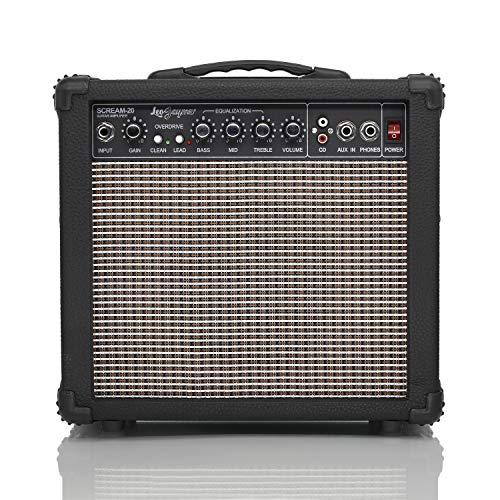
- 20-watt clean and crunch channels
- Three-band EQ and AUX input
- Lightweight 5.5-pound design
Best For: Simple practice-room recording on a budget
Best Simple Beginner Amp

- 10-watt solid-state design
- Six-inch speaker with built-in overdrive
- Headphone jack and AUX input
Best For: Beginners needing a compact practice and recording amp
Best Portable Recording Rig

- OTG USB-C direct recording
- 14 amp models and nine effects
- Drums, looper, Bluetooth, and battery power
Best For: Mobile recording, practice, and content creation
Best Compact Practice Amp
Portable 20W Electric Guitar Amplifier

- 20W solid-state output with a 6.5-inch speaker
- Headphone and AUX connections for flexible practice
- Lightweight 6.2-pound cabinet with carrying handle
Best For: Home practice and portable electric-guitar setups
Best Recording-Friendly Acoustic Amp

- USB-C OTG records directly to a phone or PC
- Stereo speakers and built-in guitar effects
- Rechargeable battery offers 4–6 hours of playtime
Best For: Acoustic-electric guitarists and singer-guitarists recording on the go
Best Mini Amp for Travel
10W Rechargeable Electric Guitar Amp

- Clean and drive modes with gain and tone controls
- Wireless playback plus headphone and AUX jacks
- 580-gram body with up to six hours of battery life
Best For: Traveling electric guitarists and compact practice setups
Best Recording-Ready Bass Amp

- OTG direct recording to phones and PCs
- 30W bass-focused output with EQ and compression
- Bluetooth, headphones, and PD power-bank support
Best For: Bassists and creators recording demos or livestreams
Best Tiny Rechargeable Practice Amp

- Four built-in clean and effected tones
- Bluetooth backing-track playback
- About six hours of rechargeable use
Best For: Portable electric-guitar practice
Best Plug-In Travel Guitar Amp

- Direct plug-in design with included jack extender
- Four built-in practice effects
- Bluetooth playback and USB-C charging
Best For: Traveling guitarists and compact practice setups
Best Versatile Modeler – Fender Mustang LT25
For guitar amplifiers for recording, the Fender Mustang LT25 offers a flexible digital-modeling setup with USB connectivity, headphone output, and a broad selection of built-in tones. Its color display and straightforward controls also make it approachable for beginners.
Best For: Beginners and home players who want varied tones plus convenient USB and headphone connections.
Pros:
- 25 watts with an 8-inch Fender Special Design speaker.
- 30 preloaded presets cover a wide range of music.
- USB and headphone output support flexible practice and recording setups.
- Simple interface with a 1.8-inch color display.
Cons:
- Its 15.2-pound size is less portable than compact practice amps.
- It is a single-channel digital-modeling combo rather than a multi-speaker recording rig.
The Mustang LT25 is a strong all-around choice when tone variety and recording-friendly connectivity matter more than minimal size. It provides enough power for practice while keeping operation relatively simple.
Best Budget Practice Amp – Leo Jaymz DA-20
Among guitar amplifiers for recording, the Leo Jaymz DA-20 is a compact, straightforward option for basic practice and small recording spaces. It combines clean and crunch channels with three-band EQ and a line input for external audio.
Best For: Budget-conscious players who need simple clean and distorted tones for practice-room recording.
Pros:
- 20-watt output with clean and crunch channels.
- Three-band equalization provides basic tone shaping.
- CD audio line and 6.5mm AUX input support playback or accompaniment.
- Lightweight 5.5-pound design includes a comfortable handle.
Cons:
- It lacks the USB recording connection found on some digital modeling amps.
- The 6.5-inch speaker is oriented toward compact practice rather than larger sound coverage.
- The supplied warranty is limited to 30 days.
The DA-20 keeps the feature set focused and accessible. It makes sense for basic home use when analog-style channel switching and auxiliary playback are more important than extensive effects or direct computer connectivity.
Best Simple Beginner Amp – Fender Frontman 10G
The Fender Frontman 10G is a compact solid-state choice for players seeking uncomplicated guitar amplifiers for recording and practice. Its six-inch speaker, built-in overdrive, basic tone controls, headphone jack, and auxiliary input cover essential home-use needs.
Best For: Beginners who want a small, easy-to-use amp for practicing and capturing basic guitar parts.
Pros:
- 10 watts with a six-inch Fender Special Design speaker.
- Built-in overdrive supports clean, blues, metal, and distorted sounds.
- Gain, volume, treble, and bass controls provide direct adjustment.
- Headphone jack and auxiliary input add practice flexibility.
Cons:
- Its 10-watt output and six-inch speaker are limited compared with larger combos.
- It offers fewer tone-shaping features than a digital modeling amp.
- The listed design is focused on practice rather than USB recording.
The Frontman 10G is best when simplicity, compactness, and familiar Fender styling are the priorities. It is a practical starting point for recording basic amplified parts without a large feature set.
Best Portable Recording Rig – JOYO JAM Buddy II
For guitar amplifiers for recording on the go, the JOYO JAM Buddy II combines a portable amp, multi-effects unit, drum machine, looper, and OTG USB-C interface. Bluetooth playback, headphones, balanced output, and battery power make it especially adaptable for practice, creation, and direct recording.
Best For: Mobile musicians and creators who want recording, effects, backing tracks, and practice tools in one compact unit.
Pros:
- OTG USB-C audio interface connects directly to a phone or computer for recording and streaming.
- 14 amp models, nine effects, three channels, and three-band EQ provide broad tonal flexibility.
- Includes 36 drum patterns, a 30-second looper, tuner, and tone memory.
- Battery-powered design offers up to five hours of playtime and weighs about 0.85 kg.
Cons:
- Dual two-inch speakers are much smaller than conventional combo-amp speakers.
- The compact control system may require more menu and knob interaction than a basic practice amp.
- Battery use is limited to up to five hours per charge.
The JAM Buddy II is the most recording-focused and feature-dense option in this group. Choose it when portability, direct mobile recording, and creative practice tools outweigh the fuller speaker projection of a traditional combo.
Best Compact Practice Amp – Portable 20W Electric Guitar Amplifier
This 20-watt solid-state amp is a practical option for guitar amplifiers for recording when you want straightforward tone controls, quiet monitoring, and a compact setup. Gain, bass, treble, and volume controls cover clean-to-driven sounds, while the included noise-shielded cable is designed to reduce unwanted background noise.
Best For: Home practice, portable electric-guitar setups, and players who want headphone and AUX connectivity.
Pros:
- 20-watt output with a 6.5-inch speaker.
- Headphone jack supports quiet practice.
- AUX input enables backing tracks from a phone or MP3 player.
- Compact 6.2-pound design includes a carrying handle.
Cons:
- It is a single-channel solid-state amplifier rather than a dedicated recording interface.
- The supplied details do not specify built-in effects or direct USB recording.
Choose this model if you value simple controls, portability, and low-noise practice. For direct phone or computer recording, a separate interface may be needed.
Best Recording-Friendly Acoustic Amp – JOYO AC-20S 20W Stereo Amp
Among guitar amplifiers for recording, the JOYO AC-20S stands out for its USB-C OTG recording feature. Its stereo design, separate guitar and vocal channels, built-in effects, and phone-friendly connectivity make it useful for capturing practice sessions, covers, or live-streamed performances.
Best For: Acoustic-electric guitarists and singer-guitarists who want direct USB-C recording and portable stereo sound.
Pros:
- Two 4-inch speakers provide 20W stereo output.
- USB-C OTG supports direct recording to a phone or PC.
- Includes guitar EQ, chorus, delay, reverb, and a dedicated vocal reverb.
- Rechargeable battery provides approximately 4–6 hours of playtime.
Cons:
- USB-C recording does not charge the connected phone.
- Bluetooth and AUX input cannot be used simultaneously.
- Low-output passive pickups may require an external preamp.
This is the most recording-oriented choice in the group for acoustic players. Its direct USB-C path reduces the need for extra recording hardware, while the 12-pound battery-powered cabinet remains suitable for small gigs and mobile sessions.
Best Mini Amp for Travel – 10W Rechargeable Electric Guitar Amp
This mini amp is a convenient pick among guitar amplifiers for recording when portability and wireless playback matter more than studio-style connectivity. Its analog signal path offers clean and drive modes, while the headphone and AUX jacks support quiet practice and play-along sessions.
Best For: Traveling electric guitarists, casual recording ideas, and compact practice setups.
Pros:
- Clean and drive modes provide two basic tonal directions.
- Wireless connectivity streams audio from phones, tablets, or laptops.
- USB-C rechargeable battery provides up to six hours of use.
- Very compact 580-gram design is easy to carry.
Cons:
- Its 10W output and 1.7-inch speaker are aimed at personal practice rather than larger performances.
- The supplied details do not mention direct USB audio recording.
- It is designed specifically for electric guitars, not acoustic-guitar amplification.
The FBA-10 makes sense for musicians who need a grab-and-go amp with wireless audio and silent-practice capability. For recording, it is better suited to simple practice capture or use alongside separate recording equipment than to direct interface-style tracking.
Best Recording-Ready Bass Amp – JOYO Vibe Cube BA-30
For players seeking guitar amplifiers for recording that can also handle bass, the JOYO Vibe Cube BA-30 combines a 30-watt output with OTG direct recording, flexible EQ, and a compact design. Its USB-C connection can send audio directly to a compatible phone or computer for demos, livestreams, and social content.
Best For: Bassists and creators who want a portable amp with direct phone or PC recording.
Pros:
- OTG direct recording through USB-C with independent volume control.
- 30-watt output, 4-inch speaker, and low-frequency radiator provide bass-focused sound.
- 3-band EQ, adjustable mid frequency, and compression offer useful tone shaping.
- Bluetooth 5.1, headphone output, and optional PD power-bank operation add flexibility.
Cons:
- It does not have an internal battery and requires wall power or a compatible 65W-or-higher PD power bank.
- Its bass-focused design may be more than needed for simple electric-guitar practice.
The BA-30 is the most recording-oriented option here, especially for bass demos and mobile content. Check your power-bank and cable setup before planning cordless use.
Best Tiny Rechargeable Practice Amp – LEKATO JA-05G Mini Amp
The LEKATO JA-05G is a compact choice for shoppers comparing guitar amplifiers for recording and everyday practice, although its design is primarily for personal playing rather than direct recording. It provides four built-in effects, Bluetooth backing-track playback, and a rechargeable battery in a very small package.
Best For: Guitarists who prioritize portable practice, basic effects, and playing along with phone audio.
Pros:
- Clean, distortion, overdrive, and reverb effects cover common practice sounds.
- Bluetooth audio playback supports accompaniment from a phone or other device.
- Rechargeable battery provides about six hours of use after a full charge.
- Compact 5-watt design can fit in a backpack or luggage.
Cons:
- The supplied notes do not list a recording output or headphone jack.
- Its 5-watt output and 2-inch speaker are intended for practice rather than larger performances.
- Charging should use a 5V 2A charger; higher-voltage chargers may damage the unit.
This LEKATO works well as a grab-and-go practice amp, but buyers specifically seeking guitar amplifiers for recording should plan on using separate recording equipment.
Best Plug-In Travel Guitar Amp – JOYO JA-05G Mini Amp
For guitarists researching guitar amplifiers for recording who mainly need a lightweight practice companion, the JOYO JA-05G offers plug-in convenience, four built-in effects, Bluetooth backing-track playback, and USB-C charging. It is designed for personal practice rather than direct recording, with no headphone jack listed.
Best For: Travelers and bedroom players who want an ultra-light amp that connects directly to an electric guitar.
Pros:
- Plugs directly into many electric guitars without requiring an instrument cable.
- Clean, overdrive, distortion, and reverb provide several practice tones.
- Bluetooth plays backing tracks from a phone or other device.
- USB-C rechargeable battery offers up to about five hours of use, depending on settings.
Cons:
- There is no headphone jack for silent practice.
- Bluetooth is for audio playback only and does not transmit guitar audio for recording.
- The compact 5-watt format is better suited to practice than full-volume performance.
The included plug extender makes the JA-05G adaptable to more guitar jack layouts. Choose it for portability and quick practice, not as a standalone recording interface.
How We Picked the Best Guitar Amplifiers for Recording
We focused on features that matter in home studios and practice spaces: usable tone at manageable volume, recording connectivity, headphone output, speaker quality, controls, portability, and overall versatility. Modeling amps were considered for their variety of built-in sounds, while simpler combos were evaluated for straightforward operation and dependable clean or overdriven tones.
Because these amplifiers serve different purposes, the list includes both traditional electric-guitar combos and compact models designed for mobile practice. Battery operation, Bluetooth playback, effects, footswitch support, and direct-recording connections can be especially valuable when space, noise, or convenience is a concern.
Quick Comparison
- Best all-around flexibility: Choose a modeling combo with multiple amp voices, effects, and presets.
- Best for simple home recording: Look for headphone output, line output, or OTG/USB-style connectivity.
- Best for portability: Rechargeable mini amps and battery-powered combos are easy to move between rooms or take on trips.
- Best for acoustic and vocal setups: Select an amp with separate microphone and instrument inputs, plus appropriate effects.
- Best for bass: Use a bass-specific amplifier rather than relying on a small electric-guitar practice amp.
Key Buying Factors for Guitar Amplifiers for Recording
Recording and Headphone Connections
A headphone output is useful for quiet tracking and late-night practice, but it does not always provide the same result as a dedicated line, USB, or OTG output. If you plan to record directly into a phone or computer, verify the connection type, required adapter, and whether the output carries an amp-simulated signal.
Power, Speaker Size, and Volume Control
Higher wattage does not automatically mean better recordings. For a bedroom or desktop setup, low-wattage amps can deliver more manageable volume and useful breakup. Larger speakers and higher-powered combos may provide fuller projection, but they also require more space and volume control.
Tone Shaping and Effects
At minimum, look for practical EQ controls and a gain or drive control. Built-in reverb, delay, chorus, distortion, and amp models can reduce the need for pedals, although a simple amp may be preferable if you already use software plugins or external effects.
Portability and Extra Features
Bluetooth is helpful for playing backing tracks, while rechargeable batteries suit mobile practice. Footswitch compatibility can improve hands-free control, and separate inputs are important when connecting a microphone, acoustic guitar, or another instrument.
Who Should Buy Which Guitar Amplifiers for Recording?
Beginners and casual players should prioritize simple controls, a headphone jack, and a dependable clean channel. Home recordists will benefit from modeling variety and direct-recording features that integrate easily with a phone, tablet, or audio interface. Traveling musicians should choose a compact rechargeable amp with Bluetooth and built-in effects. Acoustic players or singer-songwriters should look for microphone and guitar inputs with suitable reverb or delay. Bassists should select the dedicated bass combo in this roundup for appropriate voicing and speaker handling.