The best ergonomic computer mice can make long work sessions feel more comfortable by encouraging a more natural hand, wrist, or forearm position. The right design depends on your grip, desk setup, connectivity needs, and tolerance for vertical or trackball controls.
We’ve gathered 10 options ranging from affordable vertical mice to premium Logitech models, rechargeable designs, multi-device models, and a thumb-operated trackball. Use the guide below to narrow the list quickly.
Best 10 Ergonomic Computer Mice Picks for 2026
Best Overall
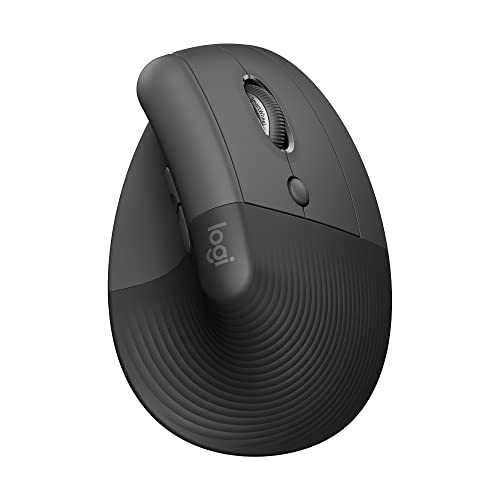
- 57-degree vertical design for a natural forearm posture
- Quiet clicks, SmartWheel, and customizable buttons
- Bluetooth and Logi Bolt with up to two years of battery life
Best For: Small to medium right-handed users seeking a polished vertical mouse for daily productivity
Best for Large Hands
UGREEN Vertical Wireless Mouse

- Handshake design for medium to large hands
- Bluetooth and 2.4G wireless support up to three devices
- Quiet clicks, four DPI levels, and PTFE glide feet
Best For: Medium to large right-handed users who want multi-device connectivity and quiet operation
Best Rechargeable Option
ProtoArc EM11 NL Vertical Mouse

- Designed for small to medium hands under 7.5 inches
- Rechargeable 500mAh battery with Type-C charging
- Connects to up to three devices via Bluetooth and USB-A
Best For: Small to medium right-handed users who prefer a rechargeable multi-device mouse
Best Trackball
Logitech Ergo M575S Trackball Mouse

- Thumb-controlled cursor movement saves desk space
- Sculpted shape supports a relaxed hand and forearm posture
- Bluetooth or Logi Bolt connectivity with up to 18 months of battery life
Best For: Right-handed users with compact workspaces or a preference for trackball control
Budget Vertical Comfort

- Right-handed vertical handshake design
- 800/1200/1600 DPI settings
- 2.4GHz USB receiver connection
Best For: Affordable everyday office and browsing use
Flexible Quiet Connectivity
TECKNET 3-Device Vertical Mouse

- Bluetooth and 2.4GHz connectivity
- Connects with up to three devices
- Six DPI levels up to 4800
Best For: Quiet multi-device workstations
Premium Posture Support

- 57-degree vertical ergonomic angle
- 4000 DPI sensor with speed switch
- Rechargeable battery included
Best For: Long workdays and precision-focused users
Simple Rechargeable Relief
Lekvey Vertical Wireless Mouse

- Handshake-style grip supports a neutral wrist position
- Plug-and-play 2.4GHz receiver needs no pairing or drivers
- Rechargeable 600mAh battery supports weeks to months of use
Best For: Right-handed users with medium or large hands
Best Overall – Logitech Lift Vertical Mouse
The Logitech Lift is a strong all-around choice among ergonomic computer mice for small to medium right hands. Its 57-degree vertical design, softly textured grip, quiet clicks, and customizable controls are suited to extended office work.
Best For: Small to medium right-handed users seeking a polished vertical mouse for daily productivity.
Pros:
- Vertical shape encourages a more natural forearm posture.
- Quiet clicks, SmartWheel scrolling, and customizable buttons support focused work.
- Bluetooth and Logi Bolt connectivity work with Windows, macOS, iPadOS, Chrome OS, and Linux.
- Battery life is rated for up to two years.
Cons:
- Designed for right-handed use only.
- The vertical shape may require an adjustment period.
With ergonomist approval, broad compatibility, and unusually long battery life, the Lift is an easy recommendation for users who want a comfortable vertical design without sacrificing everyday features.
Best for Large Hands – UGREEN Vertical Wireless Mouse
The UGREEN vertical mouse is one of the more flexible ergonomic computer mice for medium to large hands. It combines a handshake-style shape with quiet clicks, dual wireless modes, adjustable DPI, and switching for up to three devices.
Best For: Medium to large right-handed users who want multi-device connectivity and a quiet work setup.
Pros:
- Vertical design is intended to reduce wrist rotation and muscle strain.
- Bluetooth and 2.4G wireless can connect with up to three devices.
- Four DPI settings range from 1000 to 4000 for different tasks.
- PTFE glide feet support smooth, quiet movement.
Cons:
- May not fit small hands; the manufacturer recommends checking its hand-size guide.
- Uses a replaceable AA battery rather than a built-in rechargeable battery.
- Right-handed design limits orientation options.
The UGREEN is a practical pick when hand fit, quiet operation, and device switching matter more than premium software features. Confirm the dimensions before buying, especially if your hands are small.
Best Rechargeable Option – ProtoArc EM11 NL Vertical Mouse
The ProtoArc EM11 NL is a rechargeable option among ergonomic computer mice, designed for hand lengths under 7.5 inches. Its vertical shape, three-device connectivity, quiet primary clicks, and Type-C charging make it well suited to compact multi-device workstations.
Best For: Small to medium right-handed users who prefer a rechargeable mouse with multiple connection options.
Pros:
- Designed for hand lengths under 7.5 inches with a vertical grip.
- Connects to up to three devices through dual Bluetooth and 2.4G USB-A.
- Built-in 500mAh battery recharges via the included Type-C cable.
- Adjustable 1000, 1600, and 2400 DPI settings support precise tracking.
Cons:
- The USB receiver is USB-A, and the charging cable does not provide a USB-C receiver.
- Back and forward buttons are not compatible with Mac OS.
- Scroll-wheel and back/forward clicks are not silent.
The EM11 NL offers useful flexibility for users who dislike disposable batteries, but its size guidance and Mac button limitations are important considerations. Expect a one- to two-week learning curve when transitioning to the vertical shape.
Best Trackball – Logitech Ergo M575S Trackball Mouse
The Logitech Ergo M575S takes a different approach to ergonomic computer mice with thumb-controlled trackball navigation. Because the cursor moves without moving the mouse, it suits small desks, limited surfaces, and users who want reduced hand movement.
Best For: Right-handed users with compact workspaces or anyone who prefers thumb-controlled cursor movement.
Pros:
- Trackball control lets you navigate without moving the mouse across the desk.
- Sculpted shape supports a relaxed hand position and improved forearm posture.
- Bluetooth and Logi Bolt connectivity provide flexible setup options.
- Up to 18 months of battery life with the included AA battery.
Cons:
- Trackball operation feels different from a conventional optical mouse.
- It has fewer buttons than the vertical alternatives, with two listed in the product details.
- Compatible operating systems are limited to Windows and macOS.
The M575S is especially compelling when desk space is limited or constant mouse movement is uncomfortable. Its thumb-controlled trackball requires a different technique, but it can make cursor control practical on almost any surface.
Budget Vertical Comfort – Anker Wireless Vertical Mouse
For shoppers comparing ergonomic computer mice on a budget, the Anker Wireless Vertical Mouse offers a straightforward right-handed design that positions the hand in a more natural handshake posture. Its 2.4GHz USB receiver connection, adjustable sensitivity, and browser navigation buttons make it a practical choice for everyday work and browsing.
Best For: Right-handed users who want an affordable vertical mouse for office work, web browsing, and general computer use.
Pros:
- Vertical shape encourages a neutral wrist and arm position.
- Three DPI settings—800, 1200, and 1600—support different tracking preferences.
- Includes next and previous buttons for convenient webpage navigation.
- Automatically enters power-saving mode after eight minutes of inactivity.
Cons:
- Uses a 2.4GHz USB receiver rather than Bluetooth.
- Requires two AAA batteries, which are not included.
- Clicks are not silent.
The Anker is a sensible entry-level option if you want to try a vertical design without paying for advanced connectivity. Just confirm that your computer has a compatible USB port and that audible clicks are acceptable for your workspace.
Flexible Quiet Connectivity – TECKNET 3-Device Vertical Mouse
Among ergonomic computer mice, the TECKNET 3-Device Vertical Mouse stands out for combining a right-handed vertical shape with Bluetooth and 2.4GHz connectivity. It can connect with up to three devices, offers six DPI levels, and keeps left- and right-click noise low for shared or quiet workspaces.
Best For: Right-handed multitaskers who switch between several computers and prefer quieter primary clicks.
Pros:
- Supports two Bluetooth devices plus one 2.4GHz USB connection.
- Six adjustable DPI levels range from 800 to 4800.
- Near-silent left and right clicks suit libraries and quiet offices.
- Includes a low-battery warning and deep sleep mode for power conservation.
Cons:
- Designed for right-handed use only.
- Side buttons are not compatible with macOS.
- Requires two AAA batteries, which are not included.
This model is a strong fit when device switching and quiet clicking matter more than a rechargeable battery. Its broad operating-system compatibility is useful, but Mac users should account for the side-button limitation.
Premium Posture Support – Logitech MX Vertical
The Logitech MX Vertical is a premium choice among ergonomic computer mice, using a 57-degree vertical angle and a thumb rest to encourage a more comfortable wrist posture. Its 4000 DPI sensor, cursor-speed switch, rechargeable battery, and textured grip make it well suited to demanding daily computer work.
Best For: Right-handed professionals seeking a refined vertical mouse with precise tracking and rechargeable wireless operation.
Pros:
- 57-degree angle and thumb rest support a natural handshake position.
- 4000 DPI tracking and a cursor-speed switch reduce the need for hand movement.
- Rechargeable lithium-polymer battery is included.
- Textured surface and contoured shape provide a secure grip.
Cons:
- Limited to right-handed use.
- Has four buttons, fewer than some feature-focused alternatives.
- Its larger premium design may be more than casual users need.
The MX Vertical is the most feature-rich option here for users who spend long hours at a computer and value precision, comfort-focused shaping, and a rechargeable battery. It is best considered when those refinements justify moving beyond a basic vertical mouse.
Multi-Device Quiet Comfort – TECKNET 57° Vertical Mouse
For shoppers comparing ergonomic computer mice, this TECKNET model stands out for its 57° vertical design, quiet clicks, and flexible connectivity. Bluetooth 5.3/3.0 and 2.4GHz support make it useful across a laptop, tablet, and desktop, while six DPI settings accommodate everything from precise work to faster navigation.
Best For: Users who need a quiet, rechargeable mouse that can switch between multiple devices.
Pros:
- Supports Bluetooth and 2.4GHz connections with switching for up to three devices.
- Rechargeable battery provides up to three months of use with light daily use.
- Six DPI levels range from 800 to 4800 for adjustable tracking sensitivity.
- Quiet buttons and a 57° vertical angle suit shared offices and long work sessions.
Cons:
- Side buttons are not supported on macOS.
- The vertical shape may take adjustment for users accustomed to a conventional mouse.
This is a versatile pick for multitaskers who want ergonomic positioning without giving up connection flexibility. Its rechargeable design and silent operation add practical value for daily office use.
Simple Rechargeable Relief – Lekvey Vertical Wireless Mouse
Among ergonomic computer mice, the Lekvey focuses on a straightforward handshake-style grip and plug-and-play wireless setup. Its 2.4GHz nano receiver avoids Bluetooth pairing, while the rechargeable battery, forward and back buttons, and three DPI settings cover everyday browsing and office work.
Best For: Right-handed users with medium or large hands who want a simple rechargeable mouse with browser shortcuts.
Pros:
- Vertical design encourages a neutral handshake wrist and arm position.
- Plug-and-play 2.4GHz receiver requires no Bluetooth pairing or drivers.
- Built-in 600mAh battery lasts about three to four weeks with heavy daily use or up to two to three months with light use.
- Forward and back buttons work on Windows and Mac OS.
Cons:
- Recommended for medium or large hands and designed for right-handed use.
- Only three DPI settings are available, topping out at 1600 DPI.
- Buttons are non-programmable.
The Lekvey is a practical choice if ease of setup matters more than advanced customization. Its larger vertical body and browser buttons make it particularly suitable for right-handed web browsing and routine computer tasks.
Productivity-Focused Vertical Control – TECKNET 60° Wireless Mouse
This TECKNET model is one of the more productivity-oriented ergonomic computer mice, pairing a 60° vertical grip with six programmable buttons and five DPI levels. Its 2.4GHz USB-A receiver offers up to 10 meters of range, while silent left and right buttons help keep the workspace focused.
Best For: Office users who want programmable shortcuts, adjustable sensitivity, and a quiet vertical grip.
Pros:
- 60° vertical design encourages a handshake-style grip and straighter forearm positioning.
- Six programmable buttons can reduce repetitive navigation and clicking.
- Five DPI levels support both precise spreadsheet work and faster document browsing.
- Rechargeable battery lasts about two months, and the 2.4GHz connection reaches up to 10 meters.
Cons:
- Uses a USB-A nano receiver rather than Bluetooth.
- Designed for right-handed use.
- The vertical format may require an adjustment period of several days.
Choose this TECKNET when shortcut access and workflow efficiency are priorities. It offers more customization than a basic vertical mouse, though buyers should confirm they have a USB-A port and are comfortable with a right-handed design.
How We Picked These Ergonomic Computer Mice
We selected models that offer a meaningful ergonomic change from a conventional flat mouse, including vertical, sculpted, and trackball designs. We also considered wireless reliability, connection options, power design, button feel, sensor flexibility, hand fit, and overall value. Because comfort is highly personal, the list includes both budget-friendly choices and premium options rather than treating one shape as ideal for everyone.
Specifications can vary by configuration and retailer, so check the product listing for the included receiver, supported operating systems, battery type, and exact dimensions before buying.
Quick Comparison
| Best For | Look For |
|---|---|
| First-time vertical mouse users | A moderate angle, familiar thumb buttons, and affordable pricing |
| Premium office setups | Refined ergonomics, customization, and dependable multi-device support |
| Small or average hands | A compact shell and easy access to the main buttons |
| Limited desk space | A trackball that reduces the need to move the mouse across the desk |
| Shared workspaces | Quiet clicks and Bluetooth or 2.4GHz flexibility |
| Heavy daily use | Rechargeable power, comfortable materials, and a stable wireless connection |
Key Buying Factors for Ergonomic Computer Mice
Shape and Hand Position
Vertical mice rotate the hand into a handshake-like position and may reduce the amount of forearm twisting required. They can take several days to feel natural, especially during precise pointer movements. Sculpted mice are less dramatic and may be easier for users transitioning from a standard model. A trackball changes the movement pattern entirely, using the thumb or fingers to control the pointer while the mouse stays in place.
Size, Grip, and Handedness
Check the mouse dimensions against your hand and preferred grip. A shell that is too small can cause finger crowding, while one that is too large may force awkward reaching. Most options here are designed for right-handed use, so left-handed shoppers should verify compatibility before ordering.
Connectivity and Controls
Bluetooth is convenient for laptops and helps keep a desk free of USB receivers. A 2.4GHz receiver often offers simple plug-and-play performance, while dual-mode or three-device models are useful if you switch between a computer, tablet, and laptop. Adjustable DPI, side buttons, and customizable controls can improve productivity, but they are less important if comfort is your main goal.
Power and Noise
Rechargeable mice reduce disposable battery waste but require periodic charging. Replaceable-battery models can run for long periods with minimal planning. For offices, libraries, or shared rooms, silent-click designs are worth prioritizing; confirm that quiet operation applies to the buttons you use most.
Who Should Buy Which Ergonomic Computer Mice?
Choose the Logitech Lift or a compact vertical option if you want an approachable ergonomic upgrade for everyday office work. Consider the Logitech MX Vertical if you want a more premium build and advanced productivity features. A Logitech Ergo M575S is the strongest fit for users who dislike sweeping mouse movements or have very limited desk space. The UGREEN, Anker, Lekvey, ProtoArc, and TECKNET models are worth considering when you want to test a vertical design without spending as much.
Before purchasing, prioritize the shape you can comfortably use for several hours, then compare connection methods, charging or battery requirements, button noise, and return policies. Ergonomic benefits are most likely when the mouse fits your hand and supports a relaxed grip rather than forcing you to hold it tightly.