The right scanner can turn a confusing dashboard warning into useful information before you schedule a repair. This roundup compares 10 car diagnostic scanners for DIY maintenance, covering affordable code readers, Bluetooth options, and advanced bidirectional tools.
Consider your vehicle coverage, the systems you need to access, and whether you want guided diagnostics or simple code reading. The best choice depends on how often you work on your car and how much diagnostic control you need at home.
Best 10 Car Diagnostic Scanners for Diy Maintenance Picks for 2026
Best Advanced AI Scanner

- Lifetime free software updates with no subscription fees
- AI-assisted DTC analysis and repair suggestions
- 15 services plus bidirectional and four-system diagnostics
Best For: DIY owners seeking advanced diagnostics and service functions
Best Phone-Based Scanner
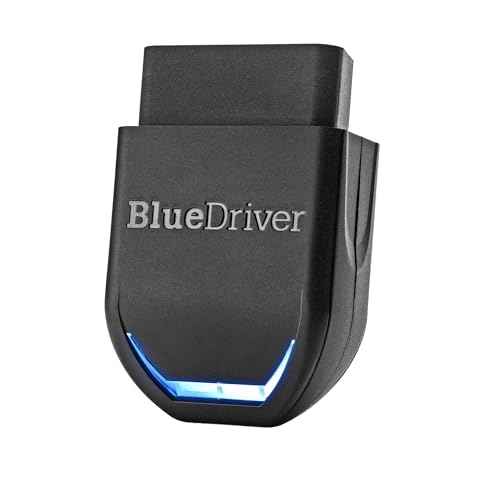
- Wireless iOS and Android operation
- Verified repair reports matched to the VIN
- No subscription fees or required account
Best For: Phone-first diagnostics and convenient vehicle checks
Best Wired Bidirectional Tool

- Performs select bidirectional active tests
- Enhanced live data for major vehicle systems
- Free updates and US-based technical support
Best For: DIY mechanics needing active tests and guided troubleshooting
Best Affordable Four-System Scanner

- Scans engine, ABS, SRS, and transmission
- Works out of the box with lifetime updates
- Includes live data, DTC library, and I/M readiness
Best For: Budget DIY diagnostics across four major vehicle systems
Best Full-System Upgrade
MUCAR 783BT Bidirectional Scanner

- Full-system diagnostics and active tests
- 28+ maintenance resets
- Lifetime free Wi-Fi updates
Best For: DIYers needing advanced vehicle troubleshooting and service functions
Best Midrange DIY Pick

- Four-system diagnostics
- Six common maintenance resets
- CAN FD and FCA AutoAuth support
Best For: DIY owners wanting broader coverage than a basic code reader
Best Basic Check-Engine Tool

- Reads and clears engine codes
- Live-data graphing and I/M readiness checks
- Lifetime free updates
Best For: Owners focused on check-engine diagnostics and emissions readiness
Advanced DIY Diagnostics

- All-system engine, transmission, ABS, and SRS scanning
- 12+ maintenance and service reset functions
- Free lifetime updates with RepairSolutions2 access
Best For: DIYers seeking broad diagnostics and workshop-style maintenance tools
Simple Check-Engine Scanning

- Reads and clears emission-related engine codes
- Shows live data, freeze frame, and I/M readiness
- Compact, cable-powered design for home or travel
Best For: Owners needing a basic OBD2 engine-code reader
Battery and Engine Checks

- Reads engine codes and provides battery and alternator testing
- Offers live data, oil reset, and smog-readiness checks
- Includes free RepairSolutions2 guidance with no subscription
Best For: DIYers combining routine diagnostics with battery and maintenance checks
Best Advanced AI Scanner – MUCAR 632 Elite
For DIY maintenance, the MUCAR 632 Elite is a feature-rich choice among car diagnostic scanners for diy maintenance. It combines bidirectional testing, four-system diagnostics, AI-assisted code explanations, and 15 listed reset or service functions in a handheld design.
Best For: DIY owners who want broad diagnostics and service functions without ongoing software subscription fees.
Pros:
- Includes lifetime free software updates with no subscription fees.
- Provides AI-assisted DTC analysis, repair suggestions, and integrated diagnostic reports when connected to the internet.
- Supports engine, ABS, SRS, and transmission diagnostics, including live data and actuation tests.
- Offers 15 listed services, plus AutoVIN, AutoAuth/FCA support, and CAN FD compatibility.
Cons:
- Compatibility should be checked before purchase, and some manufacturer access services may require third-party fees.
- AI assistance requires an internet connection and the latest software version.
- Its larger feature set may be more than needed for owners seeking only basic code reading.
The MUCAR 632 Elite stands out when DIY maintenance involves more than clearing a check-engine light. Its combination of guided AI analysis, bidirectional functions, and resets makes it a strong fit for owners comfortable with advanced vehicle service tasks.
Best Phone-Based Scanner – BlueDriver Pro
BlueDriver Pro is a convenient option among car diagnostic scanners for diy maintenance because it connects wirelessly to an iOS or Android device. Its app combines enhanced system-code access with verified repair reports and live vehicle data, without a subscription.
Best For: Drivers who prefer using a phone or tablet for code reading, repair guidance, and routine vehicle checks.
Pros:
- Reads and clears enhanced codes for systems such as ABS, SRS, TPMS, and transmission on supported vehicles.
- Provides technician-verified repair reports matched to the vehicle VIN, plus live data, freeze frames, smog readiness, and Mode 6 results.
- Uses Bluetooth rather than a wired handheld display and supports iOS and Android.
- Includes free app updates, no subscriptions, and 24/7 North American support.
Cons:
- Enhanced diagnostics and newer-model coverage vary by make, model, and year.
- Requires a compatible smartphone or tablet to operate.
- It is designed for diagnostics rather than the broad bidirectional and reset functions offered by some handheld tools.
BlueDriver Pro is especially practical for driveway checks, used-car inspections, and investigating warning lights on the go. Buyers should confirm vehicle-specific coverage if they need ABS, SRS, TPMS, or other enhanced modules.
Best Wired Bidirectional Tool – Innova 5610
The Innova 5610 is a capable choice among car diagnostic scanners for diy maintenance when you want a dedicated handheld tool with bidirectional controls. It provides enhanced live data, special resets, and repair-support resources through the RepairSolutions2 app.
Best For: DIY mechanics who need guided troubleshooting and select active tests or relearn procedures.
Pros:
- Supports bidirectional commands such as fuel-pump activation and electronic parking-brake retraction on compatible vehicles.
- Displays enhanced live data for engine, ABS, SRS, and transmission systems.
- Includes special reset functions, free updates, and no subscription fees.
- Comes with ASE-certified support, a protective boot, storage pouch, and USB cable.
Cons:
- Coverage and available functions vary by vehicle make, model, and year.
- It is a wired tool rather than a wireless phone-based scanner.
- Users should check Innova’s coverage checker before relying on a specific reset or bidirectional function.
The Innova 5610 offers a useful middle ground for owners who want more than basic code reading but do not necessarily need the broadest possible service menu. Its dedicated screen and active-test capability can make hands-on troubleshooting more direct.
Best Affordable Four-System Scanner – FOXWELL NT604 Elite
The FOXWELL NT604 Elite keeps car diagnostic scanners for diy maintenance straightforward by focusing on engine, ABS, SRS, and transmission systems. It is supplied with current software, supports live data and code clearing, and works out of the box through a wired OBDII connection.
Best For: Budget-conscious owners who want broader system scanning than a basic check-engine-code reader.
Pros:
- Scans engine, ABS, SRS, and transmission systems in one tool.
- Includes live data, a built-in DTC library, data playback, printing, and I/M readiness checks.
- Offers AutoVIN and support for more than 60 worldwide vehicle brands, with no extra software fee.
- Includes lifetime updates and a solid protective case.
Cons:
- Does not support maintenance functions such as oil reset, battery registration, ABS bleeding, throttle-body relearn, or ABS relearn.
- Vehicle compatibility and available functions vary by make, model, and year.
- SRS crash or collision data cannot be cleared, and AutoVIN may not work on some vehicles.
The NT604 Elite is a sensible pick when your priority is identifying faults across four common systems rather than performing resets or relearns. Its out-of-the-box setup and protective case add convenience for occasional home maintenance.
Best Full-System Upgrade – MUCAR 783BT Bidirectional Scanner
For DIYers who want more than basic code reading, the MUCAR 783BT is a capable choice among car diagnostic scanners for diy maintenance. It combines full-system coverage, bidirectional tests, and more than 28 maintenance service functions in a tablet-style device.
Best For: Home mechanics and small repair shops that need broad diagnostics, active tests, and service resets.
Pros:
- Diagnoses engine, ABS, transmission, TPMS, BCM, EPB, SAS, and other modules.
- Supports bidirectional tests for components such as injectors, fuel pumps, wipers, and ABS assemblies.
- Includes over 28 resets, plus CAN FD and DoIP support for many newer vehicles.
- Offers lifetime free Wi-Fi updates with no subscription or annual renewal fee.
Cons:
- Its extensive functions may be more than needed for simple check-engine-light work.
- Actual feature availability can vary by vehicle compatibility.
The 7-inch screen, AutoVIN, live-data graphs, and wide claimed vehicle coverage make the 783BT a strong long-term DIY investment. Choose it if you expect to perform maintenance resets or deeper troubleshooting rather than only read engine codes.
Best Midrange DIY Pick – TOPDON AD500 Scanner
The TOPDON AD500 offers a practical middle ground for car diagnostic scanners for diy maintenance. It goes beyond generic OBD2 reading with four-system diagnostics, six reset functions, live-data charts, and coverage for many modern vehicles.
Best For: DIY owners who want engine, transmission, ABS, and SRS diagnostics without stepping up to a larger professional scanner.
Pros:
- Checks four major systems: engine, transmission, ABS, and SRS.
- Provides six resets, including oil, SAS, TPMS, BMS, EPB, and throttle adaptation.
- Includes AutoVIN, battery-voltage monitoring, and up to four live-data streams.
- Supports CAN FD and FCA AutoAuth, with claimed coverage of 67+ brands and 10,000+ models.
Cons:
- System coverage and reset functions are narrower than those of a full-system scanner.
- It includes a one-year warranty rather than lifetime warranty coverage.
With a 5-inch screen, touchscreen and physical controls, and a 3350mAh battery, the AD500 is designed for approachable garage use. It is a sensible choice when you want common maintenance resets and safety-system diagnostics in one tool.
Best Basic Check-Engine Tool – FOXWELL NT301 OBD2 Scanner
The FOXWELL NT301 keeps car diagnostic scanners for diy maintenance simple and focused. It reads and clears engine fault codes, displays live sensor data, and helps check emissions readiness without requiring a rechargeable battery or subscription.
Best For: Car owners who primarily need check-engine-light diagnostics, live engine data, and pre-inspection readiness checks.
Pros:
- Reads and clears engine DTCs with a straightforward plug-and-play design.
- Graphs live data such as oxygen sensors, fuel trims, coolant temperature, and RPM.
- Includes I/M readiness hotkeys, an LED status indicator, and EVAP testing where supported.
- Offers lifetime free updates and supports major OBDII protocols on many 1996+ vehicles.
Cons:
- Does not provide dedicated ABS, SRS, TPMS, full-system, service-reset, key-programming, or battery-health functions.
- It is powered through the vehicle diagnostic port and has no internal battery.
The NT301 is a focused, affordable-style option for verifying engine faults and checking inspection readiness. Select it when your maintenance needs center on the check-engine light; choose a more advanced scanner for module-level diagnostics or service resets.
Advanced DIY Diagnostics – BLCKTEC 460T
For DIYers who want more than basic check-engine-light scanning, the BLCKTEC 460T is a professional-level choice among car diagnostic scanners for diy maintenance. It combines all-system diagnostics, live data, and numerous service resets in one tool, though feature availability varies by vehicle.
Best For: Home mechanics who need engine, transmission, ABS, and SRS diagnostics plus workshop-style maintenance functions.
Pros:
- Scans all vehicle systems and supports real-time, graphable live data.
- Offers 12+ service functions, including oil, EPB, SAS, DPF, throttle, battery, and TPMS resets.
- Includes AutoVIN, AutoScan, AutoReLink, free lifetime updates, and RepairSolutions2 access.
Cons:
- Specific functions depend on the vehicle’s year, make, and model.
- Its broader capabilities may be more than needed for simple emission-code checks.
The 460T is the most capable option here for hands-on maintenance and deeper troubleshooting. Check BLCKTEC’s compatibility tool before purchase to confirm the desired resets and module coverage.
Simple Check-Engine Scanning – ANCEL AD310
The ANCEL AD310 is a compact, straightforward option for car diagnostic scanners for diy maintenance when your main goal is checking an engine-related warning light. It reads and clears emission-related codes, displays live and freeze-frame data, and draws power directly from the vehicle.
Best For: DIY owners who want an affordable, portable code reader for emission-related engine faults on compatible OBD2 vehicles.
Pros:
- Reads and clears emission-related trouble codes quickly.
- Displays live data, freeze-frame information, vehicle details, and I/M readiness.
- Compact, lightweight, clearly labeled, and powered through the OBD2 connection.
- Supports major OBD2 protocols and many 1996-and-newer vehicles.
Cons:
- Does not diagnose ABS, SRS, transmission, or other non-emission systems.
- Only works through an OBD2 interface and requires compatibility confirmation.
The AD310 is a practical basic reader rather than a full-service scanner. Choose it for simple engine-code checks, but look elsewhere if you need module-specific diagnostics or maintenance resets.
Battery and Engine Checks – INNOVA 5210
The INNOVA 5210 adds battery and alternator testing to everyday code reading, making it a useful middle ground among car diagnostic scanners for diy maintenance. It also provides live engine data, oil-light reset capability, and emissions-readiness information for supported vehicles.
Best For: DIYers who want engine-code scanning combined with battery health checks, oil resets, and smog-readiness monitoring.
Pros:
- Reads and clears engine codes and offers ABS coverage on some vehicles.
- Tests battery and alternator health to help identify starting-system concerns.
- Displays live data such as RPM, temperature, fuel trims, and oxygen-sensor readings.
- Includes oil reset, drive-cycle readiness, and free RepairSolutions2 guidance without subscriptions.
Cons:
- ABS and other feature coverage varies by vehicle.
- Compatibility should be checked through Innova’s coverage checker before purchase.
The 5210 is a well-rounded choice for routine DIY checks, especially if battery testing matters as much as reading fault codes. Its app-based repair guidance adds useful context without a subscription fee.
How We Picked the Best Car Diagnostic Scanners for Diy Maintenance
We compared these scanners by diagnostic coverage, supported vehicle systems, ease of use, live-data capabilities, reset functions, connection style, and overall suitability for home repairs. Basic readers are useful for checking engine codes, while enhanced scanners can access systems such as ABS, SRS, transmission, and TPMS. Bidirectional models earned consideration for their ability to send commands to supported vehicle components rather than only reading stored information.
Vehicle compatibility is especially important. Features can vary by make, model, year, and region, so confirm coverage with the manufacturer before buying. A scanner should help you investigate a fault, but it does not replace service information, proper testing, or professional diagnosis.
Quick Comparison
- Basic code reading: ANCEL AD310 and FOXWELL NT301 are practical choices for check-engine-light diagnosis and clearing compatible codes.
- Bluetooth convenience: BlueDriver and Innova 5210 pair scanning with a phone or tablet for a more flexible interface.
- Broader system access: TOPDON AD500 and FOXWELL NT604 add coverage beyond the engine computer, including systems such as ABS and SRS.
- Advanced diagnostics: MUCAR 632 Elite, MUCAR 783BT, Innova 5610, and BLCKTEC 460T provide bidirectional functions or multiple service resets on supported vehicles.
Key Buying Factors for Car Diagnostic Scanners for Diy Maintenance
Vehicle and System Coverage
Check whether the scanner supports your vehicle and the modules you want to diagnose. Engine-only OBD2 access is enough for emissions-related faults, but ABS, airbag, transmission, and body-module work requires enhanced coverage.
Functions and Reset Services
Oil, battery, electronic parking brake, steering-angle, throttle, and tire-pressure resets can be useful after completing maintenance. These functions are not universal, so verify supported makes and models before relying on them.
Live Data and Bidirectional Testing
Live data helps you observe sensor readings while the engine runs. Bidirectional controls can activate selected components for testing, making them more useful for experienced DIY users—but they require careful operation and accurate repair procedures.
Usability and Updates
A clear screen, readable data, sturdy cable, helpful descriptions, and straightforward updates reduce frustration. Bluetooth models offer portability, while dedicated handheld units can be simpler when working in the driveway.
Who Should Buy Which Car Diagnostic Scanners for Diy Maintenance?
Choose a basic scanner if you mainly want to read and clear check-engine codes. Pick a Bluetooth model if you prefer phone-based reports and a compact setup. A multi-system scanner is better for owners who handle brakes, airbags, transmissions, or recurring maintenance themselves. Choose a bidirectional tool when you regularly troubleshoot vehicles and understand the risks of commanding components. For occasional checks, prioritize simplicity and compatibility over the longest feature list.