The best car diagnostic scanners make it easier to understand a check-engine light, verify repairs, and monitor important vehicle systems before visiting a shop.
These 10 picks range from simple code readers for occasional DIY use to advanced bidirectional scanners with ABS, SRS, transmission, and service-reset capabilities.
Best 10 Car Diagnostic Scanners Picks for 2026
Best Budget Code Reader
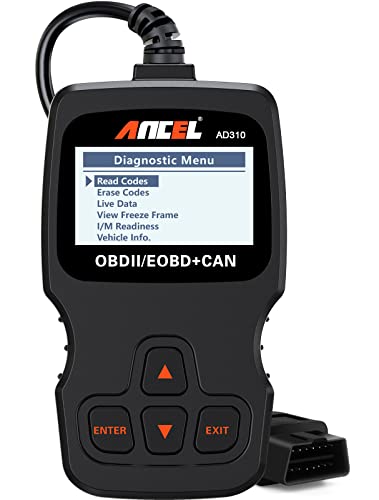
- Reads and clears emission-related engine codes
- Supports major OBDII protocols
- Compact, cable-powered design
Best For: Basic check-engine-light diagnosis on compatible OBD2 vehicles
Best Phone-Connected Scanner
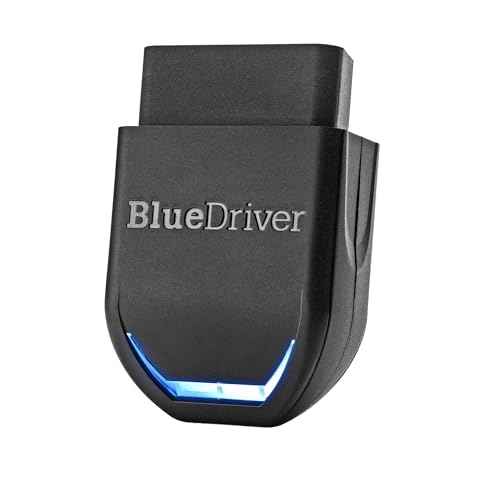
- Wireless iOS and Android connectivity
- Enhanced diagnostics on supported systems
- No subscription fees or required account
Best For: App-based diagnostics with repair reports and live data
Best Advanced Professional Scanner
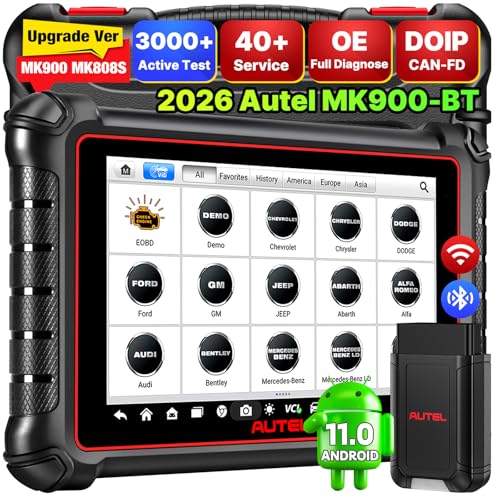
- All-system diagnostics with bidirectional controls
- More than 40 service functions
- CAN FD and DoIP protocol support
Best For: Advanced diagnostics and active tests on supported vehicles
Best Midrange Four-System Scanner

- Scans engine, ABS, SRS, and transmission systems
- Includes live data and I/M readiness
- Protective case and lifetime updates
Best For: Affordable multi-system checks without maintenance resets
Best Beginner Pick

- Reads and clears engine codes
- Includes live data and readiness checks
- No app or battery required
Best For: Beginners and DIY engine troubleshooting
Best Feature-Rich Option

- Tests battery and alternator health
- Includes oil reset and live data
- Connects to free repair guidance
Best For: DIY maintenance and broader vehicle checks
Best Budget Basic Scanner

- Handles common engine-code tasks
- Shows live data and freeze frames
- Supports multiple OBD2 protocols
Best For: Affordable basic check-engine diagnostics
Best Value for DIY Check-Engine Diagnostics

- Reads and clears engine fault codes
- Graphs live engine sensor data
- Includes I/M readiness and EVAP tools
Best For: DIY engine diagnostics and smog-readiness checks
Most Capable All-System Scanner

- Scans engine, transmission, ABS, and SRS
- Provides 12-plus reset and service functions
- Includes live-data graphing and AutoVIN
Best For: Advanced DIYers and professional-style vehicle diagnostics
Easiest Phone-Based Scanner

- Connects wirelessly to iPhone and Android
- Explains more than 39,000 vehicle issues
- Tracks multiple vehicles and maintenance reminders
Best For: Simple phone-based diagnostics for household vehicles
Best Budget Code Reader – ANCEL AD310 Classic
The ANCEL AD310 is a straightforward choice among car diagnostic scanners for checking emission-related trouble codes and investigating a check-engine light. It reads and clears codes, displays live data and freeze-frame information, and works directly from the vehicle’s OBDII port without batteries or a charger.
Best For: Drivers who want a compact, affordable engine-code reader for compatible 1996-and-newer OBD2 vehicles.
Pros:
- Reads and clears emission-related engine codes quickly.
- Supports major OBDII protocols, including CAN, KWP2000, ISO9141, J1850 VPW, and J1850 PWM.
- Compact, lightweight design with a sturdy 2.5-foot cable and clearly labeled buttons.
- Includes live data, freeze-frame, vehicle information, and I/M readiness functions.
Cons:
- Only supports emission-related diagnostics through the OBDII interface.
- Does not provide ABS, SRS, transmission, or other advanced system diagnostics.
- Compatibility should be confirmed for the specific vehicle.
The AD310 is a sensible pick when you mainly need a portable check-engine-light tool. Its limitations are important, but its simple operation and broad basic OBD2 compatibility make it useful for routine code checks at home or on the road.
Best Phone-Connected Scanner – BlueDriver Pro
BlueDriver Pro is a wireless option among car diagnostic scanners, pairing with an iOS or Android device to provide enhanced diagnostics and readable repair information. It can access supported ABS, SRS, TPMS, transmission, and check-engine codes without a subscription.
Best For: Vehicle owners who prefer app-based diagnostics, live data, and technician-verified repair reports across multiple supported systems.
Pros:
- Reads and clears more than basic engine codes on supported vehicles, including ABS, SRS, TPMS, and transmission systems.
- Provides VIN-matched, technician-verified repair reports with definitions, causes, and confirmed fixes.
- Offers live data, freeze frames, smog readiness, and Mode 6 test results.
- Includes free app updates with no subscription fees or required account.
Cons:
- Enhanced system coverage depends on the vehicle make, model, and year.
- Requires a compatible iOS or Android phone or tablet.
- Light-duty truck and diesel support is selective rather than universal.
BlueDriver Pro bridges the gap between a basic code reader and a larger professional scan tool. It is especially useful for drivers who want explanations and verified repair guidance, provided their vehicle is supported for the systems they need to scan.
Best Advanced Professional Scanner – Autel MaxiCOM MK900BT
The Autel MaxiCOM MK900BT is a high-capability choice among car diagnostic scanners for users who need all-system diagnostics, bidirectional controls, and service functions. Its feature set includes CAN FD and DoIP support, more than 40 service functions, and a large 8-inch display, although vehicle compatibility should be checked before purchase.
Best For: Advanced DIY users and technicians who need active tests, broad system coverage, and maintenance functions across supported vehicles.
Pros:
- Performs all-system diagnostics and can retrieve information from systems such as ABS, ECM, BCM, SRS, and TCM.
- Offers more than 3,000 listed active tests for commanding and monitoring supported components.
- Includes more than 40 service functions, including oil reset, ABS bleed, SAS calibration, injector coding, and battery registration.
- Supports CAN FD and DoIP protocols, Auto VIN, and pre- and post-diagnostic reports.
Cons:
- Active tests and service functions vary by vehicle and require compatibility verification.
- Includes one year of free software updates; subscription renewal may be needed for continued updates.
- Battery testing requires the separately purchased BT506 accessory.
The MK900BT is built for users who have outgrown basic code readers and need deeper control over vehicle systems. Its broad capabilities can justify the higher complexity, but checking the exact VIN and desired functions is essential before buying.
Best Midrange Four-System Scanner – FOXWELL NT604 Elite
The FOXWELL NT604 Elite offers broader coverage than basic car diagnostic scanners by checking the engine, ABS, SRS, and transmission systems. It arrives ready to use, includes live data and playback features, and supports vehicle identification through an AUTOVIN function on compatible cars.
Best For: Car owners who want affordable access to common engine, ABS, airbag, and transmission diagnostics without moving up to a full service-reset tool.
Pros:
- Scans four key areas: OBDII engine, ABS, SRS, and transmission systems.
- Includes live data, I/M readiness, a built-in DTC library, data playback, and printing.
- Supports more than 60 brands and provides a solid protective carrying case.
- Comes with the latest software installed and lifetime updates at no extra software fee.
Cons:
- Does not support maintenance functions such as oil reset, battery registration, ABS bleeding, or relearns.
- SRS crash or collision data cannot be cleared.
- AUTOVIN and diagnostic coverage vary by make, model, and year.
The NT604 Elite is a practical middle ground for drivers who need more than check-engine diagnostics but do not require bidirectional controls or service resets. Its four-system coverage and ready-to-use design make it a useful home diagnostic tool when the vehicle is supported.
Best Beginner Pick – ANCEL AD410
The ANCEL AD410 is a practical choice for drivers comparing car diagnostic scanners for check-engine troubleshooting. It reads and clears engine-related codes, displays definitions from a built-in library, and provides useful live-data and emissions-readiness information without requiring a phone, app, or separate battery.
Best For: Beginners and DIY drivers who need straightforward engine and emissions diagnostics.
Pros:
- Supports code reading, clearing, live data, freeze frame, I/M readiness, O2 sensor, and EVAP tests.
- Includes more than 42,000 built-in DTC definitions and a color display.
- Works with most OBD2 vehicles from the listed model years and supports multiple protocols.
- Powered through the vehicle, with no app, Bluetooth, charger, or battery required.
Cons:
- Limited to engine and emissions-related codes.
- Does not support ABS, SRS, transmission, bidirectional controls, or service resets.
- Compatibility should be checked for specific vehicles.
Choose the AD410 when simple, self-contained check-engine diagnostics matter most. Its feature set is useful for basic troubleshooting and verifying emissions readiness, but it is not intended for full-system professional diagnostics.
Best Feature-Rich Option – Innova 5210
The Innova 5210 stands out among car diagnostic scanners for drivers who want engine diagnostics plus battery testing and maintenance features. It offers live data, readiness checks, an oil-reset function, and access to RepairSolutions2 guidance, while some vehicles may also support ABS code reading.
Best For: DIY owners who want broader maintenance guidance and battery testing in one tool.
Pros:
- Combines OBD2 diagnostics with a car battery and alternator health tester.
- Provides live data, drive-cycle readiness information, and an oil-light reset feature.
- RepairSolutions2 offers verified fixes, suggested parts, and cost estimates without subscriptions.
- Compatible with many U.S., Asian, and European vehicles from 1996 onward, subject to coverage.
Cons:
- ABS coverage and other features vary by vehicle, so the coverage checker is important.
- Readiness monitors need a complete drive cycle after battery disconnection or code clearing.
- Requires a firm connection and correct ignition-on setup for code reading.
The 5210 is a strong fit if you want more than a basic code reader, especially battery testing and repair guidance. Verify vehicle coverage first, since supported systems and functions differ by make, model, and year.
Best Budget Basic Scanner – MOTOPOWER MP69033
The MOTOPOWER MP69033 is a straightforward option for shoppers seeking car diagnostic scanners for basic check-engine work. Its built-in code library, freeze-frame data, live readings, and large display cover common OBD2 tasks, while the direct vehicle connection keeps setup simple.
Best For: Budget-minded drivers who need basic engine-code and readiness checks.
Pros:
- Reads and clears engine codes, displays freeze-frame data, and checks I/M readiness.
- Shows live information including speed, engine RPM, coolant temperature, and calculated load.
- Supports nine protocols and many listed U.S., European, and Asian OBD2 vehicles.
- Offers a 2.8-inch display, six languages, and a flexible 2.5-foot cable.
Cons:
- Does not support ABS, airbag, oil-service, or other non-OBD2 systems.
- Vehicle compatibility should be confirmed before purchase.
- It is designed for basic engine diagnostics rather than advanced controls.
Consider the MP69033 when affordability and essential engine diagnostics are the priority. It provides useful readings and code functions for common OBD2 jobs, but shoppers needing airbag, ABS, or service-light coverage should choose a more specialized scanner.
Best Value for DIY Check-Engine Diagnostics – FOXWELL NT301
For straightforward car diagnostic scanners focused on check-engine problems, the FOXWELL NT301 combines plug-and-play operation with live data and emissions-readiness tools. It reads and clears engine fault codes, displays sensor data, and works with many 1996-and-newer OBDII vehicles.
Best For: DIYers and car owners who primarily need engine-code diagnosis, repair verification, and smog-readiness checks.
Pros:
- Reads and clears engine fault codes with a simple one-click process.
- Displays and graphs live data such as oxygen sensors, fuel trims, coolant temperature, and RPM.
- Includes I/M readiness hotkeys, EVAP testing support, and a daylight-readable color screen.
- Requires no charging, setup, or subscription and includes lifetime free updates.
Cons:
- Does not provide dedicated ABS, SRS, TPMS, or full-system manufacturer-specific diagnostics.
- Does not support service resets, key programming, or battery health testing.
- Available functions vary by vehicle, so compatibility should be checked before purchase.
The NT301 is a practical choice when your main goal is understanding and addressing a check-engine light without paying for professional-level system coverage. Choose a more advanced scanner if you need ABS, airbag, transmission, or service-reset functions.
Most Capable All-System Scanner – BLCKTEC 460T
The BLCKTEC 460T is one of the more comprehensive car diagnostic scanners in this roundup, covering engine, transmission, ABS, and SRS systems alongside numerous service functions. Its live-data tools, AutoVIN, and automatic system scanning make it suited to deeper troubleshooting.
Best For: Home mechanics and professionals who need broad system coverage and workshop-style reset functions.
Pros:
- Performs all-system diagnostics for engine, transmission, ABS, and SRS modules.
- Offers 12-plus service functions, including oil, EPB, SAS, DPF, battery, TPMS, and throttle resets.
- Supports graphing, recording, replaying, and overlaying up to four live-data streams.
- Includes AutoVIN, AutoScan, AutoReLink, RepairSolutions2 access, and lifetime updates.
Cons:
- Function availability depends on the vehicle’s specific year, make, and model.
- Compatibility should be verified through BLCKTEC before purchase if a particular service function is important.
- Its broader feature set may be more than casual users need for a basic check-engine scan.
The 460T is the strongest fit here for users who want one scanner to cover multiple control modules and common maintenance procedures. Verify vehicle compatibility first, especially for advanced resets and OEM-level functions.
Easiest Phone-Based Scanner – FIXD Bluetooth OBD2 Scanner
The FIXD Bluetooth OBD2 Scanner turns a smartphone into a convenient car diagnostic scanner. Its app explains fault codes in simpler language, supports unlimited scans for multiple vehicles, and can track mileage-based maintenance reminders from an iPhone or Android device.
Best For: Drivers who prefer wireless phone-based diagnostics, plain-language explanations, and managing several household vehicles in one app.
Pros:
- Connects wirelessly to iPhone and Android devices for convenient scanning.
- Identifies more than 39,000 issues across thousands of vehicles and explains codes in accessible terms.
- Supports unlimited scans and lets users save vehicle records, track mileage reminders, and share results.
- Compact sensor stays under the dash and supports gasoline and hybrid vehicles from 1996 onward plus diesel vehicles from 2006 onward.
Cons:
- Requires a compatible smartphone and the FIXD app for operation.
- Some advanced insights and support features are tied to the optional premium upgrade after the included trial.
- Features vary by vehicle make and model, and the manufacturer lists no warranty.
FIXD is a convenient option for routine code checks and maintenance awareness, particularly if you manage multiple cars. It is less suitable for shoppers seeking a dedicated handheld scanner with extensive professional module coverage.
How We Picked These Car Diagnostic Scanners
We focused on scanners that offer useful coverage for their intended audience, clear code-reading capabilities, practical vehicle compatibility, and features that can save time during diagnosis or routine maintenance. The list includes basic wired readers, Bluetooth adapters, midrange multi-system tools, and advanced bidirectional equipment.
We also considered whether each scanner supports live data, code clearing, service resets, additional modules such as ABS and SRS, and newer communication standards where specified. A more expensive scanner is not automatically better for every driver; the right choice depends on the systems you need to access.
Quick Comparison
| Best For | What to Look For |
|---|---|
| Occasional check-engine lights | Simple OBD2 code reading and clearing |
| DIY maintenance | Live data, battery testing, and service resets |
| ABS, SRS, or transmission diagnosis | Multi-system vehicle coverage |
| Frequent troubleshooting | Graphing, reporting, updates, and broad compatibility |
| Professional-level diagnosis | Bidirectional controls, topology or advanced network support, and extensive resets |
Key Buying Factors for Car Diagnostic Scanners
System Coverage
Basic OBD2 readers generally focus on emissions-related engine codes. If you need to diagnose airbag, antilock-brake, transmission, or tire-pressure faults, choose a scanner that explicitly supports those modules for your vehicle.
Live Data and Testing Features
Live sensor data can help identify intermittent problems and confirm whether repairs worked. Battery tests, freeze-frame information, readiness monitors, and graphing are especially useful for DIY troubleshooting.
Reset and Service Functions
Oil-life resets may be enough for routine maintenance, while electronic parking-brake, battery-registration, steering-angle, diesel-particulate-filter, or throttle resets require a tool with the appropriate dedicated functions. Verify vehicle-specific support before buying.
Connection Type and Updates
Wired scanners are ready to use and do not depend on a phone or app. Bluetooth models are convenient for reports and mobile viewing, but check app requirements, privacy preferences, update policies, and whether advanced features require payment.
Vehicle Compatibility
Most OBD2 vehicles sold in the United States since 1996 work with basic emissions scanning, but enhanced functions vary by make, model, year, and region. Confirm compatibility on the manufacturer’s lookup page before purchase.
Who Should Buy Which Car Diagnostic Scanners?
Choose a compact basic reader if you mainly want to identify a check-engine code before deciding whether to visit a mechanic. A midrange scanner with live data and service functions suits hands-on owners who perform their own maintenance. Select a Bluetooth model if phone-based reports and portability matter most. For repeated work across several vehicles, prioritize multi-system coverage, frequent software updates, and a strong vehicle database. Advanced users and professionals should look for bidirectional controls and broad service coverage rather than paying for features they will never use.