If you’re looking to enhance your vocal recordings, ribbon microphones might be the perfect solution. They offer a unique warmth and clarity that can elevate your sound quality remarkably. With various options available, you’ll want to evaluate the best choices on the market today. From active models to classic designs, these microphones cater to different needs and preferences. Let’s explore which ribbon microphones can truly transform your sound.
SE ELECTRONICS – X1 Series Ribbon Microphone and Clip

If you’re looking for a ribbon microphone that excels in capturing the nuances of vocals, the SE Electronics – X1 Series Ribbon Microphone is an excellent choice. With a frequency range of 20 Hz to 16 kHz and a sensitivity of 1.78 mV/Pa, it delivers authentic sound quality. Its sturdy brass construction guarantees durability while handling high sound pressure levels, making it perfect for close-miking instruments. You’ll appreciate its warmth and clarity, especially for voiceovers. Plus, using a pop filter can enhance its performance. Weighing around 1.65 pounds, it’s best paired with a robust mic stand for ideal results.
Best For: Those seeking a durable ribbon microphone that captures vocals and instruments with warmth and clarity.
Pros:
- Excellent sound accuracy capturing nuances of vocals with minimal post-processing.
- Durable construction that withstands drops and high sound pressure levels.
- Versatile usage suitable for various applications including voiceovers and close-miking instruments.
Cons:
- Heavier design may require a sturdy mic stand for optimal use.
- Requires phantom power which may limit compatibility with some devices.
- Slight upper boost may not be ideal for all vocal types, particularly bright or nasally voices.
MXL R144 Multi-Purpose Ribbon Microphone with Shockmount, Purple (MXL R144)
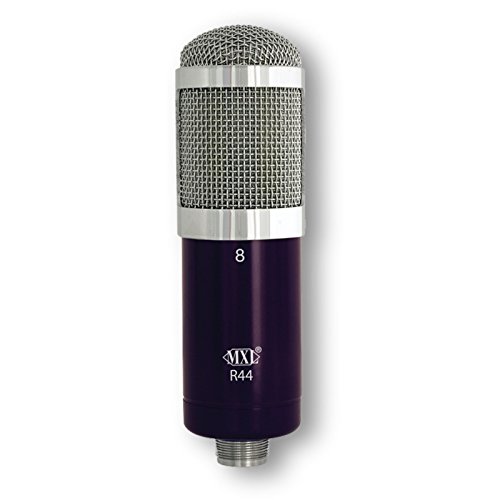
The MXL R144 Multi-Purpose Ribbon Microphone stands out as an excellent choice for vocalists and recording enthusiasts seeking a rich, smooth tonal quality at an affordable price. With its classic ribbon sound and natural response, it excels in capturing vocals and acoustic instruments alike. The figure-8 polar pattern guarantees outstanding side rejection, making it ideal for various recording environments. Weighing only 0.7 kg and featuring a durable metal body, it’s both portable and resilient. Users appreciate its aesthetic appeal and ease of use, though they recommend pairing it with quality preamps for peak performance. Enjoy the sound quality this mic brings!
Best For: Vocalists and recording enthusiasts looking for an affordable microphone that delivers a rich, smooth tonal quality for various recording applications.
Pros:
- Excellent sound quality with a classic ribbon tone, ideal for vocals and acoustic instruments.
- Lightweight and portable design with a durable metal body.
- Outstanding side rejection due to its figure-8 polar pattern, suitable for diverse recording environments.
Cons:
- Some users report a darker sound lacking in detail compared to higher-end models.
- A few customers experienced build quality issues and ribbon damage upon arrival.
- Requires careful setup and pairing with quality preamps for optimal performance.
Shure SM58 Pro XLR Dynamic Microphone (SM58-LC)

For vocalists seeking a reliable and high-quality microphone, the Shure SM58 Pro XLR Dynamic Microphone (SM58-LC) stands out as a top choice. Its tailored frequency response and brightened midrange guarantee your vocals are clear and present. The uniform cardioid polar pattern delivers warm, crisp sound, capturing every note perfectly. Renowned worldwide, the SM58 is a favorite for live performances and studio recordings alike. Its durable construction and built-in pop filter help minimize background noise, allowing for pristine recordings. With versatile applications and included accessories, this microphone is designed to enhance your sound quality in any setting.
Best For: Vocalists and performers seeking a high-quality, durable microphone for live and studio use.
Pros:
- Exceptional vocal clarity with tailored frequency response and brightened midrange.
- Durable construction with a break-resistant stand adapter, ensuring reliability in tough performance environments.
- Built-in pop filter and spherical mesh grille effectively minimize background noise for clearer recordings.
Cons:
- As a dynamic microphone, it may not capture the full frequency range of some instruments.
- Requires additional XLR cable for use, which is not included in the package.
- Heavier than some other microphones, which may be a concern for extended use.
R1 Active MKIII Active Ribbon Microphone

Looking for a microphone that captures the warmth and clarity of your vocals? The R1 Active MKIII Active Ribbon Microphone is an excellent choice. It combines classic ribbon sound with modern active electronics, ensuring consistent sound quality. You’ll appreciate its large, mellow tone and smooth highs, making it perfect for vocals and acoustic instruments. Plus, its high sensitivity captures subtle nuances beautifully. With a switchable -10dB pad and low cut filter, you can tailor the sound to your needs. While it’s budget-friendly, be mindful of self-noise at high gains. Overall, it’s a fantastic option for any recording setup.
Best For: Those seeking a budget-friendly ribbon microphone that delivers warmth and clarity for vocals and acoustic instruments.
Pros:
- Combines classic ribbon sound with modern active electronics for consistent quality.
- High sensitivity captures subtle vocal performances and nuances effectively.
- Features switchable -10dB pad and low cut filter for customizable sound.
Cons:
- Some users report self-noise issues at high gain levels, particularly for quiet recordings.
- Sensitivity to sibilance and plosives may require careful positioning.
- Concerns about the durability of knobs and connectors noted in user feedback.
Shure SM58 Pro XLR Dynamic Microphone

Exceptional vocal performance makes the Shure SM58 Pro XLR Dynamic Microphone a top choice for singers and performers alike. Its tailored frequency response and brightened midrange guarantee your vocals shine through clearly. With a uniform cardioid polar pattern, it captures every note while isolating your voice from surrounding sounds. Recognized globally as an industry standard, the SM58 excels in both live venues and studio settings. Its durable construction and built-in pop filter minimize background noise, enhancing audio clarity. Plus, the convenient on/off switch and included accessories, like a stand adapter and storage bag, make it a reliable companion for any performance.
Best For: Vocalists and performers seeking a reliable microphone that delivers exceptional sound quality in live and studio settings.
Pros:
- Exceptional vocal clarity with tailored frequency response and brightened midrange.
- Durable construction with a break-resistant stand adapter for reliable performance.
- Built-in pop filter and noise-reducing design enhance audio clarity by minimizing background noise.
Cons:
- May require a specific type of audio interface or mixer for optimal performance.
- Heavier than some competing microphones, which could be a consideration for portability.
- Lacks advanced features like USB connectivity or built-in effects that some modern microphones offer.
Warm Audio WA-44 Studio Ribbon Microphone

The Warm Audio WA-44 Studio Ribbon Microphone is a fantastic choice for vocalists and musicians seeking that vintage warmth reminiscent of classic RCA ribbon mics from the 1930s. It captures rich lows and mids without harsh highs, making your vocals shine. The enhanced proximity effect delivers powerful bass and smooth tones, perfect for vocals, horns, and drums. With a boutique-quality design, it features a custom-crafted Japanese ribbon and a durable USA-Made CineMag transformer. Hand-tested in Austin, TX, this mic weighs over six pounds and comes with a shielded Gotham XLR cable, ensuring you get that full, low-noise sound you desire.
Best For: Vocalists and musicians looking for a vintage ribbon microphone that captures rich, warm tones without harsh highs.
Pros:
- Boutique-quality design with premium components for exceptional sound.
- Enhanced proximity effect provides powerful bass and smooth lead tones.
- Hand-tested for quality assurance, ensuring reliability in performance.
Cons:
- Weighs over six pounds, which may be cumbersome for some users.
- Higher price point compared to standard dynamic microphones.
- Limited to figure-8 polar pattern, which may not suit all recording environments.
Stagg Ribbon Microphone (SRM70)

If you’re searching for a versatile microphone that excels in capturing the nuances of vocals and a variety of instruments, the Stagg Ribbon Microphone (SRM70) stands out with its vivid, natural sound and quick transient response. With a figure-8 polar pattern and a frequency response range of 20 Hz to 18 kHz, it’s perfect for both studio and stage use. Weighing just 1.95 kg, it’s easy to handle, and the included shock mount enhances its stability. While it’s an economical alternative to pricier models, consider using a high-output preamp for peak performance, ensuring you capture every detail of your sound.
Best For: Musicians and vocalists seeking an affordable yet high-quality ribbon microphone for both studio and live performances.
Pros:
- Produces a vivid and natural sound ideal for vocals and a wide range of instruments.
- Comes with a shock mount for enhanced stability and handling.
- Economical alternative to more expensive ribbon microphones, making it budget-friendly.
Cons:
- May require a high-output mic preamp or inline phantom booster for optimal performance.
- Some initial units may have quality control issues, such as rattling or being dead on arrival.
- Lower output level compared to some competitors, which might affect usability with standard preamps.
Shure SM58 Pro Dynamic Microphone with 25-Foot XLR Cable

For anyone seeking a reliable and versatile microphone, the Shure SM58 Pro Dynamic Microphone stands out as an excellent choice. Weighing just 2.2 lbs, it features a tailored frequency response from 50-15,000 Hz, ensuring clear vocal reproduction. Its uniform cardioid polar pattern effectively isolates sound, minimizing background noise during performances. Ideal for live concerts, podcasting, or studio sessions, this microphone includes a 25-foot XLR cable, A25D mic clip, and a storage bag. Users love its durability and consistent sound quality, making it a long-term investment for musicians and public figures alike. With a 4.7-star rating, it’s a proven favorite.
Best For: The Shure SM58 Pro Dynamic Microphone is best for musicians, podcasters, and public speakers seeking a durable and high-quality microphone for live performances and recordings.
Pros:
- Exceptional vocal performance with clear sound reproduction and tailored frequency response.
- Rugged construction ensures durability, making it suitable for both live and studio settings.
- Includes essential accessories like a 25-foot XLR cable and mic clip, providing great value.
Cons:
- Requires higher gain settings for optimal performance, which may introduce noise without quality amplification.
- Some users may find the weight cumbersome for extended use.
- Not compatible with devices that require phantom power, limiting its versatility in certain setups.
SE ELECTRONICS VR1 Passive Ribbon Microphone
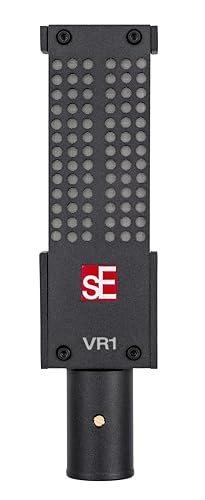
With its exceptional 56 decibel audio sensitivity, the sE Electronics VR1 Passive Ribbon Microphone is an outstanding choice for vocalists looking to capture rich, warm tones. This figure-8 microphone features a robust aluminum build and a shotgun form factor, weighing just 2.54 pounds for easy handling. With a frequency response up to 20 kHz and a signal-to-noise ratio of 74 dB, it delivers impressive clarity. Users rave about its incredible sound quality, making it a perfect entry point into the world of ribbon microphones. Plus, recent price drops enhance its value, ensuring it fits within your budget.
Best For: The sE Electronics VR1 Passive Ribbon Microphone is best for vocalists and audio engineers seeking a high-quality, budget-friendly microphone that captures warm and rich tones.
Pros:
- Exceptional audio sensitivity of 56 dB for capturing detailed sound.
- Lightweight and durable aluminum construction, making it easy to handle.
- Impressive frequency response up to 20 kHz, ensuring clarity in recordings.
Cons:
- Passive design may require a preamp for optimal performance.
- Limited to a figure-8 pickup pattern, which may not suit all recording situations.
- Some users have reported dissatisfaction with pricing deals, indicating potential value concerns.
MXL R144 HE Heritage Edition Classic Ribbon Microphone

The MXL R144 HE Heritage Edition Classic Ribbon Microphone stands out as an excellent choice for musicians and vocalists seeking a warm, vintage sound without breaking the bank. With a figure-8 polar pattern and a frequency response of 20Hz to 17kHz, it captures vocals and instruments with remarkable detail. The microphone’s vintage tone and smooth frequency response require minimal EQ, making it user-friendly. Although some users note low output levels, its versatility shines in studio settings. The included shock mount and carrying case enhance convenience, ensuring you’ve got everything you need to elevate your sound quality efficiently.
Best For: Musicians and vocalists looking for a budget-friendly ribbon microphone that delivers a warm, vintage sound with versatility in recording.
Pros:
- Excellent sound quality with minimal EQ needed for vocals and instruments.
- Includes a shock mount and carrying case for added convenience.
- Versatile performance in studio settings, effective for various recording techniques.
Cons:
- Some users report low output levels compared to higher-end models.
- Inconsistent build quality with concerns about fragile ribbons.
- Shock mount design may hinder optimal microphone positioning.
Factors to Consider When Choosing Ribbon Microphones for Vocals
When you’re choosing a ribbon microphone for vocals, several factors can make a big difference in sound quality. Consider the frequency response range, microphone polar pattern, and sensitivity levels to guarantee it fits your needs. Don’t forget about build quality and compatibility with your existing equipment, as these elements can affect your overall recording experience.
Frequency Response Range
Choosing the right ribbon microphone for vocals hinges on understanding its frequency response range, as this directly influences how well it captures the nuances of your voice. Typically, ribbon microphones cover a range from 20 Hz to about 20 kHz, effectively capturing a broad spectrum of vocal frequencies. A wider frequency response enhances the microphone’s ability to reproduce the subtleties in your performance, making it versatile for various genres. If your vocals tend to be bright or nasally, look for a mic with a slight boost in the upper range for added clarity. Meanwhile, a robust low-frequency response provides warmth and depth, perfect for rich, full sounds. Match these characteristics to your voice and environment for best results.
Microphone Polar Pattern
Understanding the frequency response range of ribbon microphones is just the starting point; the polar pattern plays an equally significant role in capturing vocals effectively. Ribbon microphones typically feature a figure-8 polar pattern, which captures sound equally from the front and rear while rejecting noise from the sides. This design is ideal for mid-side recording techniques, enhancing vocal recordings’ stereo image and overall sound quality. In live settings or studios with reflective surfaces, this pattern minimizes unwanted reflections. However, positioning matters—variances in sound can occur depending on the angle of the source. Ultimately, the figure-8 configuration can capture nuanced vocal qualities, providing that rich, warm sound profile many seek in their recordings.
Sensitivity and Noise Levels
While evaluating ribbon microphones for vocal recordings, sensitivity and noise levels are key factors that can greatly impact your sound quality. Sensitivity, measured in decibels (dB), indicates how well a microphone converts sound into an electrical signal. A higher sensitivity rating, like 56 dB, lets you capture softer vocals without extra amplification. Self-noise levels, also in dB, refer to the noise generated by the microphone itself; lower levels, such as 23 dB, guarantee clearer recordings in quiet settings. Additionally, the signal-to-noise ratio (SNR) is essential for clarity—higher ratios, like 76 dB, yield cleaner signals with less background noise. Proper placement and distance from the sound source can further enhance sensitivity and reduce interference, promoting ideal recording quality.
Build Quality and Durability
When selecting a ribbon microphone for vocal recordings, build quality and durability play a significant role in your overall experience. While ribbon mics are often seen as fragile, models like the SE Electronics X1 Series and R1 Active MKIII prove that many can endure drops without significant damage. Look for microphones made from robust materials like brass or metal, as these offer better resistance to wear and tear. Keep in mind that heavier microphones may need sturdier stands for stability, which can impact durability during recordings. Proper care, such as using shock mounts and minimizing handling, can also extend their lifespan. Finally, check warranty options and customer feedback to verify you’re choosing a reliable product.
Compatibility With Equipment
Choosing the right ribbon microphone for vocals hinges on its compatibility with your existing equipment. Ribbon mics typically require high-quality preamps to provide sufficient gain, as they often have lower output levels than dynamic mics. If you’re considering an active ribbon microphone like the R1 Active MKIII, keep in mind it needs phantom power, while passive options like the sE Electronics VR1 do not. Check the impedance, usually between 200 and 250 ohms, to verify it matches your recording device or mixer. Additionally, be aware that many ribbon microphones feature a figure-8 polar pattern, necessitating careful placement to minimize background noise. Finally, confirm that your interface or mixer can handle the microphone’s signal-to-noise ratio for maximum clarity in your recordings.