Winter power needs are different: shorter daylight, colder temperatures, and higher demand from lights, communications gear, and essential appliances can quickly expose a small power station’s limits.
We compared 10 winter solar generators across battery capacity, output, included panels, portability, and everyday backup usefulness so you can choose a setup that fits your winter plans and power requirements.
Best 10 Winter Solar Generators Picks for 2026
Top Heavy-Duty Pick

- 2,000W output with 4,500W surge
- Expandable 1,024Wh–5,120Wh capacity
- Includes 100W panel and UPS mode
Best For: Home backup, RV travel, and demanding appliances
Best Compact LiFePO4 Value

- 192Wh LiFePO4 battery in a 5.84-pound body
- 300W pure sine wave output
- Includes 30W panel and eight output ports
Best For: Camping and small-device emergency backup
Best Lightweight Solar Kit

- 172Wh station with included 40W panel
- Power station weighs only 3.3 pounds
- AC, USB, and DC outputs for personal devices
Best For: Road trips, camping, and lightweight device charging
Best Ultralight Camping Option
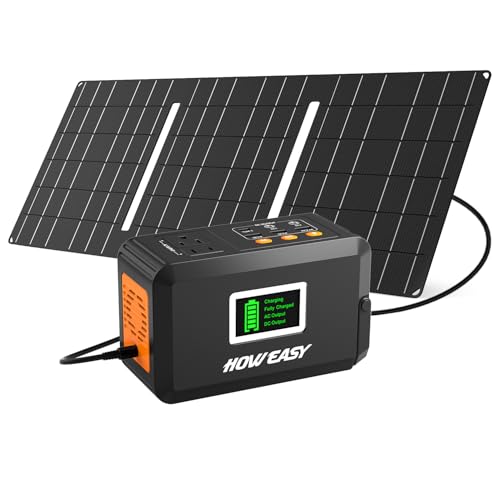
- 88Wh capacity with 120W output
- Power station weighs just 2.3 pounds
- Includes 30W panel and three recharge methods
Best For: Lightweight camping and small electronics
Best Compact Pick
MARBERO 111Wh Solar Generator Kit

- Includes a 30W folding solar panel
- Lightweight 111Wh battery with varied ports
- Best suited to small electronics and short outages
Best For: Campers and emergency kits needing lightweight device charging
Best Midrange Value

- 280Wh battery with included 40W panel
- Multiple AC, USB, QC, and DC outputs
- 300W ceiling favors electronics and small loads
Best For: Camping, RV use, and moderate emergency charging
Best Long-Term Backup
Cubus 600L LiFePO4 Solar Generator

- 576Wh LiFePO4 battery with 600W continuous output
- Includes a 100W panel and supports pass-through charging
- Seven ports and a 1,200W peak for broader device support
Best For: RV trips, camping, and more demanding emergency backup
Best Value Winter Solar Generator
300W Power Station with 60W Panel

- 296Wh battery with 300W pure sine wave output
- 60W foldable panel included
- Solar, AC, and car charging options
Best For: Campers and emergency-preparedness buyers wanting a higher-capacity portable kit
Best Feature-Rich Winter Solar Generator

- 237Wh battery with 300W pure sine wave output
- Multiple AC, USB, USB-C, and DC ports
- Flashlight, strobe, and SOS lighting modes
Best For: Outdoor users needing flexible charging and emergency illumination
Top Heavy-Duty Pick – OUPES Mega 1
For shoppers comparing winter solar generators for outages, RV use, or demanding appliances, the OUPES Mega 1 stands out with 2,000W of pure sine wave output, a 1,024Wh LiFePO4 battery, and a 100W solar panel included. Its fast charging and expandable capacity make it especially practical when winter backup needs extend beyond small electronics.
Best For: Home emergency backup, RV travel, and users who need to run higher-wattage appliances.
Pros:
- 2,000W continuous output with 4,500W surge capacity for appliances and power tools.
- Expandable from 1,024Wh to 5,120Wh with additional batteries.
- LiFePO4 battery rated for 3,500+ cycles, plus UPS support under 20ms.
- Includes a 100W solar panel and supports up to 800W solar input.
Cons:
- Its 27.8-pound weight is less convenient than smaller camping-focused units.
- Additional batteries and higher-output solar panels are needed for maximum capacity and charging performance.
The Mega 1 is the most capable option in this group for serious winter preparedness. Its combination of high output, expandable storage, fast AC charging, and UPS functionality comes at the cost of greater size and a more involved setup for full solar performance.
Best Compact LiFePO4 Value – DaranEner 300W
The DaranEner 300W is a compact choice among winter solar generators, pairing a 192Wh LiFePO4 battery with a 30W solar panel. At just 5.84 pounds, it is easy to keep in a vehicle, tent, or emergency kit while still offering clean AC power for smaller equipment.
Best For: Camping, travel, and short-duration backup for phones, laptops, CPAP machines, and other modest loads.
Pros:
- Lightweight 5.84-pound design with two pure sine wave AC outlets.
- LiFePO4 cells provide 3,500+ cycles to 80% capacity.
- Eight output ports can power several devices simultaneously.
- Recharges through AC, a vehicle outlet, or the included 30W solar panel.
Cons:
- The 192Wh capacity is limited for extended outages or high-draw appliances.
- Its 300W output is not intended for heavy-duty equipment.
This DaranEner model is a sensible portable backup when weight, safety, and everyday connectivity matter more than long runtimes. The included panel adds off-grid flexibility, but winter users should plan around its modest capacity and solar input.
Best Lightweight Solar Kit – MARBERO M822MAX
For lightweight winter solar generators that are easy to carry, the MARBERO M822MAX combines a 172Wh power station with a foldable 40W solar panel. Its multiple AC, USB, and DC outputs cover common personal electronics, while the compact design suits camping, road trips, and basic outage preparedness.
Best For: Backpacking-style travel, road trips, and charging personal electronics away from the grid.
Pros:
- Very light setup: the power station weighs 3.3 pounds and the panel 2.3 pounds.
- Includes two AC outlets plus USB-A, USB-C, and DC outputs.
- 40W panel uses a stated 21.5–23.5% conversion rate.
- Supports AC, solar, and car charging.
Cons:
- 172Wh capacity and 200W output limit it to smaller electronics and lighter loads.
- Solar charging depends on direct sunlight, which can be less consistent in winter.
The MARBERO kit prioritizes portability over runtime. It is a convenient personal-power solution for phones, tablets, cameras, and similar devices, but shoppers needing appliance support or long outage coverage should consider a larger station.
Best Ultralight Camping Option – HOWEASY H120
The HOWEASY H120 is one of the easiest winter solar generators to carry, weighing 2.3 pounds and including a 30W folding solar panel. Its 88Wh battery and 120W output are suited to lights, fans, phones, and other small camping essentials rather than major appliances.
Best For: Lightweight camping, emergency phone charging, and powering small low-wattage accessories.
Pros:
- Extremely portable 2.3-pound power station with a compact folding panel.
- Eight output ports include AC, USB-C, USB-A, and DC connections.
- Offers AC, solar, and car recharging options.
- Includes a two-year warranty and a stated cycle life above 1,500 cycles.
Cons:
- The 88Wh capacity provides limited runtime for extended winter outages.
- 120W output is suitable only for smaller devices and accessories.
- The 30W solar panel may recharge slowly when sunlight is weak.
This is the most travel-friendly option in the roundup and a practical companion for basic camping power. Its small battery keeps the weight down, but users preparing for prolonged outages or larger loads will need a higher-capacity generator.
Best Compact Pick – MARBERO 111Wh Solar Generator Kit
For lightweight winter solar generators, the MARBERO M82MAX is designed for charging small electronics during camping trips, road travel, or short power interruptions. Its included 30W folding panel and 111Wh battery make it an easy-to-carry option, though its 80W continuous AC output limits it to smaller devices.
Best For: Campers, travelers, and emergency kits focused on phones, lights, laptops, and other low-wattage electronics.
Pros:
- Includes a 30W foldable solar panel and multiple charging cables.
- Lightweight design, with the power station weighing about 2.3 pounds.
- Offers USB-A, USB-C, AC, and DC outputs for flexible charging.
- Built-in protections help guard against overcharging, overloads, and short circuits.
Cons:
- Its 111Wh capacity is suited to small electronics rather than extended backup power.
- The AC outlets provide 80W continuous output, with 120W peak output.
- The included 30W panel may recharge slowly in weak winter sunlight.
The MARBERO is a practical, highly portable choice when pack weight matters more than runtime. It works best as a small-device charging kit, not as a solution for high-draw appliances or whole-home backup.
Best Midrange Value – ZeroKor 300W Solar Generator
This ZeroKor kit is a useful middle ground among winter solar generators, pairing a 280Wh battery with a portable 40W solar panel. It provides several outlets for phones, tablets, laptops, lights, and other modest camping or emergency loads, while its 300W limit keeps expectations realistic.
Best For: Tent campers, RV users, and households wanting more capacity than a compact charger without moving to a heavier high-output station.
Pros:
- 280Wh capacity offers more stored energy than smaller 100Wh-class units.
- Two 110V AC outlets provide up to 300W maximum output.
- Includes USB, QC, DC, and AC charging options plus an SOS flashlight.
- Built-in protection covers short circuits, over-current, over-voltage, and overloads.
Cons:
- Devices drawing more than 300W may damage or overload the generator.
- High-draw appliances such as coffee makers, hair dryers, and pumps are not recommended.
- The 40W panel can provide limited winter recharge speed in cloudy conditions.
With its larger battery and broad port selection, the ZeroKor offers a sensible balance for everyday portable power. It is better suited to electronics and small camping equipment than heating appliances or compressor-driven devices.
Best Long-Term Backup – Cubus 600L LiFePO4 Solar Generator
For shoppers seeking higher-capacity winter solar generators, the Cubus 600L combines a 576Wh LiFePO4 battery with a 100W solar panel and 600W continuous pure sine wave output. Its larger capacity, pass-through charging, and seven ports make it the most capable option here for camping, RV trips, and emergency backup.
Best For: RV owners, campers, and households needing longer runtimes for electronics, CPAP machines, lights, mini-fridges, or other compatible loads.
Pros:
- 576Wh LiFePO4 battery is rated for 3,000-plus cycles to 80% capacity.
- Provides 600W continuous output and 1,200W peak pure sine wave power.
- Supports 100W solar, 130W AC, and 120W car charging, including pass-through charging.
- Seven ports include AC outlets, 100W USB-C, USB-A, and a 120W car socket.
Cons:
- At about 13.7 pounds, it is considerably less portable than the smaller units.
- The included 100W panel may still recharge slowly during poor winter weather.
- Car cables are sold separately.
The Cubus 600L is the strongest all-around choice in this group when capacity, durability, and output matter most. Its 600W rating still does not make it suitable for every high-wattage appliance, but it offers substantially more flexibility for backup and outdoor use.
Best Value Winter Solar Generator – 300W Power Station with 60W Panel
For shoppers comparing winter solar generators, this EnginStar kit offers a useful balance of capacity, portability, and included charging equipment. Its 296Wh battery, 300W pure sine wave output, and 60W foldable monocrystalline panel make it practical for camping, backup power, and charging smaller electronics.
Best For: Campers and emergency-preparedness buyers who want a relatively high-capacity portable kit with a solar panel included.
Pros:
- 296Wh capacity with 300W AC output and two pure sine wave outlets.
- Includes a 60W foldable solar panel with 23% conversion efficiency.
- Eight output ports support simultaneous charging of multiple devices.
- Can recharge from solar, a wall outlet, or a 12V car socket.
Cons:
- The power station weighs 6.5 pounds, making it heavier than some compact alternatives.
- The 60W panel weighs 4 pounds and may be less convenient for ultralight packing.
- Its 300W output is intended for smaller electronics and appliances rather than high-wattage heating devices.
With its larger battery and three charging methods, this is a strong all-around option when winter outings or outage preparation call for flexibility. The included panel and regulated DC outputs add value, though the overall kit is better suited to moderate portable power needs than demanding appliances.
Best Lightweight Winter Solar Generator – 300W Power Station with 40W Panel
This Apowking model stands out among winter solar generators for its compact five-pound design and quiet operation. The 220Wh battery, 300W pure sine wave output, and included 40W monocrystalline panel cover everyday charging needs during camping trips, road travel, and short home outages.
Best For: Day campers, road-trippers, and buyers prioritizing low weight, quiet operation, and broad device compatibility.
Pros:
- Weighs about 5 pounds and fits in a compact 8.5 × 6.7 × 4.1-inch body.
- Includes a 40W, 24%-efficient monocrystalline solar panel with 10 DC connectors.
- Seven-port layout can power up to six devices at once, including USB-C devices.
- Integrated 300-lumen floodlight can run for more than 30 hours on one charge.
Cons:
- The 220Wh capacity is lower than the capacity of some similarly rated 300W units.
- The included 40W panel provides less solar input than the larger-panel kits in this roundup.
- Its 300W rating limits use with higher-demand appliances.
This is a convenient choice when portability matters more than maximum runtime. Its silent operation, multiple charging ports, and wide-area light are especially useful in tents or quiet indoor spaces, while the smaller battery and panel favor shorter trips and lighter loads.
Best Feature-Rich Winter Solar Generator – MARBERO 300W with 60W Panel
For buyers seeking winter solar generators with flexible device charging, the MARBERO M823 combines a 237Wh battery with a 60W foldable solar panel. Its pure sine wave AC outlets, USB-C and USB-A ports, DC output, and built-in emergency lighting make it a versatile option for camping, hiking, fishing, and household backup.
Best For: Outdoor users and emergency kits that need many charging connections plus built-in flashlight and SOS functions.
Pros:
- Provides 300W rated output with 375W peak output through two pure sine wave AC outlets.
- Includes a 60W foldable panel with a stated 21.5–23.5% conversion rate.
- Offers AC, USB-A, USB-C, and DC outputs for a broad range of small devices.
- Built-in lighting includes flashlight, strobe, and SOS modes.
Cons:
- The 237Wh capacity is moderate for extended off-grid use.
- Devices exceeding 300W, particularly heating elements, may damage the generator.
- The solar-panel setup requires selecting and attaching the appropriate DC adapter.
The M823 is appealing when connection variety and emergency lighting are priorities. Its 60W panel supports replenishment away from the grid, but the moderate battery capacity and 300W limit mean it is best matched with phones, laptops, lights, and other smaller electronics.
How We Picked the Best Winter Solar Generators
We focused on the specifications that matter most in cold-season use: usable battery capacity, AC output, solar-panel size, recharge flexibility, portability, and the types of devices each unit can realistically support. The lineup includes compact stations for phones and small electronics, midrange models for camping and short outages, and larger systems for heavier emergency loads.
Included panels were also considered because a complete kit can be more convenient than buying a compatible panel separately. However, a panel’s rated wattage is an ideal maximum; winter clouds, low sun angles, snow, shade, and shorter daylight can substantially reduce real-world charging.
Quick Comparison
| Best For | What to Prioritize | Models in This Roundup |
|---|---|---|
| Phones, lights, and small electronics | Low weight and simple solar charging | 111Wh–172Wh models |
| Camping and short outages | 300W-class output and 200Wh–300Wh capacity | 300W portable stations |
| Longer backup sessions | At least 1,000Wh capacity and higher inverter output | OUPES Mega 1 and 1,200W peak model |
Key Buying Factors for Winter Solar Generators
Battery Capacity and Usable Runtime
Capacity is measured in watt-hours (Wh). Divide the battery capacity by a device’s wattage for a rough runtime, then allow for inverter and conversion losses. A 100Wh-class unit is suitable for small electronics, while a 1,000Wh-class station is better for repeated charging or essential appliances. Cold temperatures can reduce available battery performance, so avoid sizing a system too close to your minimum requirement.
Output and Outlet Compatibility
Check continuous AC wattage, not only peak or surge wattage. Starting motors in refrigerators, pumps, and similar appliances may require extra surge capacity. For sensitive electronics, a pure sine-wave inverter is a useful feature. Also confirm whether the station has the USB, AC, and DC ports you actually need.
Solar Charging in Shorter Daylight
Larger panels generally collect more energy, but only when positioned in direct sunlight. Look for a panel with a suitable voltage and connector, and plan to reposition it during the day. Keep panels clear of snow and expect slower charging in overcast weather. Wall charging is valuable when reliable solar input is unavailable.
Cold-Weather Handling and Safety
Follow the manufacturer’s temperature limits, especially for charging. Many lithium batteries should not be charged below freezing unless the power station specifically supports low-temperature charging or battery warming. Store the unit indoors when possible, protect it from moisture, and never use a generator indoors or in an enclosed vehicle.
Who Should Buy Which Winter Solar Generators?
Choose a compact 111Wh–172Wh kit if your priorities are emergency communications, LED lights, cameras, and phones. A 237Wh–300W model offers a more versatile balance for weekend camping, routers, laptops, and short interruptions. For refrigerator support, medical equipment, or multi-day backup, prioritize the largest-capacity option with sufficient continuous output rather than relying on peak ratings alone.
If portability matters most, accept lower runtime in exchange for a smaller enclosure and lighter carry weight. If dependable winter backup matters more, choose higher capacity, keep the battery warm before use, and treat the included solar panel as a supplemental charging source rather than a guaranteed full recharge solution.