A hammer-action keyboard can make the transition between a digital piano and an acoustic piano feel more natural. But the right choice also depends on sound, pedals, space, and how you plan to practice.
These 10 options span portable keyboards, furniture-style models, and full console pianos. Use the comparisons below to narrow the field by your priorities rather than features you may never use.
Best 10 Digital Pianos with Hammer Action Picks for 2026
Best Furniture-Style Practice Piano

- 88 graded hammer-action keys
- Stand, triple pedals, and key cover
- Recording, duet mode, and 128-note polyphony
Best For: A stationary home practice setup
Best Connected Console

- 88 weighted, textured hammer-action keys
- Wireless and USB-MIDI connectivity
- Stand, three pedals, headphones, and cover
Best For: App-assisted practice in a home setting
Best Feature-Rich Slab

- 88 fully weighted hammer-action keys
- 128 tones and 200 rhythms
- Wireless MIDI, USB, and two 15W speakers
Best For: Flexible practice and connected music-making
Best Straightforward Portable Pick

- 88 touch-sensitive weighted keys
- Simple controls and 10 voices
- 25 pounds; sustain pedal included
Best For: Uncomplicated piano practice
Best for Versatile Playing
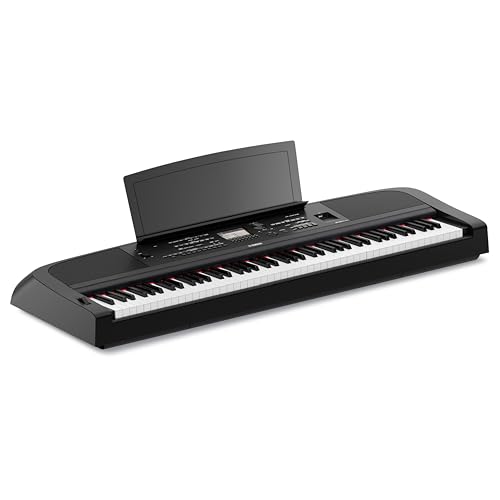
- 88 weighted, graded-feel keys
- 630 voices and 263 backing styles
- Stand and bench sold separately
Best For: Piano practice with accompaniment and singing features
Best for Room-Filling Sound

- 88 textured, hammer-action keys
- 40W four-speaker system
- Duet Mode and dual headphone jacks
Best For: Home practice with full built-in sound
Best for Traditional Piano Practice

- 88-key Graded Hammer 3 action
- CFX sampling with VRM Lite
- Three pedals and bench included
Best For: Dedicated home piano and pedal practice
Best for Connected Practice

- 88 graded hammer-action keys
- Bluetooth MIDI and dual headphone jacks
- LCD and three-pedal setup
Best For: Connected practice in a furniture-style cabinet
Best for Lessons and Duets

- Tri-Sensor II hammer action
- Duet Mode and 60 built-in songs
- USB-MIDI and dual headphone jacks
Best For: Shared lessons and structured home practice
Best for Evening Home Practice

- 88-key graded hammer action
- Dual 25W speakers
- Light strip and headphone practice
Best For: Evening practice at a dedicated home piano
Best Furniture-Style Practice Piano – AODSK B-85
Among digital pianos with hammer action, the AODSK B-85 is a practical choice if you want an 88-key instrument that looks at home in a living room. Its graded weighted keys, furniture stand, triple pedals, and protective key cover make it a ready-to-play home setup.
Best For: Beginners and home players who want a furniture-style piano with pedals and built-in practice features.
Pros:
- Graded hammer-action keys provide a different touch from bass to treble.
- Includes a furniture stand, triple pedals, and a key cover that can double as a desk.
- Offers recording, playback, duet and teaching functions, plus 128-note polyphony.
Cons:
- At about 79 pounds, it is less convenient to move than a slab-style keyboard.
- Its eight tones offer less sound variety than some feature-heavy alternatives.
Choose this model for an all-in-one home practice station rather than portability. The cover and pedals are especially useful if the piano will stay in one spot.
Best Connected Console – STRICH SDP-350W
The STRICH SDP-350W stands out among digital pianos with hammer action for pairing a furniture-style cabinet with extensive sound and connectivity options. Its 88 fully weighted keys have a simulated ivory texture, while the included stand, three-pedal unit, headphones, and flip-top cover round out the setup.
Best For: Beginners who want a home piano with app connectivity, varied sounds, and a covered keyboard.
Pros:
- Fully weighted hammer-action keys have a simulated ivory texture.
- Wireless and USB-MIDI connections support use with a teaching app.
- Includes 128 timbres, 200 rhythms, layer/split functions, and audio input.
Cons:
- The furniture-style design is better suited to a fixed spot than frequent transport.
- Its many functions may be unnecessary if you only want straightforward piano practice.
This is the more versatile console-style pick for players who will use lessons, accompaniment rhythms, or layered sounds alongside regular piano practice.
Best Feature-Rich Slab – STRICH SDP-120
If you prefer a keyboard-style instrument, the STRICH SDP-120 is one of the more feature-packed digital pianos with hammer action in this group. It combines 88 fully weighted keys with an LCD display, two 15W speakers, and wireless MIDI and USB connectivity.
Best For: Players who want weighted keys, numerous sounds, and flexible connections without a furniture cabinet.
Pros:
- Fully weighted hammer-action keyboard comes with a sustain pedal.
- Provides 128 tones, 200 rhythms, 110 demo songs, and up to 128-note polyphony.
- Wireless MIDI, USB, audio connections, and an LCD display broaden its uses.
Cons:
- The supplied package lists a sustain pedal, not a three-pedal unit.
- No furniture stand is listed among the included items.
The SDP-120 makes sense when sound selection and connectivity matter more than a cabinet-style appearance. Plan your stand and pedal setup around what is included.
Best Straightforward Portable Pick – Yamaha P71
For shoppers comparing digital pianos with hammer action, the Yamaha P71 keeps the focus on piano playing rather than a long feature list. Its 88 touch-sensitive weighted keys, built-in speakers, and simple one-button operation suit players who want to sit down and practice.
Best For: Players who want a relatively light, straightforward 88-key piano for practice.
Pros:
- Weighted, touch-sensitive action supports expressive playing.
- Ten voices include a Yamaha grand piano sound; Dual Mode can layer two voices.
- At 25 pounds, it is lighter than the furniture-style models in this roundup.
- Includes a sustain pedal and power supply.
Cons:
- Only 10 voices are listed, so it offers less sound variety than the STRICH models here.
- No stand or three-pedal unit is listed among the included components.
Pick the P71 if uncluttered controls and a lighter form factor appeal more than rhythms or furniture-style extras. Its included sustain pedal covers basic pedal practice.
Best for Versatile Playing – Yamaha DGX-670B
Among digital pianos with hammer action, the Yamaha DGX-670B stands out for players who want weighted 88-key practice alongside a broad range of performance features. Its CFX grand piano sampling is paired with 630 instrument voices and 263 accompaniment styles.
Best For: Players who want piano practice, backing styles, and singing options in one instrument.
Pros:
- Weighted keys feel heavier in the bass and lighter in the treble.
- 263 accompaniment styles and adaptive backing add variety to performances.
- Built-in score display, song-learning features, and a microphone input expand how you can use it.
Cons:
- Stand and bench are sold separately.
- The included sustain control is a foot switch rather than a three-pedal unit.
Choose the DGX-670B if you will use its accompaniment and learning tools; buyers focused mainly on a traditional piano setup should account for the separately sold furniture.
Best for Room-Filling Sound – Casio Privia PX-870
The Casio Privia PX-870 is a console choice among digital pianos with hammer action. Its 88-key Tri-Sensor II Scaled Hammer Action combines textured keys with a four-speaker, 40W sound system for playing at home.
Best For: Home players who want a console piano with substantial built-in sound and practice features.
Pros:
- Tri-Sensor II action and simulated ebony-and-ivory textures support controlled playing.
- AiR piano sound includes damper and string resonance details.
- Duet Mode, dual headphone jacks, and USB-MIDI support lessons and connected practice.
Cons:
- At 75.6 pounds, the console is less convenient to move than a lightweight keyboard.
- The listed connection is USB-MIDI, so buyers seeking other connection types should check their setup.
The PX-870 makes the most sense when its console design and four-speaker output will get regular use, while its headphone options help keep practice private.
Best for Traditional Piano Practice – Yamaha YDP165
For shoppers comparing digital pianos with hammer action, the Yamaha YDP165 prioritizes a familiar console-piano experience. Its 88-key Graded Hammer 3 action, CFX concert grand sampling, and three piano-style pedals keep the focus on piano technique.
Best For: Players who want a dedicated home piano with weighted keys and a full pedal setup.
Pros:
- GH3 action has synthetic ivory white-key tops designed to help prevent slipping.
- CFX sampling and VRM Lite add grand-piano tone and string-resonance detail.
- Three pedals and an included bench complete the practice setup.
Cons:
- At 92.6 pounds, it is better suited to a set location than frequent moves.
- Its supplied features emphasize piano playing rather than the broad voice and accompaniment selection offered by some models.
The YDP165 is the focused choice here for players who value graded key response, pedal practice, and a ready-to-use console arrangement.
Best for Connected Practice – Donner DDP-200
The Donner DDP-200 is a console-style choice among digital pianos with hammer action for players who want weighted keys and practice-friendly connectivity. Its 88-key dual-sensor graded hammer-action keyboard pairs with a three-pedal setup.
Best For: Home players who want Bluetooth MIDI, headphone practice, and a furniture-style cabinet.
Pros:
- 88 graded hammer-action keys and three pedals support expressive playing.
- Bluetooth MIDI, USB-MIDI, and dual headphone jacks offer flexible practice options.
- LCD shows selected tones, reverb effects, and other settings.
Cons:
- Its cabinet-style design is less portable than a keyboard-only piano.
- Only five demo songs are listed.
The DDP-200 is worth considering if connectivity and an easy-to-read display matter alongside a weighted piano feel. Check its cabinet dimensions before committing to a space.
Best for Lessons and Duets – Casio Privia PX-770
The Casio Privia PX-770 stands out among digital pianos with hammer action for its lesson features. Its 88-key Tri-Sensor II Scaled Hammer Action keyboard has adjustable touch sensitivity, while the AiR sound source provides a stereo grand-piano tone and 18 additional tones.
Best For: Learners and households that want duet practice, built-in songs, and a slim console cabinet.
Pros:
- Tri-Sensor II hammer-action keys have an ebony- and ivory-feel surface.
- Duet Mode, dual headphone jacks, and 60 built-in songs suit shared practice.
- USB-MIDI connects to compatible computers and mobile devices.
Cons:
- The cabinet design is not intended for frequent transport.
- The supplied features list USB-MIDI, not Bluetooth MIDI.
Choose the PX-770 if structured practice and a realistic key response take priority over wireless connectivity. Its sliding key cover also helps keep the console tidy between sessions.
Best for Evening Home Practice – AKLOT LS02Pro
The AKLOT LS02Pro is an upright-style option among digital pianos with hammer action, combining an 88-key graded keyboard with a triple pedal. Dual 25W speakers and a built-in light strip make it especially suited to a dedicated practice spot at home.
Best For: Players who practice in the evening and want a substantial cabinet with built-in lighting.
Pros:
- Graded hammer-action keys and velocity sensing respond to changes in playing force.
- Dual 25W speakers provide room-filling output.
- Headphone practice, a light strip, and a sliding lid add everyday convenience.
Cons:
- The upright cabinet requires assembly and a dedicated floor space.
- Only four classic piano tones are listed in the supplied title.
The LS02Pro makes the most sense when you want a fixed home instrument rather than something portable. Its lighting and headphone option are useful additions for practice after dark.
How We Picked These Digital Pianos with Hammer Action
We focused on the listed models’ practical differences: 88-key weighted actions, cabinet style, included pedals, onboard features, and intended use. A product’s description of its action is a starting point, not proof that every keyboard feels equally close to an acoustic piano. Before buying, check the current listing for included accessories and connections, which can vary by package.
Quick Comparison: Which Style Fits?
For a simple, space-conscious setup, start with the Yamaha P71 or the stand-free STRICH weighted keyboard. If you want a furniture-style setup with pedals, compare the AODSK B-85, the STRICH furniture-stand model, and the AKLOT upright. For a more traditional console format, look at the Casio PX-770 and PX-870, Yamaha YDP-165, and Donner DDP-200. The Yamaha DGX-670B is worth considering if accompaniment and broader keyboard features matter alongside piano practice. Confirm stand and pedal inclusions for the exact package you choose.
Key Buying Factors for Digital Pianos with Hammer Action
Key Feel and Control
All 88-key weighted actions are not alike. Graded actions aim to feel heavier in the bass and lighter in the treble; other designs emphasize sensor response or a particular touch weight. If possible, play softly, repeat notes, and test fast passages in person. If you cannot, prioritize a retailer with a clear return policy.
Sound and Quiet Practice
Listen for a piano tone that remains convincing at low and high volumes, not just through built-in speakers. Check headphone connectivity if you practice around others. Speaker specifications alone do not tell you how a piano will sound in your room.
Pedals, Space, and Setup
A supplied sustain pedal may be enough for a beginner; a fixed three-pedal unit is more useful for players working on repertoire that calls for it. Check whether the pedal setup supports the techniques you need. Portable models are easier to move and store, while consoles provide a permanent playing position but require more floor space and assembly. Measure the piano and bench area before ordering.
Features You Will Actually Use
Recording, additional voices, accompaniment, and learning functions can be helpful, but they should not outweigh key feel if your main goal is piano technique. Verify USB or audio connections against your specific plans, whether that means using an app, recording to a computer, or playing through external speakers.
Who Should Buy Which Digital Pianos with Hammer Action?
New players: Choose an affordable 88-key model with a stable stand, usable pedal, and headphone option; upgrade features only when you know you need them. Acoustic-piano learners: Put action and pedal control first, and try the Casio Privia or Yamaha console options if your budget and space allow. Players who need flexibility: Consider the P71 or a stand-free STRICH for easier repositioning. Feature-focused households: Compare the DGX-670B with simpler piano-first models to decide whether its broader functions justify your setup.