The best OLED televisions for gaming combine near-instant pixel response, deep contrast, and smooth motion in one premium display. This lineup includes current LG and Samsung models in sizes from 48 to 77 inches.
Use the comparison and buying advice below to match refresh rate, HDR support, smart features, and screen size to your console, PC, room, and budget.
Best 10 OLED Televisions for Gaming Picks for 2026
Bright-Room Gaming Pick

- 0.1ms response time and up to 144Hz refresh rate
- VRR with G-Sync and FreeSync Premium
- Four HDMI 2.1 inputs and glare-reduced viewing
Best For: Bright-room console and PC gaming
High-Refresh Gaming Pick

- 4K 144Hz VRR gaming support
- NQ4 AI Gen3 processor with 128 neural networks
- Four HDMI ports for connected devices
Best For: High-refresh-rate gaming and mixed entertainment
Latest LG Gaming Pick

- Up to 165Hz refresh rate and 0.1ms response time
- G-Sync and FreeSync Premium support
- 55-inch OLED with built-in OLED Care
Best For: Compact, high-refresh PC or console gaming
Big-Screen Gaming Pick
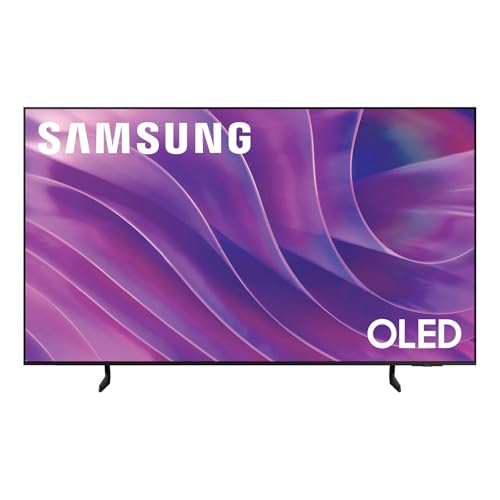
- Immersive 77-inch OLED display
- Up to 4K 120Hz motion performance
- AI-enhanced 4K clarity and Pantone-validated color
Best For: Large-room gaming and shared entertainment
Bright-Room OLED Gaming Pick

- Glare Free OLED HDR+ screen
- 165Hz motion enhancement with G-SYNC and FreeSync
- NQ4 AI Gen3 upscaling and motion processing
Best For: Gamers needing glare reduction and responsive 65-inch performance
Feature-Rich Gaming OLED

- 0.1ms response time and 165Hz gaming specification
- NVIDIA G-SYNC and AMD FreeSync Premium support
- Dolby Vision, Dolby Atmos, and OLED evo brightness
Best For: Gamers wanting broad format support and fast response
Large-Screen OLED Gaming Pick
- Immersive 77-inch OLED display
- 165Hz motion enhancement with G-SYNC and FreeSync
- Four HDMI ports and HDR10+ support
Best For: Large-room gaming setups and immersive home entertainment
Best Large-Screen Pick

- 65-inch 4K OLED with OLED HDR
- 120Hz motion with G-SYNC or FreeSync Premium
- NQ4 AI Gen2 processing and AI upscaling
Best For: Gamers wanting an immersive large-screen OLED
Best Premium Gaming Features
- Motion Xcelerator 165Hz gaming technology
- G-SYNC and FreeSync Premium Pro support
- Matte Glare Free finish reduces reflections
Best For: Competitive gamers in bright or reflective rooms
Best Compact OLED Gaming TV
- Compact 48-inch 4K OLED format
- 120Hz motion with G-SYNC or FreeSync Premium
- AI upscaling and Color Booster Pro
Best For: Small-room gaming setups and office entertainment spaces
Bright-Room Gaming Pick – LG C5 OLED evo
The LG C5 is a strong choice among OLED televisions for gaming when you want bright, detailed 4K images and extensive gaming support. Its self-lit pixels, 0.1ms response time, up to 144Hz refresh rate, VRR, and four HDMI 2.1 inputs suit both console and PC setups.
Best For: Gamers who need a versatile 65-inch OLED for bright rooms, fast games, and multiple devices.
Pros:
- 0.1ms response time and up to 144Hz refresh rate support fast, smooth gameplay.
- NVIDIA G-Sync, AMD FreeSync Premium, and VRR help reduce tearing.
- UL-verified Discomfort Glare Free performance is designed for bright-room viewing.
- Four HDMI 2.1 inputs provide flexible connectivity for gaming devices.
Cons:
- Its 65-inch size may be more screen than smaller rooms require.
- The glossy screen finish may still reflect strong direct light.
The C5 balances gaming speed, bright-room usability, and cinematic features such as Dolby Vision and Dolby Atmos. It is a particularly well-rounded option if you plan to connect several gaming sources.
High-Refresh Gaming Pick – Samsung S90F OLED
The Samsung S90F stands out among OLED televisions for gaming with 4K 144Hz VRR gaming and AI-powered image processing. Its NQ4 AI Gen3 processor also upscales content and is designed to smooth fast-moving sports and game visuals.
Best For: Gamers who prioritize high refresh rates, AI upscaling, and smooth motion on a 65-inch display.
Pros:
- Supports VRR gaming at up to 4K 144Hz.
- NQ4 AI Gen3 processing uses 128 neural networks for picture and sound optimization.
- AI processing can upscale lower-resolution content to 4K.
- Four HDMI ports support multiple connected devices.
Cons:
- The supplied specifications list HDR10+ but not Dolby Vision.
- Its 2.1-channel, 40-watt audio system may not replace a dedicated sound system.
The S90F is a compelling fit for PC or console players who can take advantage of 144Hz gaming. Its processing features add value for mixed use, especially when watching streamed or lower-resolution content between gaming sessions.
Latest LG Gaming Pick – LG C6 OLED evo
The 55-inch LG C6 is a newer option among OLED televisions for gaming, combining self-lit OLED pixels with a 0.1ms response time and up to 165Hz refresh rate. It also includes G-Sync, FreeSync Premium, and four HDMI inputs for a flexible gaming setup.
Best For: Gamers seeking a compact 55-inch OLED with the highest listed refresh rate in this roundup.
Pros:
- Up to 165Hz refresh rate and 0.1ms response time target responsive gameplay.
- NVIDIA G-Sync and AMD FreeSync Premium support compatible systems.
- Self-lit pixels provide infinite contrast with advanced black and color technology.
- Built-in OLED Care features are designed to support extended viewing.
Cons:
- The 55-inch screen is smaller than the 65- and 77-inch alternatives here.
- The supplied notes do not specify HDMI 2.1 by name.
The C6 is a forward-looking pick for players who want a smaller display and a very high refresh ceiling. Dolby Vision, Dolby Atmos, and Filmmaker Mode also make it suitable for movie-focused rooms.
Big-Screen Gaming Pick – Samsung S84F OLED
The 77-inch Samsung S84F is a large-format choice among OLED televisions for gaming, offering self-illuminating pixels, OLED HDR, and Motion Xcelerator 120Hz. Its AI processing enhances 4K clarity, while four HDMI ports support a broad entertainment setup.
Best For: Gamers who want an expansive 77-inch screen for smooth gaming, sports, and shared-room viewing.
Pros:
- 77-inch OLED screen creates an immersive large-screen gaming setup.
- Motion Xcelerator supports smooth visuals up to 4K 120Hz.
- AI processing enhances content to 4K and optimizes sound.
- Pantone validation supports accurate colors and skin tones.
Cons:
- The large footprint requires substantial room and viewing distance.
- The listed 20-watt audio output may encourage adding external audio.
- The supplied notes do not mention VRR or HDMI 2.1 explicitly.
The S84F prioritizes scale and accessible smart features, including thousands of free channels through Samsung’s platform. It is best suited to players who value an immersive 77-inch presentation as much as advanced gaming specifications.
Bright-Room OLED Gaming Pick – Samsung 65-Inch S90H OLED
For shoppers comparing OLED televisions for gaming, the 65-inch Samsung S90H emphasizes bright, high-contrast images and responsive gameplay. Its Glare Free screen, 165Hz Motion Xcelerator technology, and support for NVIDIA G-SYNC and AMD FreeSync Premium Pro make it a strong fit for gaming setups where reflections and motion clarity matter.
Best For: Gamers who want a 65-inch OLED with glare reduction, AI-enhanced picture processing, and smooth high-refresh-rate gameplay.
Pros:
- Glare Free OLED HDR+ design helps reduce distracting reflections.
- Motion Xcelerator 165Hz works with NVIDIA G-SYNC or AMD FreeSync Premium Pro.
- NQ4 AI Gen3 processor provides AI upscaling and motion enhancement.
- Supports HDR10+ and includes a Game Mode.
Cons:
- The listed display refresh rate is 120Hz, despite the 165Hz motion-enhancement specification.
- It does not list Dolby Vision support.
This Samsung is a practical choice for players who prioritize glare control and smooth performance without moving to a larger 77-inch screen. Its AI features also make it versatile for streaming and sports between gaming sessions.
Feature-Rich Gaming OLED – LG 65-Inch C6 Series OLED evo
The LG C6 Series is one of the more feature-packed OLED televisions for gaming in this roundup. It combines OLED evo brightness improvements with a stated 0.1ms response time, 165Hz refresh-rate capability, NVIDIA G-SYNC, AMD FreeSync Premium, and support for Dolby Vision.
Best For: Gamers who want fast response, broad gaming-sync support, Dolby Vision, and a versatile smart-TV platform.
Pros:
- Lists a 0.1ms response time and 165Hz refresh rate for fast gameplay.
- Supports both NVIDIA G-SYNC and AMD FreeSync Premium.
- OLED pixels deliver Perfect Black and Perfect Color.
- Includes Dolby Vision, Dolby Atmos, Filmmaker Mode, and AI Super Upscaling 4K.
Cons:
- The listed display refresh rate is 120Hz, while the gaming specification states 165Hz.
- The glossy screen finish may be less suitable for rooms with strong reflections.
With its gaming-focused specifications and extensive picture-format support, the LG C6 is a well-rounded option for console and PC players. Its webOS platform, Chromecast compatibility, and built-in smart features also make it useful as an all-purpose entertainment display.
Large-Screen OLED Gaming Pick – Samsung 77-Inch S90H OLED
For buyers who want an immersive gaming setup, the 77-inch Samsung S90H delivers a large OLED canvas with deep contrast, HDR10+, and gaming-focused motion features. Its Motion Xcelerator 165Hz technology supports NVIDIA G-SYNC and AMD FreeSync Premium Pro for smoother, more responsive play.
Best For: Gamers and home-theater users who want a large 77-inch OLED with AI picture processing and high-refresh-rate gaming support.
Pros:
- Large 77-inch OLED display provides an immersive gaming experience.
- Motion Xcelerator 165Hz supports NVIDIA G-SYNC and AMD FreeSync Premium Pro.
- NQ4 AI Gen3 processing supports picture enhancement and 4K upscaling.
- Includes four HDMI ports, Game Mode, and HDR10+ support.
Cons:
- The listed display refresh rate is 120Hz, despite the 165Hz motion-enhancement specification.
- Its larger size and listed 75.4-pound weight require more planning for placement or mounting.
- Dolby Vision is not listed among the supported HDR formats.
This model is best suited to spacious rooms and players who value screen size as much as responsiveness. It offers the same core S90H gaming features as the 65-inch version while expanding the viewing area substantially.
Best Large-Screen Pick – Samsung 65-Inch S85H OLED
For shoppers comparing OLED televisions for gaming, the 65-inch Samsung S85H combines a large 4K OLED display with 120Hz motion technology, AI-enhanced processing, and support for NVIDIA G-SYNC or AMD FreeSync Premium. It is designed for immersive gaming, streaming, and movie watching.
Best For: Gamers and entertainment fans who want a spacious 65-inch OLED screen with smooth motion and vivid contrast.
Pros:
- 4K OLED HDR delivers bright highlights and inky blacks.
- Motion Xcelerator 120Hz supports smooth, responsive gameplay.
- NQ4 AI Gen2 processing enhances picture, motion, color, and upscaling.
- Four HDMI ports provide flexibility for multiple devices.
Cons:
- The glossy screen finish may reflect ambient light.
- Its 65-inch size requires more room than smaller OLED options.
The S85H is a practical choice when screen size matters as much as gaming performance. Its OLED contrast, 120Hz refresh rate, and variable-refresh support create a strong all-around setup for current consoles and compatible gaming PCs.
Best Premium Gaming Features – Samsung 55-Inch S90H OLED
The Samsung S90H stands out among OLED televisions for gaming with Motion Xcelerator 165Hz, NVIDIA G-SYNC or AMD FreeSync Premium Pro, and a matte Glare Free screen finish. Its AI processor also improves picture quality, motion, and non-HDR content.
Best For: Competitive gamers who prioritize smooth, low-latency play and reduced screen reflections in a 55-inch format.
Pros:
- Motion Xcelerator 165Hz is built for fast, fluid gameplay.
- Supports NVIDIA G-SYNC and AMD FreeSync Premium Pro.
- Glare Free matte finish helps reduce distracting reflections.
- NQ4 AI Gen3 processor uses 128 neural networks for picture and sound enhancement.
Cons:
- The 55-inch display is smaller than the 65-inch option in this roundup.
- The listed display refresh rate is 120Hz despite the 165Hz motion-enhancement specification.
Choose the S90H if gaming responsiveness and reflection control are top priorities. It also adds useful processing features, including AI Motion Enhancer Pro and Auto HDR Remastering, making it versatile for sports, streaming, and older content.
Best Compact OLED Gaming TV – Samsung 48-Inch S85H OLED
For smaller rooms and gaming spaces, the 48-inch Samsung S85H delivers a 4K OLED picture with 120Hz motion enhancement and support for NVIDIA G-SYNC or AMD FreeSync Premium. Its compact footprint keeps the core OLED gaming features while taking up less space.
Best For: Gamers furnishing a bedroom, office, or compact entertainment setup who want OLED contrast without a large-screen footprint.
Pros:
- 48-inch 4K OLED display fits more compact spaces.
- 120Hz Motion Xcelerator supports smooth gameplay.
- OLED HDR, Color Booster Pro, and AI processing enhance visual detail and color.
- Four HDMI ports support several gaming and media devices.
Cons:
- The glossy finish can be more vulnerable to visible reflections.
- The smaller screen is less immersive for viewers sitting farther away.
The 48-inch S85H is a sensible compromise for buyers who want OLED televisions for gaming but lack space for a 55- or 65-inch display. It offers the same 120Hz-oriented gaming approach as the larger S85H while remaining easier to place.
How We Picked These OLED Televisions for Gaming
We selected models based on the features that matter most during play: OLED contrast, motion clarity, input-lag potential, refresh-rate support, HDR compatibility, gaming-focused picture modes, connectivity, and available screen sizes. We also included both LG and Samsung lines because their processing, smart platforms, HDR formats, and gaming feature sets differ.
Model years and specifications can vary by screen size and region, so confirm the exact listing before buying. Pay particular attention to the included HDMI features, refresh-rate maximum, audio support, and warranty terms.
Quick Comparison
| Best For | Recommended Direction | What to Prioritize |
|---|---|---|
| Competitive console or PC gaming | High-refresh 2025 or 2026 model | 120Hz or higher, low input latency, VRR, HDMI 2.1 |
| Large living-room setup | 77-inch S84F or S90H | Viewing distance, brightness, HDR performance |
| Balanced premium gaming and movies | LG C5 or C6 series | Dolby Vision, processing, gaming modes, eARC |
| Smaller room or desk setup | 48-inch S85H or 55-inch S90H | Viewing distance, desk width, pixel density |
| Lower-cost entry into OLED | S85H-series model | Required refresh rate, ports, and current sale price |
Key Buying Factors for OLED Televisions for Gaming
Refresh Rate and Variable Refresh Rate
A 120Hz panel is a strong baseline for current consoles and most gaming PCs. Higher advertised rates, such as 144Hz, can benefit compatible PCs, but only when the graphics hardware can deliver the required frame rates. Look for VRR support to reduce tearing and stutter when performance fluctuates.
HDMI 2.1 and Input Support
Check how many HDMI ports support the bandwidth needed for 4K at high refresh rates. This matters if you plan to connect multiple consoles, a gaming PC, and a soundbar. Confirm support for features such as ALLM, eARC, and the specific VRR standard used by your devices.
HDR, Brightness, and Room Lighting
OLED televisions provide excellent black levels and contrast, but bright rooms can make reflections more noticeable. Compare screen brightness and anti-reflection performance with your room lighting. Dolby Vision may matter for compatible games and streaming content, while Samsung models typically emphasize HDR10-family formats.
Size, Viewing Distance, and Burn-In Care
Choose a screen large enough for comfortable viewing without overwhelming your space. OLED owners should use built-in pixel-refresh and screen-care features, avoid leaving static images displayed for long periods, and vary on-screen content. Modern OLED protections help, but they do not eliminate burn-in risk entirely.
Who Should Buy Which OLED Televisions for Gaming?
Choose an LG C5 or C6 if you want a versatile gaming-and-movie television with broad format support and LG’s gaming features. Choose a Samsung S90F or S90H if high refresh rates, Samsung processing, and a vivid HDR presentation are priorities. Choose an S85H if you want a more straightforward OLED entry point in a compact or mid-size screen. Choose a 77-inch model for an immersive seating-area upgrade, provided your room and viewing distance support it. For desk gaming, the 48-inch option may offer a better fit than a much larger television.