When it comes to capturing your world in stunning 360 degrees, choosing the right VR camera can make all the difference. From compact designs to rugged models, these devices cater to every adventurer and creator. Each camera offers unique features that elevate your content. But how do you decide which one is right for you? Let’s explore the top contenders that could transform your filming experience.
Samsung Gear 360 (2017 Edition) Spherical Cam 360° 4K Camera SM-R210

The Samsung Gear 360 (2017 Edition) is an excellent choice for anyone looking to plunge into the world of 360-degree video without breaking the bank. With its dual 180° lenses, you’ll capture stunning 4K videos and 15MP photos, ensuring every angle is covered. It’s portable and easy to hold, making it perfect for on-the-go shooting. Plus, the IP53 water-resistant rating adds peace of mind during outdoor adventures. You can easily share your creations on social media or upload them to Samsung VR for an immersive experience. If you own a Galaxy S8 or S8+, integration is seamless and hassle-free.
Best For: Those looking to explore 360-degree photography and videography at an affordable price with easy integration into their Samsung devices.
Pros:
- High-quality 4K video and 15MP photo capture with dual 180° lenses.
- Compact and portable design, making it convenient for outdoor use.
- Direct sharing capabilities to social media and Samsung VR for a seamless experience.
Cons:
- Limited compatibility with non-Samsung devices.
- The IP53 water-resistant rating may not be sufficient for heavy rain or prolonged exposure to water.
- Battery life may not last through extended shooting sessions.
Kodak PIXPRO SP360 4K Dual Pro Pack VR Camera
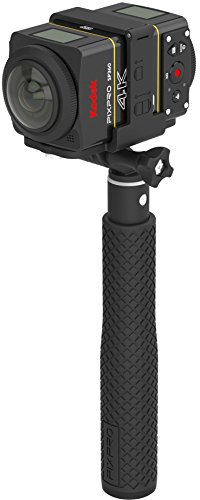
For those looking to capture immersive 360-degree videos, the Kodak PIXPRO SP360 4K Dual Pro Pack VR Camera offers an impressive 235-degree field of view and 4K equivalent video capabilities. While its low light performance outshines competitors, users often find the video quality underwhelming. You can control the camera wirelessly via an iOS or Android app, but the complex menu can be frustrating. Additionally, the included software simplifies stitching, although it may struggle with dual setups. If you’re considering this camera, be mindful of its limitations and customer feedback, which suggests waiting for better technology before purchasing.
Best For: Those seeking a compact VR camera for casual 360-degree video capturing and low light performance.
Pros:
- 235-degree field of view enhances immersive video experiences.
- Better low light performance compared to competitors like GoPro.
- Wireless control via iOS/Android app adds convenience.
Cons:
- Video quality often falls short of true 4K expectations.
- Complex menu navigation and settings reset after power off can frustrate users.
- Issues with reliability, such as unexpected power downs and overheating, hinder usability.
Samsung Gear 360 VR Camera
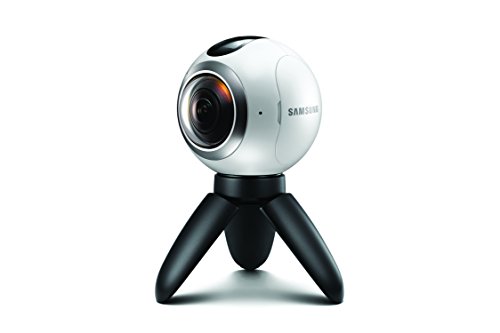
If you’re looking for a compact and lightweight 360-degree camera that captures high-resolution videos and stills, the Samsung Gear 360 VR Camera is a solid choice. Weighing just 8.8 ounces, it features 4K video recording and 30 MP still images, ideal for casual users. It’s dust and water-resistant, perfect for outdoor adventures. However, be mindful of its battery life, as it may overheat during heavy use. The stitching process is done via your phone, which can be slow. Overall, it’s a great entry-level option, though it might not satisfy professional needs for intricate events. Enjoy capturing your moments!
Best For: Casual users looking for a compact 360-degree camera that captures high-resolution moments without the complexity of professional equipment.
Pros:
- Compact size and lightweight design make it easy to carry for outdoor adventures.
- Decent picture and video quality, with 4K video recording and 30 MP still images.
- Dust and water-resistant, suitable for various environments and conditions.
Cons:
- Battery life is limited, and overheating issues can cause shutdowns during heavy use.
- Stitching images is slow and requires a high-speed card to avoid performance issues.
- Fragile design with lenses prone to scratches, which may affect long-term durability.
360° HD Video Camera
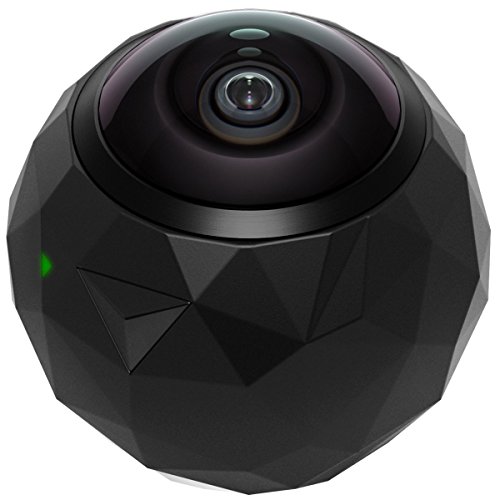
Capturing stunning 360° HD videos becomes effortless with a camera that boasts 1504 x 1504 resolution and a user-friendly ecosystem. With 32 GB of internal memory and over two hours of battery life, you can shoot without constant worry. Its robust design is dustproof, shockproof, and water-resistant up to 33 feet, ensuring it withstands your adventures. Enjoy seamless operation through the free 360fly mobile and desktop apps, allowing you to edit and share your videos directly to social media. Plus, with one button, you can transform your footage into immersive VR experiences. Everything you need comes included, making it a complete package.
Best For: Adventure enthusiasts and content creators looking for a durable and versatile camera to capture immersive 360° HD videos.
Pros:
- High-resolution 1504 x 1504 video quality for stunning visuals.
- Robust, weather-resistant design suitable for outdoor activities.
- User-friendly apps for easy editing and direct social media sharing.
Cons:
- Battery life may be limited for extended shoots beyond two hours.
- Internal memory of 32 GB may fill up quickly with high-resolution footage.
- Potential learning curve for users unfamiliar with 360° video technology.
KanDao QooCam Ego 3D VR Camera
The KanDao QooCam Ego 3D VR Camera stands out as an excellent choice for content creators who want to deliver stunning 3D visuals without the bulk of traditional cameras. Weighing under 160g, it’s ultra-portable and perfect for on-the-go shooting. With a dual-lens design, it captures 24MP 3D photos and 4K/60fps videos, ensuring natural-depth realism without blur. The ultra-bright 1000nit screen makes framing easy, even in bright sunlight. Plus, its versatile playback options let you enjoy immersive content on VR headsets, AR glasses, or projectors. You’ll love how easy it is to create and share your 3D masterpieces!
Best For: Content creators looking for an ultra-portable camera that delivers high-quality 3D visuals.
Pros:
- Lightweight and portable design makes it easy to carry for on-the-go shooting.
- High-resolution imaging with 24MP photos and 4K/60fps videos for stunning detail and depth.
- Versatile playback options compatible with various devices, enhancing the immersive experience.
Cons:
- Limited battery life may require carrying a spare for extended shooting sessions.
- Learning curve for best results in capturing 3D content, which may deter beginners.
- Price point may be higher compared to basic 2D cameras on the market.
Trisio Lite 2 VR – 8K Virtual Tour Camera Bundle

For real estate professionals and content creators seeking high-quality 360° imagery, the Trisio Lite 2 VR – 8K Virtual Tour Camera Bundle stands out with its impressive 8K resolution and advanced nodeRotate technology. This camera captures stunning details through its aspheric lens, while the AnyScene self-adaption system guarantees great results, even in poor lighting. With a lightweight design and quick plug-in feature, you can set it up effortlessly. Plus, it offers 200 minutes of continuous use on a single charge. Included in the bundle are essential accessories like a tripod and carrying case, making it a complete and portable solution.
Best For: Real estate professionals and content creators looking for high-quality 360° imagery with advanced features.
Pros:
- High 8K resolution and advanced imaging technology ensure stunning, detailed panoramas.
- Lightweight and compact design allows for easy portability and quick setup.
- Includes essential accessories like a tripod and carrying case for added convenience.
Cons:
- May have a steep learning curve for users unfamiliar with 360° cameras.
- Limited internal storage may require additional memory options for extensive shoots.
- Customer ratings indicate room for improvement, with a ranking outside of the top products in its category.
Insta360 X3 Waterproof 360 Action Camera (Renewed)

With its impressive 5.7K video resolution and advanced FlowState Stabilization, the Insta360 X3 Waterproof 360 Action Camera (Renewed) stands out as an exceptional choice for adventure seekers and content creators alike. Weighing just 6.3 ounces, it’s easy to carry on any journey. Dive without worry, as it’s waterproof up to 33 feet and can reach 164 feet with a Dive Case. Capture stunning 72MP photos and use the AI editing features to create shareable content effortlessly. Plus, the invisible selfie stick lets you shoot drone-like footage. With rave reviews and solid performance, it’s a top contender in the 360 camera market.
Best For: Adventure seekers and content creators looking for a versatile and high-quality 360 action camera.
Pros:
- Stunning 5.7K video resolution and 72MP photos for exceptional image quality.
- Waterproof up to 33 feet (10m) without a case, perfect for underwater adventures.
- AI editing features simplify content creation, enabling quick and impressive results.
Cons:
- The camera may be bulkier compared to traditional action cameras due to its dual-lens design.
- Limited battery life may require carrying spares for extended use.
- The cost of accessories like the Dive Case could add to the overall investment.
AKASO 360 Weatherproof Action Camera

Capturing stunning 360° videos and photos has never been easier than with the AKASO 360 Weatherproof Action Camera. With a remarkable 5.7K video resolution and 72MP photo capability, you’ll capture every detail. Its dual 48MP sensors guarantee sharp images, while advanced stabilization algorithms provide smooth footage without needing a gimbal. The Horizon Lock feature keeps your shots level, even during flips. Plus, the invisible selfie stick effect makes third-person shots a breeze. With intelligent AI subject tracking, your subjects stay centered for professional-quality results. Weighing just 6.3 ounces, it’s the perfect companion for your adventures!
Best For: Adventure enthusiasts and content creators looking for a compact, high-quality action camera to capture immersive 360° footage and photos.
Pros:
- High Resolution: Captures stunning 5.7K video and 72MP photos for exceptional detail and clarity.
- Advanced Stabilization: Features like 360° Supersmooth Video and Horizon Lock ensure stable and level shots even during action.
- AI Tracking: Intelligent subject tracking keeps your focus centered, making it easier to capture professional-quality shots.
Cons:
- Weight: At 6.3 ounces, it may feel slightly heavier compared to some other compact action cameras.
- Limited Availability: As a newer model, it might not be as widely available in retail locations.
- Battery Life: Depending on usage, the battery life may be limited for extended recording sessions.
DJI Osmo 360 Camera, Waterproof 8K 360° Action Camera

The DJI Osmo 360 Camera stands out for adventure seekers who demand high-quality imaging in challenging conditions. With its groundbreaking 1-inch lens, you’ll capture stunning 8K 360° videos, even in low light. You can record super-smooth 4K/120fps videos and snap 120MP 360° photos effortlessly. Switching from 360° selfies to single-lens vlogs is a breeze with its magnetic quick-release. Plus, its waterproof design and extended battery life keep you going on all your adventures. With four microphones providing excellent audio recording and wind noise reduction, you’ll get true-to-life sound for all your action-packed moments.
Best For: Adventure seekers and content creators who demand high-quality imaging and versatile performance in challenging environments.
Pros:
- Exceptional 8K 360° video quality with impressive low-light performance.
- Quick-switch magnetic release for seamless transitions between shooting modes.
- Waterproof design and extended battery life, perfect for outdoor adventures.
Cons:
- Higher price point compared to standard action cameras.
- Bulkier than traditional single-lens cameras, which may affect portability.
- Learning curve for users unfamiliar with 360° photography and videography.
Insta360 X3 Action Camera with 5.7K Video

For action enthusiasts and vloggers, the Insta360 X3 Action Camera stands out with its impressive 5.7K 360 Active HDR video capabilities. It’s perfect for capturing thrilling experiences like motorcycle rides and winter sports, ensuring you don’t miss a moment. With 4K single-lens options and a stunning 72MP photo capability, your content quality will soar. The 2.29-inch touchscreen makes navigation a breeze, while FlowState Stabilization and Horizon Lock keep your footage steady. Plus, the AI-powered app allows for effortless reframing. With a customer rating of 4.5 stars, this camera is a top choice for anyone serious about immersive video.
Best For: Action enthusiasts and vloggers looking for high-quality immersive video capture.
Pros:
- Exceptional 5.7K 360 video and 4K single-lens capabilities for stunning content.
- FlowState Stabilization and Horizon Lock provide smooth and level footage.
- AI-powered app makes reframing shots easy and intuitive.
Cons:
- May require a learning curve for new users unfamiliar with 360 cameras.
- Battery life could be limited during extended shooting sessions.
- The camera may be bulkier compared to traditional action cameras.
Factors to Consider When Choosing VR Cameras for 360 Video
When you’re choosing a VR camera for 360 video, there are several key factors to keep in mind. Reflect on resolution and image quality, as these will greatly affect your video’s look. You’ll also want to take into account stabilization features, battery life, and how user-friendly the camera is, along with its compatibility with accessories.
Resolution and Image Quality
Choosing a VR camera for 360 video involves careful consideration of resolution and image quality, as these factors greatly impact your final output. Look for cameras with higher megapixels, ranging from 15MP to 72MP, as they provide clearer, more detailed images. Video resolutions like 4K (3840 x 2160) and 5.7K (5760 x 2880) can greatly enhance your footage’s quality and clarity. Pay attention to low-light performance; some cameras struggle with grainy images at high ISO settings. Additionally, effective stitching technology is essential—poorly stitched images can lead to distracting seams and distortions. Ultimately, a combination of high resolution, good low-light performance, and quality stitching will result in a more immersive viewing experience.
Stabilization Features
While exploring the world of VR cameras for 360 video, effective stabilization features stand out as a key factor that can make or break your footage. Advanced algorithms reduce motion blur, creating smooth visuals, especially during high-action scenes. Horizon leveling technology keeps your perspective stable during flips or spins, ensuring your frame remains engaging. However, image stabilization varies between models; some excel at handling low-frequency vibrations, while others may falter with high-frequency movements, risking viewer discomfort. AI-powered stabilization can further enhance your experience by intelligently adjusting to various movements. As you choose a camera, consider its stabilization capabilities, as they’re essential for crafting professional-quality 360 videos that minimize motion sickness and boost immersion.
Battery Life Considerations
Although you might be captivated by the features of a VR camera, battery life is a critical aspect that shouldn’t be overlooked. Battery life can vary considerably; some models only last a few hours, while others can provide up to 200 minutes on a single charge. If you’re planning on long outdoor shoots or events, a camera with extended battery life is essential. Keep in mind that advanced features, like high-resolution recording and stabilization, often drain batteries faster. Additionally, overheating can lead to unexpected shutdowns and affect performance. Always check the specifications for battery capacity and estimated usage times to guarantee your camera meets your filming needs. A well-chosen camera will keep you capturing those perfect moments without interruption.
Usability and Interface
When you’re ready to capture stunning 360-degree videos, the usability and interface of your VR camera play an essential role in your overall experience. A user-friendly interface is vital; many cameras offer mobile apps for easy operation, editing, and sharing. Look for cameras with straightforward controls to avoid the frustration of complex menus, especially if you want to retain settings after powering off. Real-time preview capabilities enhance your experience, allowing for precise framing and immediate feedback. Choose models with durable designs that resist water and dust, ensuring reliability in various environments. Finally, consider battery life and overheating management—cameras that struggle in these areas can disrupt your filming and limit your creativity.
Compatibility With Accessories
Choosing the right VR camera for 360 video requires careful consideration of its compatibility with various accessories. First, check if the camera supports standard mounts, as some have unique attachment designs that limit usage. You’ll also want to make sure it accommodates external microphones or lighting solutions, which can greatly enhance your recordings. Assess the editing software availability and compatibility with third-party applications, since proprietary software might not blend well with other tools. Additionally, verify the camera’s requirements for memory cards or batteries, as certain models need high-speed cards or unique batteries. Finally, consider the weight and size of the camera and its accessories, especially if you’ll be taking it on outdoor adventures or trips.
Weather Resistance Ratings
Weather resistance ratings are essential factors to take into account when selecting a VR camera for 360 video, especially if you plan to shoot outdoors. These ratings indicate how well a camera can withstand dust and water exposure. Look for the IP rating, which consists of two digits; the first shows solid particle protection, while the second covers liquid ingress protection. For example, an IP53 rating means the camera’s dustproof and can handle water splashes. If you want to shoot in wet conditions, consider cameras with waterproof ratings, which allow submersion up to certain depths. Higher ratings guarantee your camera remains functional and reliable, no matter the weather, providing peace of mind during your outdoor adventures.