Upgrading a home stereo often starts with one question: which DAC will actually improve sound without complicating your setup? The best options for 2026 balance clean conversion, the right inputs, and dependable compatibility.
In this roundup, we focus on standalone DACs for home stereo systems, plus DAC-equipped components that make sense when you want simple connectivity, better streaming support, or a compact all-in-one solution.
Best 10 Standalone DACs for Home Stereo Systems Picks for 2026
Compact Desktop DAC
Fosi Audio Q6 Mini Desktop DAC

- AKM AK4493S, XMOS XU316, and OPA1612 signal path
- USB, Optical, and Coaxial inputs with RCA/sub-out
- Compact aluminum design for desktop or stereo use
Best For: Small home stereo setups that need a compact wired DAC
Wireless Stereo Upgrade
Auris Blume HD Bluetooth Receiver

- Bluetooth 5.3 with LDAC, aptX HD, aptX LL, and AAC
- Built-in 384kHz/32-bit DAC for hi-fi decoding
- RCA and optical outputs for stereo integration
Best For: Adding high-quality Bluetooth to an existing home stereo
DAC Amp with EQ
TOPPING DX1 II Desktop Audio Decoder

- ESS ES9039Q2M DAC with PCM 384kHz and DSD256 support
- 10-band PEQ for detailed sound shaping
- Balanced 4.4mm and 3.5mm outputs plus optical I/O
Best For: Desktop listeners who want DAC, headphone amp, and EQ control
Hi-Res Bluetooth Receiver

- LDAC and aptX HD Bluetooth with built-in DAC
- Optical, coaxial, and RCA outputs for stereo systems
- OLED display plus 7 EQ modes for quick tuning
Best For: Wireless streaming into home stereos with flexible outputs
Integrated Analog-Digital Amp
Denon PMA-600NE Bluetooth Stereo Amplifier
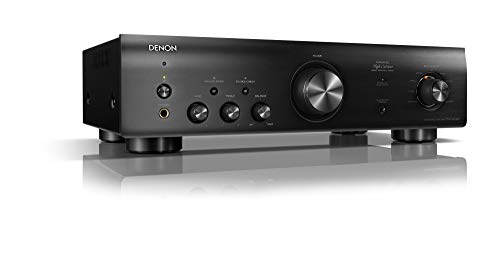
- Built-in DAC with optical, coaxial, and phono inputs
- Analog Mode can disable digital circuits for cleaner playback
- 70W x 2 power with Bluetooth and solid build quality
Best For: Buyers who want an integrated stereo amp with DAC versatility
Wireless DAC Upgrade
1Mii DS200Pro HiFi Bluetooth Receiver
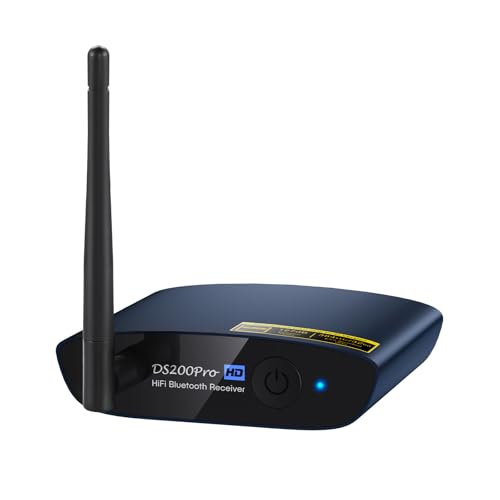
- ESS SABRE DAC and LDAC support for improved wireless audio
- Bluetooth 5.3 with class 1 long-range design and antenna
- RCA and optical outputs work with many stereo systems
Best For: Owners of older stereos who want wireless streaming and DAC upgrade
Feature-Packed DAC Amp
Jyker Hi-Fi DAC Stereo Amplifier
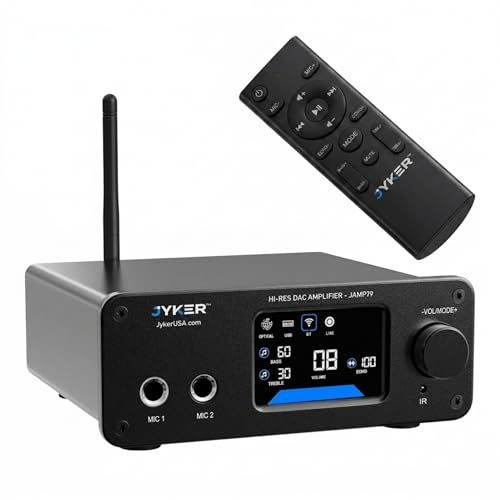
- ES9023 192kHz/24-bit DAC for detailed audio
- Bluetooth 5.2 plus optical, USB, RCA, and sub output
- Mic inputs and tone controls add karaoke and party flexibility
Best For: Buyers who want a compact amp with DAC and broad connectivity
Flagship Balanced DAC
Fosi Audio ZD3 Desktop DAC Preamp

- Fully balanced DAC preamp with XLR/RCA outputs
- Bluetooth, USB, optical, coaxial, and HDMI ARC inputs
- OLED display, remote, preamp bypass, and trigger support
Best For: compact home stereo setups needing broad digital connectivity
Multi-Source Stereo Receiver

- Bluetooth 5.3, USB, optical, coaxial, RCA, AUX, and FM inputs
- 4-channel output with independent control for multiple speaker groups
- Dual mic jacks, echo, and talkover for karaoke use
Best For: multi-source home audio and karaoke setups
All-in-One Hi-Res Amp
AIYIMA A80 Bluetooth Stereo Amplifier DAC

- ESS9038Q2M DAC paired with TPA3255 amplification
- Bluetooth, USB, optical, coaxial, and TRS balanced inputs
- Pre-out, sub pre-out, 12V trigger, and remote included
Best For: compact hi-fi systems that need DAC and amplifier in one
Compact Desktop DAC – Fosi Audio Q6 Mini Desktop DAC
If you want one of the more flexible standalone DACs for home stereo systems, the Fosi Audio Q6 is built for compact setups that still need broad digital input support. It works with streamers, CD players, computers, TVs, and tablets, and its RCA plus sub-out connections make it easy to drop into a simple two-channel system.
Best For: Anyone who wants a small, plug-and-play DAC for a home stereo, desktop, or powered speaker setup with multiple digital sources.
Pros:
- Supports Optical, Coaxial, and USB inputs for flexible source matching.
- Uses AKM AK4493S, XMOS XU316, and OPA1612 for high-resolution playback up to PCM 32bit/768kHz and DSD512.
- Includes RCA output and sub-out for easy integration with amplifiers or speaker systems.
- Metal aluminum alloy enclosure gives it a compact, solid desktop footprint.
Cons:
- Built as a two-channel stereo DAC, so it is not a multiroom or surround solution.
- Designed for wired connectivity only, with no wireless streaming features.
The Q6 is a straightforward pick if you want a small external DAC that still offers serious specs and easy home-audio compatibility. It fits best where space matters but clean digital-to-analog conversion matters more.
Wireless Stereo Upgrade – Auris Blume HD Bluetooth Receiver
The Auris Blume HD is a practical choice among standalone DACs for home stereo systems if your main goal is adding high-quality Bluetooth streaming to an existing amplifier or receiver. It pairs Bluetooth 5.3 with LDAC, aptX HD, aptX Low Latency, and AAC support, while also offering both analog RCA and digital optical outputs.
Best For: Upgrading a home stereo with long-range Bluetooth streaming and high-quality wireless playback.
Pros:
- Bluetooth 5.3 with LDAC, aptX HD, aptX Low Latency, and AAC support.
- Built-in 384kHz/32-bit DAC for high-resolution decoding.
- Long-range wireless design with claimed 100+ foot coverage.
- RCA and optical outputs improve compatibility with stereo gear.
Cons:
- Focused on wireless receiving rather than being a general-purpose wired DAC.
- Best value depends on how much you need Bluetooth rather than source switching.
If your stereo already sounds good and just needs better wireless streaming, the Blume HD is an easy way to modernize it. Its value comes from codec support, usable range, and simple integration with existing home audio systems.
DAC Amp with EQ – TOPPING DX1 II Desktop Audio Decoder
The TOPPING DX1 II is a strong fit if you want one of the more versatile standalone DACs for home stereo systems and headphones in a single desktop unit. It combines a high-resolution USB DAC, optical I/O, balanced and single-ended headphone outputs, and a 10-band PEQ DSP for careful sound shaping.
Best For: Listeners who want a desktop DAC, headphone amp, and digital EQ tool in one compact device.
Pros:
- ESS ES9039Q2M DAC with XMOS XU316 support for PCM up to 384kHz and DSD256.
- 4.4mm balanced and 3.5mm outputs with up to 1000mW x2 power.
- 10-band parametric EQ lets you tune left and right channels independently.
- Optical input and output support connection to TVs, streamers, consoles, and active speakers.
Cons:
- Geared heavily toward desktop and headphone use rather than a simple line-level DAC.
- The EQ features may be more than some home stereo buyers need.
For buyers who want more control than a basic DAC, the DX1 II stands out with its PEQ software and broad output options. It is especially appealing if you also plan to use it for headphones or gaming.
Hi-Res Bluetooth Receiver – 1Mii DS220 Stereo Adapter
The 1Mii DS220 is a practical addition to standalone DACs for home stereo systems when you want reliable Bluetooth streaming without replacing your existing gear. It supports LDAC and aptX HD, includes a built-in audiophile DAC, and gives you optical, coaxial, and RCA outputs for flexible system matching.
Best For: Home listeners who want a Bluetooth receiver with multiple outputs and easy EQ presets.
Pros:
- LDAC and aptX HD support for higher-quality wireless audio.
- Optical, coaxial, and RCA outputs work with modern and legacy stereo equipment.
- Bluetooth 5.3 with dual antennas is rated for stable streaming up to 100 feet.
- OLED display and 7 EQ modes make everyday use simple.
Cons:
- Designed mainly as a Bluetooth receiver rather than a full-featured wired DAC.
- Automatic shutdown after 30 minutes when unused may not suit every setup.
The DS220 is a solid fit if your priority is adding wireless convenience to a stereo system while keeping output options open. Its combination of hi-res codec support, display feedback, and EQ presets makes it easy to live with.
Integrated Analog-Digital Amp – Denon PMA-600NE Bluetooth Stereo Amplifier
If you want standalone DACs for home stereo systems but also need an all-in-one amplifier, the Denon PMA-600NE is a practical pick. It combines a built-in DAC, Bluetooth, and multiple digital and analog inputs, while also offering an Analog Mode that can shut off digital circuits for a more direct listening path.
Best For: Listeners who want a stereo amplifier with built-in DAC flexibility, Bluetooth convenience, and an analog-first mode.
Pros:
- Built-in DAC with 2 optical and 1 coaxial input for digital sources
- Analog Mode can disengage digital circuits and turn off Bluetooth
- 70W x 2 power output and Advanced Ultra High Current design for clean playback
- Also includes phono input for turntable use
Cons:
- As an integrated amp, it is not a standalone DAC-only box
- Bluetooth is useful, but some buyers may prefer a separate dedicated DAC
The PMA-600NE is a strong choice if you want one component that covers both amplification and DAC duties. Its real advantage is flexibility: you can keep things simple with wireless streaming or focus on wired inputs and analog listening when that matters most.
Wireless DAC Upgrade – 1Mii DS200Pro HiFi Bluetooth Receiver
The 1Mii DS200Pro is a compact way to add standalone DACs for home stereo systems-style digital conversion to an existing setup without replacing your amplifier. It turns a traditional stereo into a wireless audio system, using Bluetooth 5.3, LDAC decoding, and a built-in ESS SABRE DAC to improve clarity from a phone, tablet, or PC.
Best For: Updating an older home stereo with wireless streaming and a built-in DAC.
Pros:
- Built-in ESS SABRE DAC for clearer sound and lower distortion
- LDAC support and Bluetooth 5.3 for higher-quality wireless playback
- RCA and optical outputs fit many amplifiers, receivers, and powered speakers
- Class 1 long-range design with external antenna for stronger coverage
Cons:
- It is a receiver, not an amplifier, so it cannot drive passive speakers directly
- Best value depends on whether your system already has good analog inputs
This is a smart add-on for systems that only need a better wireless source and DAC stage. If your home stereo already has amplification, the DS200Pro focuses on the conversion and streaming side rather than trying to replace the rest of the system.
Feature-Packed DAC Amp – Jyker Hi-Fi DAC Stereo Amplifier
For shoppers comparing standalone DACs for home stereo systems with an all-in-one amp, the Jyker hi-fi stereo amplifier brings a lot of features into one box. It uses an ES9023 192kHz/24-bit DAC, Bluetooth 5.2, and multiple inputs and outputs, making it useful for modern music, TV audio, and even karaoke setups.
Best For: Users who want a compact stereo amplifier with a built-in high-resolution DAC and lots of connectivity.
Pros:
- ES9023 DAC supports 192kHz/24-bit playback for added detail
- Bluetooth 5.2 with a colored LCD for simple status and control
- Optical, USB, RCA, AUX out, and subwoofer output expand system options
- Dual mic inputs, echo control, and bass/treble adjustment add versatility
Cons:
- It is a feature-heavy amplifier, so it is not a dedicated DAC-only component
- Peak power claims depend on the power supply and setup used
The Jyker is best for buyers who want more than basic digital conversion. It combines DAC, amplifier, and input flexibility in a single compact unit, which can simplify a home stereo while still leaving room for TV audio, streaming, and karaoke use.
Flagship Balanced DAC – Fosi Audio ZD3 Desktop DAC Preamp
If you want standalone DACs for home stereo systems with lots of modern connectivity, the Fosi Audio ZD3 is built to be a flexible hub. It combines a balanced DAC preamp, HDMI ARC support, and both XLR and RCA outputs, so it can slot into a TV, desktop, or integrated stereo setup without feeling limited.
Best For: Users who want a compact, fully balanced DAC preamp with HDMI ARC and broad input support.
Pros:
- Fully balanced design with XLR and RCA outputs for more system flexibility.
- Supports Bluetooth, USB, optical, coaxial, and HDMI ARC inputs.
- High-resolution playback capability with DSD512 and PCM 32bit/768kHz support.
- Includes OLED display, remote control, preamp bypass, and 12V trigger in/out.
Cons:
- It is a DAC preamp, so you still need a separate amplifier for passive speakers.
- Best fit for users who will use several of its advanced connection options.
The ZD3 stands out when you want one compact component to handle many source types cleanly. For home stereo systems that need balance, convenience, and TV integration, it offers a strong feature set in a small footprint.
Multi-Source Stereo Receiver – Donner Home Audio Amplifier
For shoppers comparing standalone DACs for home stereo systems, the Donner stereo receiver is more of an all-in-one amplifier with built-in digital inputs. It is designed for users who want a single box that can accept Bluetooth, USB, optical, coaxial, RCA, and FM sources while also driving multiple speakers.
Best For: Buyers who want a feature-packed stereo receiver for multi-room or karaoke-style home audio.
Pros:
- Supports Bluetooth 5.3, USB, optical, coaxial, RCA, AUX, FM, and dual mic inputs.
- 4-channel design with independent control and support for multiple speaker groups.
- Remote allows treble, midrange, bass, echo, and talkover adjustments in any mode.
- Built-in karaoke-friendly features including dual microphone jacks and echo control.
Cons:
- No HDMI input, so it is not the best choice for direct TV-ARC integration.
- It is aimed at receiver-style use, not a dedicated standalone DAC component.
This model makes sense if your priority is versatility over purist DAC features. It is best viewed as a practical home audio control center that can handle music, TV audio, and karaoke duties from one unit.
All-in-One Hi-Res Amp – AIYIMA A80 Bluetooth Stereo Amplifier DAC
If you are looking at standalone DACs for home stereo systems but want amplifier power included, the AIYIMA A80 is a strong all-in-one option. It combines an ESS9038Q2M DAC, TPA3255 amplification, and a broad set of inputs, making it a practical choice for compact hi-fi setups.
Best For: Listeners who want a compact DAC amplifier with balanced input support and high-power stereo output.
Pros:
- Combines ESS9038Q2M DAC and TPA3255 Class D amplification in one unit.
- Supports Bluetooth, USB, optical, coaxial, and TRS balanced inputs.
- Includes PFFB technology, digital VU meter, and remote control.
- Offers pre-out, sub pre-out, 12V trigger support, and flexible 2.0/2.1 use.
Cons:
- As an integrated amp, it is not a pure DAC-only solution.
- Its feature set is best suited to users who want a full component rather than a minimalist box.
The A80 is a good fit when you want digital-to-analog conversion and speaker power together in one compact chassis. Its balanced inputs and trigger support make it especially useful for modern home audio systems that need flexibility.
How We Picked the Best Standalone DACs for Home Stereo Systems
We prioritized sound quality, input and output flexibility, build quality, and how well each unit fits real home audio setups. For Standalone DACs for Home Stereo Systems, the most important factors are useful digital inputs, low-noise performance, and the ability to connect cleanly to an amplifier or powered speakers.
Quick Comparison
Think of these products in three broad groups: true DACs for users who already own an amplifier, Bluetooth DAC receivers for convenient wireless streaming, and DAC-equipped stereo amps for people who want an all-in-one upgrade. Matching the product type to your system matters more than chasing the highest specs on paper.
Key Buying Factors for Standalone DACs for Home Stereo Systems
Inputs and Source Compatibility
Check whether you need USB for a computer, optical for a TV or streamer, coaxial for certain CD players or transports, or Bluetooth for casual wireless playback. The best setup is the one that supports your main listening sources without extra adapters.
Outputs and System Matching
Most home stereo DACs feed an integrated amp, power amp, or active speakers through RCA, while balanced outputs can be useful in some higher-end systems. Make sure output voltage and gain fit the rest of your chain.
Noise, Resolution, and Ease of Use
Higher-resolution support is nice, but stable operation and low noise usually matter more in daily listening. Simple controls, auto-switching inputs, and clear indicator lights can make a DAC much easier to live with.
When Bluetooth Is Worth It
Bluetooth DAC receivers are best for convenience and flexible placement. If you care most about the cleanest signal path, a wired DAC is usually the better choice, but modern LDAC and aptX HD models can still sound very good.
Who Should Buy Which Standalone DACs for Home Stereo Systems?
If you already have a good amplifier, choose a dedicated DAC for the cleanest upgrade. If you want streaming convenience, pick a Bluetooth DAC receiver. If you need a full system refresh, a DAC amplifier or integrated stereo amp may deliver better overall value than a separate box. The right choice depends on whether you are improving one link in the chain or replacing several at once.