Bluetooth headphones can make a studio setup more convenient, but wireless convenience does not automatically mean reliable monitoring. Latency, connection options, and fit matter just as much as sound quality when you are recording or editing.
This roundup covers six selected listings across three distinct models, from DJ-focused headphones to travel-friendly over-ears. Here is how to choose the right setup for your work.
Best 6 Bluetooth Studio Headphones Picks for 2026
Low-Latency DJ Pick

- 2.4G, Bluetooth 6.0 and wired modes
- Built-in 3.5 mm and 6.35 mm jacks
- Up to 120 hours claimed battery life
Best For: DJs switching between wireless and wired monitoring
Lightweight Practice Pick

- LDAC, AAC and SBC support
- Included 3.5 mm/6.35 mm coiled cable
- About 270 g; up to 72 hours playback
Best For: Home practice and everyday wireless listening
Travel-Friendly ANC Pick

- ANC and Transparency mode
- USB-C lossless and 3.5 mm wired options
- Up to 40 hours battery life
Best For: Travel and commuting with optional wired listening
Sandstone Pick

- Sandstone over-ear design
- ANC and Transparency mode
- USB-C lossless and 3.5 mm options
Best For: Commuters seeking a lighter finish and flexible listening options
Classic Black Pick
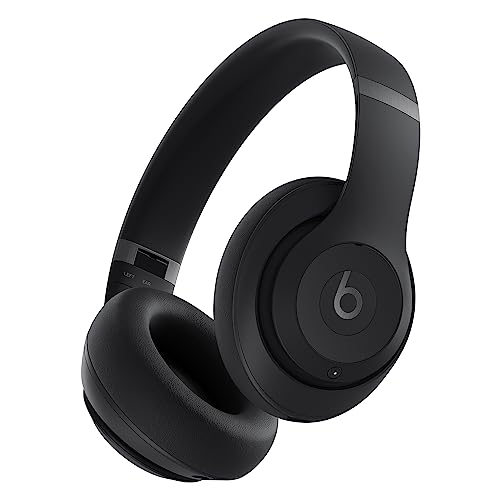
- Black over-ear design
- ANC and clear-call microphones
- Up to 40 hours of battery life
Best For: Everyday listeners who prefer a black finish
Deep Brown Pick
Beats Studio Pro in Deep Brown
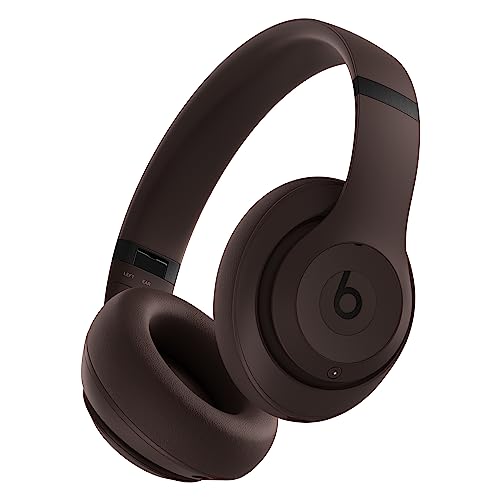
- Deep Brown over-ear design
- Up to 40 hours of battery life
- USB-C and 3.5 mm wired audio
Best For: Travelers who prefer a Deep Brown finish
Low-Latency DJ Pick – OneOdio Studio Max 2
Among bluetooth studio headphones, the OneOdio Studio Max 2 is aimed at DJs and creators who want wireless flexibility alongside direct mixer connections. Its claimed 9 ms response time comes from proprietary RapidWill+ 3.0 technology; the supplied specifications do not establish that figure for ordinary Bluetooth use.
Best For: DJs and editors who want low-latency wireless monitoring options plus wired connections.
Pros:
- Offers 2.4G wireless, Bluetooth 6.0 and wired listening modes.
- Built-in 3.5 mm and 6.35 mm jacks simplify mixer and instrument connections.
- Supports LDAC and claims up to 120 hours of wireless battery life.
- Includes swivel earcups, memory-foam cushions and a carrying case.
Cons:
- At 350 g, it is heavier than the A70 Gen 2 in this roundup.
- Lists passive isolation rather than active noise cancellation.
The combination of multiple connection modes and dual jacks makes this the most flexible option here for switching between a DJ setup and wireless listening. For timing-critical work, check which mode delivers the advertised latency.
Lightweight Practice Pick – OneOdio A70 Gen 2
OneOdio A70 Gen 2 Bluetooth and Wired Over-Ear Headphones with Hi-Res LDAC (Black)
Check Price On AmazonThe OneOdio A70 Gen 2 suits shoppers comparing bluetooth studio headphones for everyday listening and occasional wired practice. It pairs Bluetooth 6.0 and LDAC support with a supplied 3 m coiled cable for connecting to compatible music equipment.
Best For: Home practice, casual editing and listeners who also want portable wireless headphones.
Pros:
- 40 mm drivers support LDAC, AAC and SBC decoding.
- Included 3.5 mm/6.35 mm cable connects to compatible controllers, amps and other devices.
- Weighs about 270 g and offers up to 72 hours of Bluetooth playback.
- Built-in microphone supports calls and online meetings.
Cons:
- Uses passive noise isolation, not active noise cancellation.
- No specific low-latency wireless figure is provided; use the cable when timing matters.
This is a practical middle ground if you want one pair for music, calls and instrument practice. Its wired option is the more appropriate choice for real-time monitoring.
Travel-Friendly ANC Pick – Beats Studio Pro
The Beats Studio Pro takes a different approach to bluetooth studio headphones: it prioritizes comfortable everyday listening, calls and travel. Active noise cancellation, Transparency mode and easy pairing with Apple and Android devices make it useful away from a dedicated music setup.
Best For: Commuters and frequent travelers who want wireless listening with optional wired audio.
Pros:
- Offers active noise cancellation and a Transparency mode.
- Supports USB-C lossless audio and includes a 3.5 mm analog audio cable.
- Provides up to 40 hours of battery life, with up to 4 hours from a 10-minute charge.
- Includes voice-targeting microphones and a travel carrying case.
Cons:
- No 6.35 mm connection or DJ-focused cable is listed.
- No wireless monitoring latency specification is provided.
Choose this model for noise control and device convenience rather than specialized DJ connectivity. USB-C lossless and analog cable options are useful, but they do not make the Bluetooth connection lossless.
Sandstone Pick – Beats Studio Pro in Sandstone
If you want bluetooth studio headphones in a lighter Sandstone finish, the Beats Studio Pro combines over-ear listening with active noise cancelling and a Transparency mode for travel or work.
Best For: Commuters who want a lighter-colored finish and the option to listen wirelessly or by cable.
Pros:
- Up to 40 hours of battery life; a 10-minute charge provides up to 4 hours of playback.
- Supports USB-C lossless audio and includes a 3.5 mm cable for analog listening.
- One-touch pairing with Apple and Android devices.
Cons:
- Lossless audio requires a USB-C connection rather than Bluetooth.
- The Sandstone finish may not suit buyers who prefer darker headphones.
Choose this version for its Sandstone look, not a different feature set: the supplied specifications match the other Studio Pro colors here.
Classic Black Pick – Beats Studio Pro in Black
For shoppers comparing bluetooth studio headphones for everyday use, the Black Beats Studio Pro offers active noise cancelling, over-ear cushions, and a familiar dark finish.
Best For: Listeners who prefer a black finish for commuting, calls, and extended listening.
Pros:
- ANC helps reduce distractions, while Transparency mode lets environmental sound in.
- Voice-targeting microphones help reduce background noise during calls.
- Up to 40 hours of battery life, with up to 4 hours from a 10-minute charge.
Cons:
- USB-C lossless listening requires a cable.
- The Black finish offers no stated performance advantage over the other colors listed here.
This is the straightforward color choice if you want the listed Studio Pro features without choosing Sandstone or Deep Brown.
Deep Brown Pick – Beats Studio Pro in Deep Brown
The Deep Brown Beats Studio Pro gives buyers seeking bluetooth studio headphones a warmer-looking alternative with the same listed ANC, wireless connectivity, and wired listening options as the other colors in this roundup.
Best For: Travelers who want a Deep Brown finish, long battery life, and a choice of wireless or wired audio.
Pros:
- Up to 40 hours of battery life suits longer stretches between charges.
- USB-C lossless audio and an included 3.5 mm cable offer two wired options.
- Includes a woven carrying case for travel.
Cons:
- USB-C lossless audio is a wired feature, not a Bluetooth feature.
- No distinct audio or battery advantage over the other supplied Studio Pro colors.
Pick Deep Brown if its appearance appeals to you; the supplied notes describe the same core capabilities across all three versions.
How We Picked the Best Bluetooth Studio Headphones
We focused on the features that affect real studio use: whether headphones offer a practical wired connection, how they handle wireless delay, which Bluetooth codecs they support, and whether their design suits long sessions. We also considered everyday needs such as battery life and noise cancellation. The six selected listings represent three distinct models; four are listings for the Beats Studio Pro, so they should not be mistaken for four different headphones.
Specifications can point you toward a shortlist, but they cannot establish monitoring accuracy or comfort on your head. Check connection requirements and return terms before buying, especially if the headphones will be part of a recording workflow.
Quick Comparison: Bluetooth Studio Headphones
- OneOdio Studio Max 2: The most directly DJ-oriented option here. Its advertised 9 ms low-latency mode is worth considering if wireless responsiveness is a priority; confirm the required connection method for your equipment.
- OneOdio A70 Gen 2: A Bluetooth-and-wired choice for listeners who want flexibility. Its LDAC support is most relevant when paired with a compatible device.
- Beats Studio Pro: A convenience-focused pick for commuting and general listening, with active noise cancellation and an advertised battery life of up to 40 hours. Its four listings do not expand the range of models compared.
Key Buying Factors for Bluetooth Studio Headphones
Latency and Connection Type
Bluetooth delay can be distracting when tracking vocals, playing an instrument, or cueing against a live signal. For those jobs, a wired connection is generally the safer starting point. If a headphone advertises a low-latency mode, verify what transmitter, adapter, or source it needs; a quoted latency figure may not apply to ordinary Bluetooth pairing.
Codecs and Device Compatibility
LDAC and other codecs only help when both the headphones and source support them. They do not, by themselves, guarantee neutral sound or low enough delay for recording. Check your phone, computer, or audio interface rather than choosing on a codec label alone.
Fit, Isolation, and Monitoring Goals
Look for stable fit, comfortable pads, and enough isolation for your room. Active noise cancellation is useful on a commute, but it is not a substitute for judging a mix in a familiar monitoring environment. If accurate mixing is your main goal, plan to check your work on trusted wired monitors or headphones as well.
Who Should Buy Which Bluetooth Studio Headphones?
Choose the Studio Max 2 if DJ use and a compatible low-latency setup are your priorities. Pick the A70 Gen 2 if switching between Bluetooth listening and a wired connection matters most. Consider the Beats Studio Pro if travel features, noise cancellation, and battery life are more important than a studio-first feature set. For critical recording, prioritize whichever option works reliably wired with your gear.